You’ve been crocheting for a few months now, and something’s off. Your stitches look uneven. Your edges are wavy. And no matter how many tutorials you watch, that tension just won’t cooperate. If this sounds familiar, you’re not alone.
I’ve been training beginner crocheters for over five years, and I keep seeing the same five mistakes pop up again and again. The good news? Every single one of them is fixable with a few small adjustments. Let’s get into it.
Mistake #1: The Way You Hold Your Hook and Yarn
This is the big one. The mistake that causes more frustration than anything else.
Here’s what I see beginners do: they grip the hook like it’s a pencil, holding it way up near the top. Their hand is tense, their fingers are cramped, and every stitch feels like a struggle. The yarn gets wrapped around their fingers in a way that either strangles the thread or lets it slip completely.
The problem isn’t that there’s one “right” way to hold your hook. There’s no single correct grip. What matters is that your grip works for you — that it feels natural and doesn’t cause strain.
But here’s where beginners go wrong: they hold the hook too high, forcing their hand into an awkward angle. Your hand should rest in a relaxed position, almost like you’re holding a spoon. Your thumb and index finger should guide the hook, not death-grip it.
The same goes for your yarn hand. Your left hand (if you’re right-handed) should hold the yarn with a gentle tension — not so loose that it slides, and not so tight that you can’t pull through. The yarn should sit across your palm, wrapped around your pinky or ring finger, then up over your index finger. That finger controls the tension.
When you get this right, your stitches will start looking more even immediately. Your hands won’t tire as quickly. And you’ll actually enjoy the process instead of fighting it.
Mistake #2: Working Into the Wrong Loop
This one drives me crazy because it’s so easy to fix once you know what to look for.
When you finish a stitch, you see a little V shape at the top. That V is made of two loops — the front loop and the back loop. Most patterns tell you to work under both loops, meaning you insert your hook under the entire V.
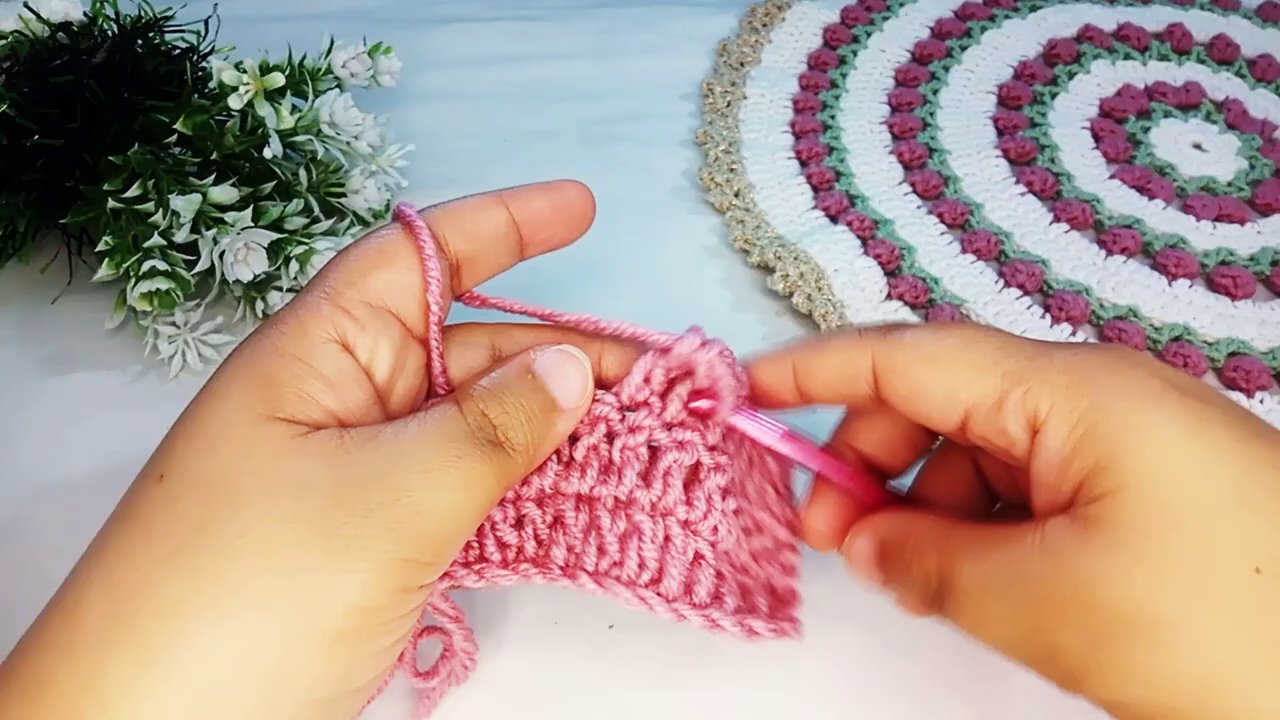
But here’s what happens: beginners often insert their hook into the space between the V shapes, or they accidentally grab only the front loop or back loop without meaning to. This creates gaps in your work. Your fabric ends up looking uneven, with some rows tighter than others.
The trick is to pay attention to where your hook is actually going. Slow down. Look at the top of your stitch. Make sure your hook goes under both strands of that V. If you’re following a pattern that specifically calls for front loop only or back loop only, great — but make that choice deliberately, not accidentally.
Mistake #3: Yarn Over Confusion
This is where things get technical, but stick with me.
Every basic crochet stitch involves a yarn over — wrapping the yarn over your hook before pulling through. The problem is that beginners often do their yarn over incorrectly, and it throws off the entire stitch.
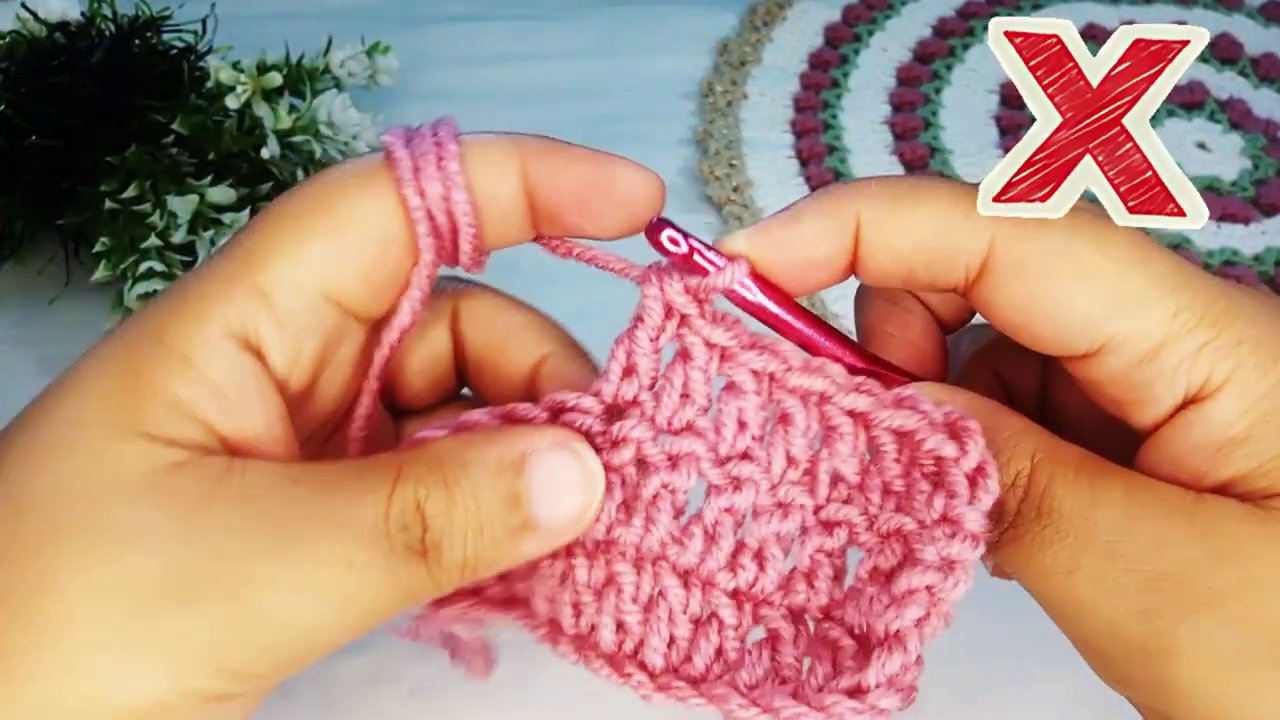
Here’s the issue: when you yarn over, the yarn should wrap from back to front, over the hook. But many beginners bring the yarn from the front, or they wrap it in the wrong direction. This twists the yarn and creates a stitch that’s harder to pull through.
The result? Your stitches look twisted. Your tension gets inconsistent. And you end up with a fabric that doesn’t lie flat.
The fix is simple: practice the motion slowly. Yarn over from back to front. Keep the yarn on the hook, not wrapped around it multiple times. And make sure the loop stays loose enough to slide off when you pull through.
Mistake #4: The Golden Loop Technique
I call this one the “golden loop” because once you master it, everything changes.
When you finish a stitch and move to the next one, there’s a moment where you have one loop on your hook. That loop is the beginning of your next stitch. How you handle that loop determines whether your stitches are even or uneven.
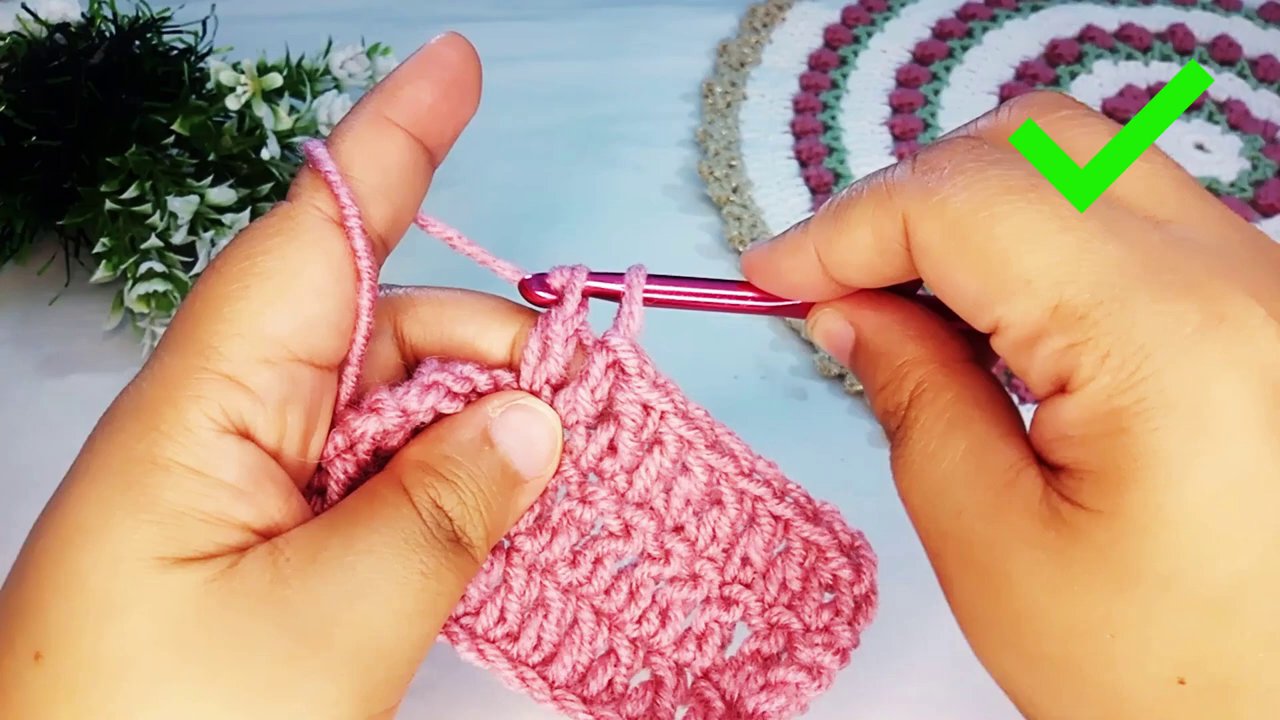
Here’s what beginners do wrong: they tighten that loop too much. They pull it snug against the hook, thinking it needs to be tight. But that makes the next stitch hard to work into. The hook can’t slide through easily.
Or they leave it too loose, and the stitch becomes sloppy.
The golden loop should be just loose enough that your hook slides through smoothly, but not so loose that there’s a visible gap. It takes practice to find that sweet spot, but once you do, your rows will be dramatically more even.
Here’s a trick: after you complete a stitch, don’t pull the loop tight. Leave it relaxed. Then when you yarn over for the next stitch, the loop will naturally be at the right tension.
Mistake #5: Ignoring Your Tension
Tension is everything in crochet. It’s the difference between a professional-looking project and something that looks like it was made by a toddler.
But here’s the thing: tension isn’t about gripping the yarn tighter. That’s the most common mistake. Beginners think that tight tension means even stitches. But tight tension actually makes your stitches smaller and harder to work with. It creates a stiff fabric that doesn’t drape well.
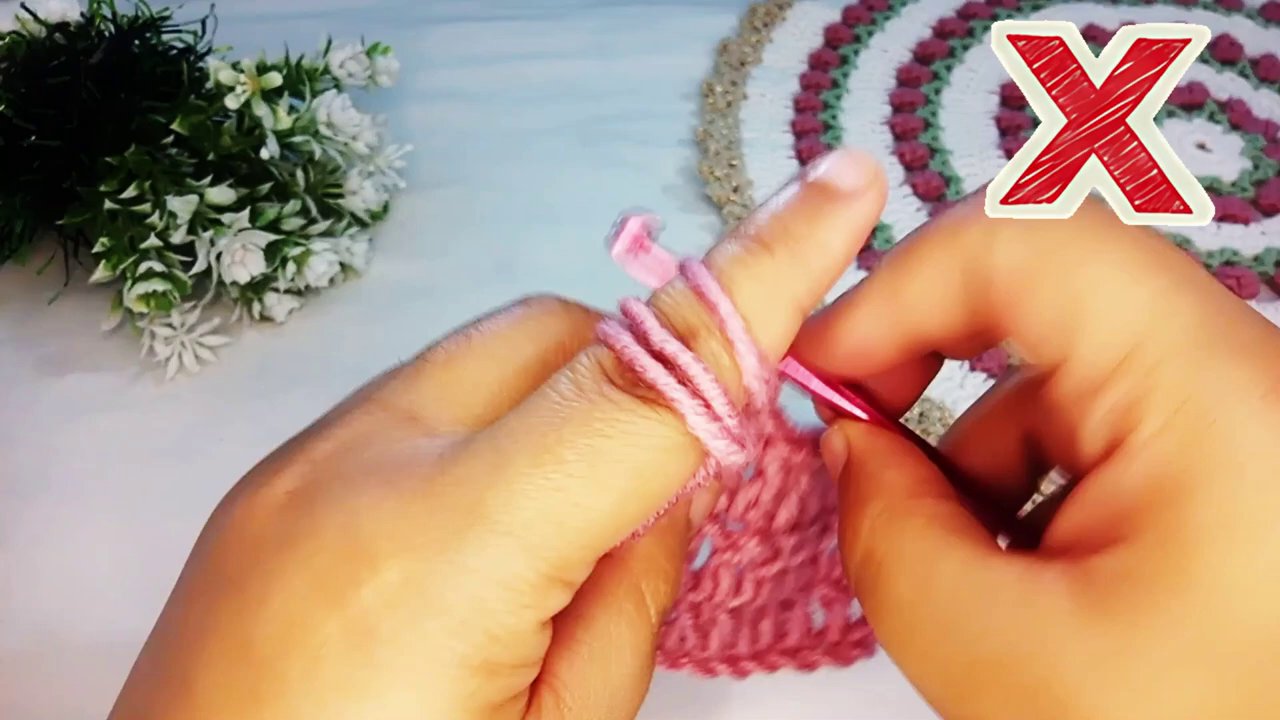
The real secret to good tension is consistency. It doesn’t matter if your tension is on the loose side or the tight side — what matters is that it stays the same throughout your project.
If you find your tension changing as you go, try this: pause every few rows and check your work. Are the stitches getting smaller? Are they getting bigger? If you notice a change, adjust your grip. Relax your hand. Take a break if you need to.
And here’s a pro tip: the way you hold your yarn affects your tension more than anything else. If your yarn is wrapped around your fingers in a way that creates inconsistent drag, you’ll never get even tension. Experiment with different yarn holds until you find one that feels natural and gives you consistent results.
Putting It All Together
These five mistakes are the most common ones I see in beginners. But here’s the thing: they’re also the easiest to fix.
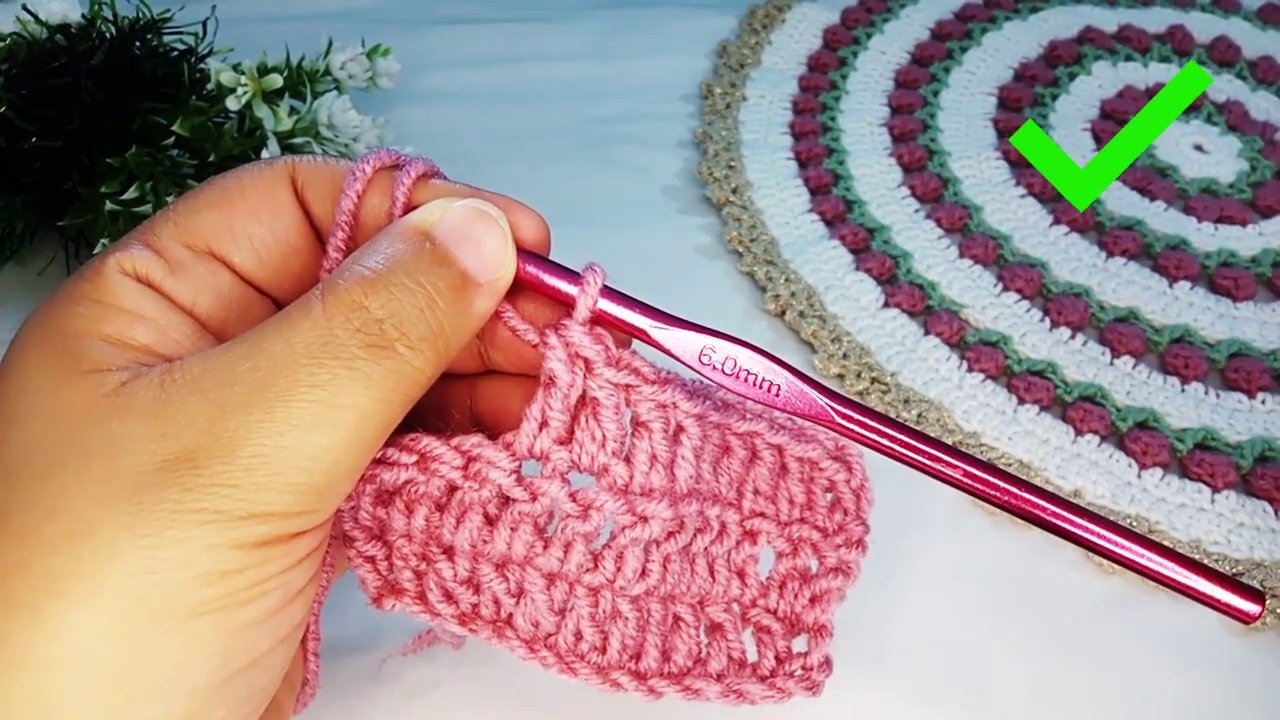
Start with your grip. Make sure you’re holding your hook and yarn in a way that feels comfortable and gives you control. Then check your stitches — are you working into the right loops? Is your yarn over correct? Is your golden loop at the right tension?
And finally, pay attention to your tension. Don’t grip tighter. Just be consistent.
If you’re working on a project and things aren’t coming out right, go back to these basics. Fix your grip. Check your loops. Adjust your tension. Nine times out of ten, that’s all it takes.
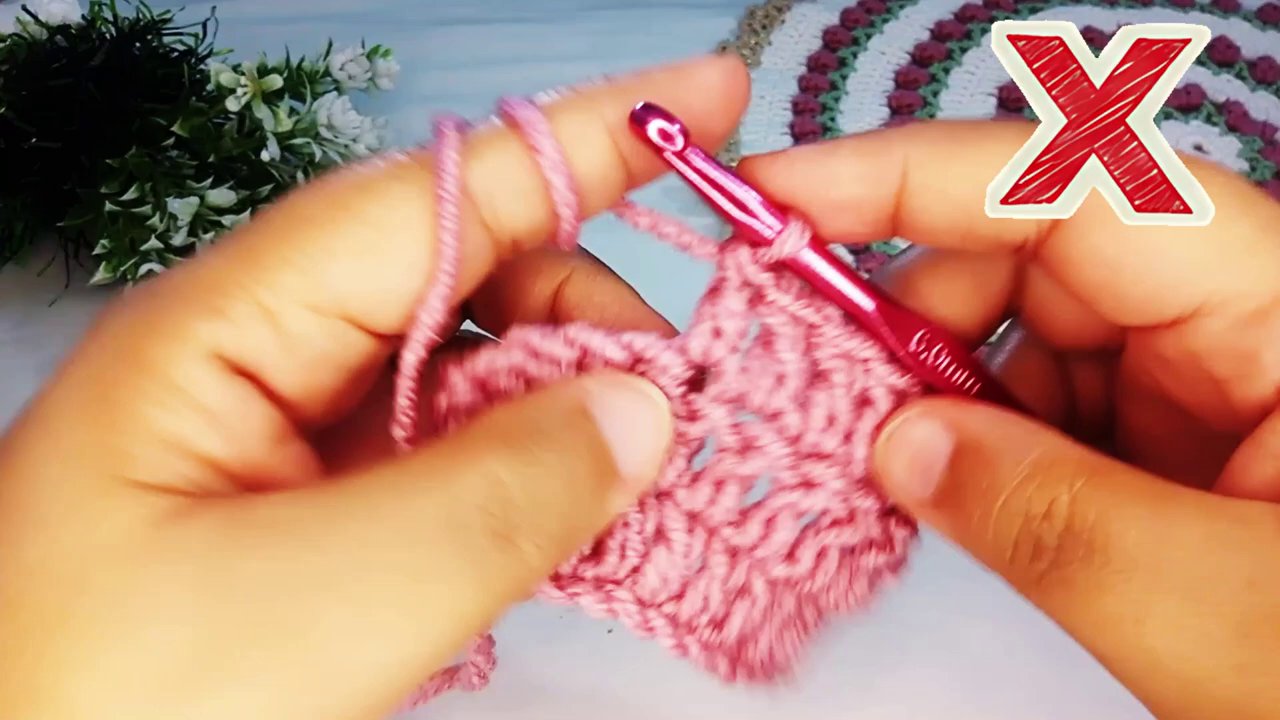
Crochet is supposed to be relaxing. It’s supposed to be fun. When you get these fundamentals right, everything else falls into place. Your stitches look better. Your projects come out the way you imagined. And you actually enjoy the process.
So take a deep breath. Relax your hands. And start stitching. You’ve got this.