If that sounds familiar, you’re in the right place. I’m Aditi, your crochet sister, and this is the first episode of Crochet Diaries — a series built specifically for beginners navigating the Indian market. I started crocheting in 2023, and today I run a small but profitable crochet business. The knowledge I’m sharing here is the kind I wish someone had handed me on day one.
Let’s talk about yarn.
Why Yarn Selection Matters More Than You Think
Your first crochet project lives or dies by the yarn you choose. It’s not just about color or softness — the wrong yarn can make learning genuinely frustrating. As a beginner, you need to pay attention to three things: yarn type, yarn size, and yarn color. Yes, color matters too, and I’ll explain why.
Yarn comes in all sorts of textures — smooth, fuzzy, fluffy, bumpy. You’ll see gorgeous plushies made with furry yarn, like the one I made that looks like a little cloud. But here’s the truth: do not start with textured or furry yarn. When you’re learning, you need to see your stitches clearly. Furry yarn hides everything. You end up crocheting by muscle memory alone, guessing where your hook should go. That’s overwhelming even for someone with experience. For a beginner, it’s a fast track to giving up.
Stick with smooth, light-colored yarns. You want to see each V-shaped stitch clearly. That visibility is what builds your confidence and muscle memory the right way.
The Best Yarn for Beginners in India
This is where things get practical. In India, we have some fantastic options that won’t burn a hole in your pocket.
Cotton yarn is your best friend as a beginner. It’s smooth, doesn’t split easily, and holds its shape well. You can find good quality cotton yarn at local craft stores or online. Brands like Vardhaman and Lotus offer affordable options. I’ve used Vardhaman’s cotton yarn for several projects, and it’s consistently reliable. It’s great for dishcloths, coasters, bags, and even garments if you choose the right weight.
Acrylic yarn is another solid choice. It’s cheaper than cotton, comes in tons of colors, and is widely available. The catch? Some cheaper acrylics can feel a bit scratchy or pill over time. But for practice projects and amigurumi, it works beautifully. Look for brands like Orient Crafts or local unbranded skeins from your nearby yarn shop. Just run your fingers over the yarn before buying — if it feels rough, skip it.
Wool is lovely for winter wear, but it can be a bit tricky for beginners. It has more stretch, which means your tension might be all over the place at first. If you’re determined to make a scarf or beanie, go for a wool-acrylic blend. It gives you the warmth without the frustration.
What About Online Shopping?
Let’s be real — not everyone has a local yarn shop nearby. Online shopping is a lifesaver, but it comes with its own questions. Which sites are trustworthy? Will the colors match the photos?
Here’s what I’ve found works:
Amazon India has a decent selection, but you have to read reviews carefully. Look for sellers with consistent ratings and photos from actual buyers. The color can look different on your screen, so check multiple images.
Craft-specific websites like The Yarn Loft or Knit & Crochet India are more reliable. They specialize in yarn, so the quality is generally better, and the descriptions are accurate. Shipping can take a bit longer, but it’s worth the wait.
Local Facebook groups are a hidden gem. Search for “crochet supplies India” or “yarn destash India”. You’ll find people selling their extra yarn at reasonable prices. Plus, you can ask questions and get honest answers from fellow crocheters.
One pro tip: when ordering online, always buy one skein first. Test it. See how it feels in your hands and how it works up. If you love it, order more. Nothing’s worse than being stuck with ten skeins of yarn you hate.
The Right Hook Makes All the Difference
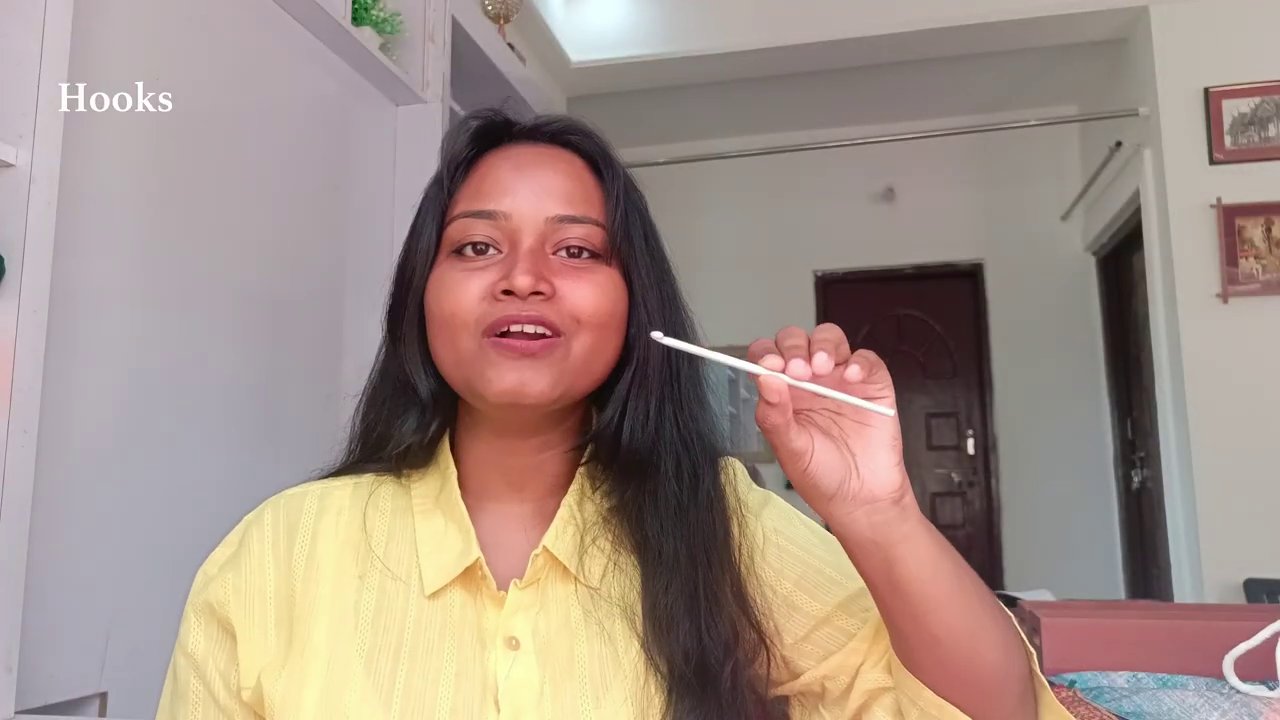
Yarn gets all the attention, but your crochet hook is equally important. For beginners, I recommend a 4mm or 5mm hook. That’s a comfortable middle ground — not too tiny to strain your hands, not too big to make loose, sloppy stitches.
You’ll find hooks in different materials: aluminum, bamboo, plastic, and ergonomic ones with rubber grips. Aluminum hooks are cheap, widely available, and slide through yarn smoothly. Bamboo hooks are warmer in the hand and quieter, but they can be slightly sticky with some yarns. Ergonomic hooks are a game-changer if you have hand pain, but they cost more.
Honestly, start with an aluminum hook. You can find a set of six for under ₹300 on Amazon or at any local stationery shop. That’s all you need to begin.
Color Matters More Than You Think
I mentioned that yarn color is important for beginners. Here’s why: dark colors make it hard to see your stitches. Black, navy, deep burgundy — they all absorb light. You’ll find yourself squinting and guessing. Stick with light, solid colors like cream, pastel pink, light blue, or mint green. These colors reflect light and let you see every single stitch clearly.
Once you’ve built some confidence, go wild with colors. But for your first few projects, keep it light.
The Indian Jugaad You Need
Now for the part you’ve been waiting for — the Indian jugaad that’ll save you money and hassle.
Use embroidery thread for practice. Yes, really. Embroidery thread is cheap, comes in every color imaginable, and is smooth enough to see your stitches. You can buy a small bundle for ₹10 at any local shop. Practice your chains, single crochets, and double crochets on that before you invest in proper yarn. It’s like using a pencil before you buy expensive paints.
Old cotton sarees and dupattas can be cut into strips and used as yarn. This is called “t-shirt yarn” in the West, but we’ve been doing it forever. Cut a saree into 1-inch strips, stretch them gently, and you have a thick, textured yarn perfect for rugs and baskets. It’s eco-friendly and basically free.
Local stationery shops often carry basic crochet hooks and acrylic yarn. Don’t overlook them. You might not find fancy brands, but you’ll find something to start with. Ask the shopkeeper — they might have a small stash hidden in a drawer.
Where to Find Free Patterns and Communities
Once you have your supplies, you need projects to practice on. YouTube is your best resource — channels like “Crochet with Aditi” (yes, that’s me) have beginner-friendly tutorials. But don’t stop there.
Pinterest is a goldmine for free patterns. Search for “beginner crochet patterns free” and you’ll find hundreds of options. Start with simple shapes — a square, a rectangle, a circle. Make coasters, dishcloths, or scarves.
Ravelry is the global crochet community. It’s free to join, and you can filter patterns by skill level, yarn weight, and project type. The forums are incredibly helpful if you get stuck.
Indian crochet groups on Facebook are warm and welcoming. People share their projects, ask for help, and sometimes even give away extra yarn. Join a few and introduce yourself. You’ll be surprised how supportive everyone is.
If you’re looking for specific projects, I’ve got a few pattern links that are perfect for beginners. Check out this Monster Keychain pattern — it’s small, quick, and teaches you the basics of working in the round. Or try these Baby Crabs for a fun amigurumi project that uses simple stitches. Both are great for building confidence without committing to a huge project.
Common Beginner Mistakes (And How to Avoid Them)
Let me save you some frustration.
Tension too tight. This is the number one mistake. Relax your hands. Your stitches should be snug but not locked. If you have to yank the hook through, you’re holding too tight.
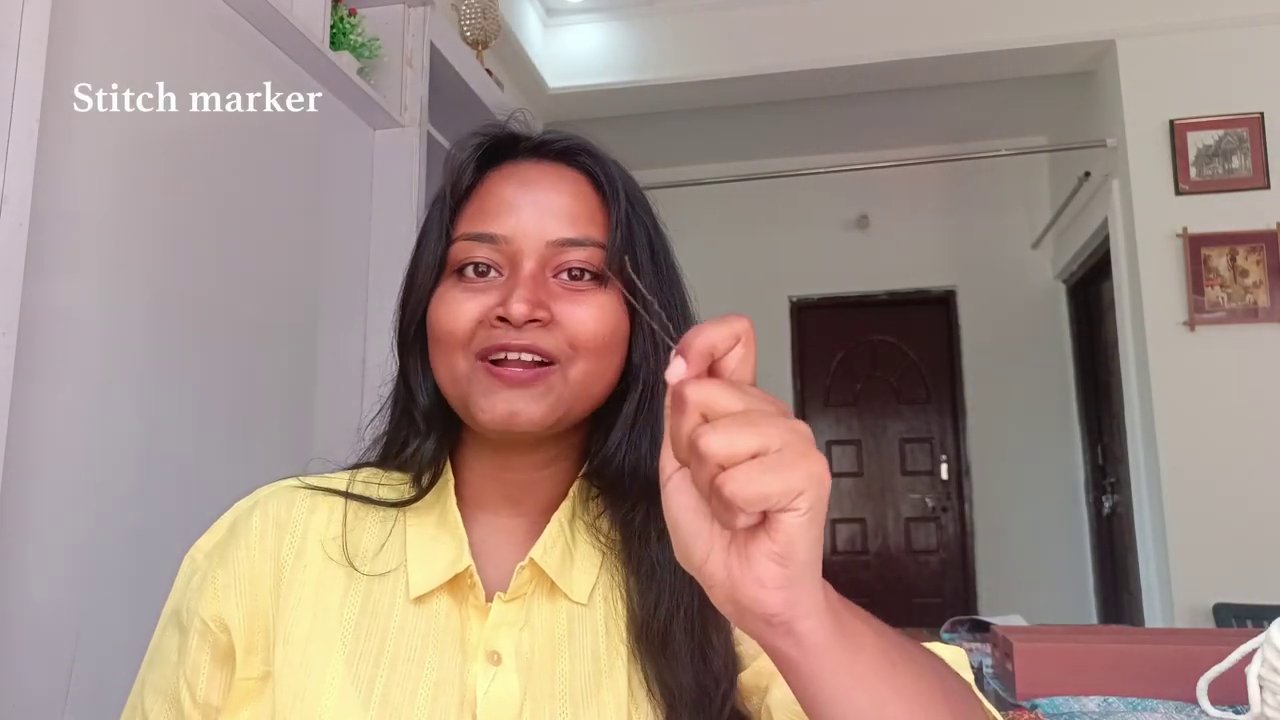
Counting stitches wrong. Use stitch markers. They cost ₹20 for a pack of 50. Place one at the beginning of each row or round. It’s a small habit that saves hours of frogging (ripping out stitches).
Skipping gauge swatches. I know, it feels like a waste of time. But making a small square before starting a garment tells you if your tension matches the pattern. A few minutes now can save you from a sweater that fits like a tent.
Giving up too soon. Your first project won’t look perfect. Mine didn’t either. My first scarf was uneven, with holes in weird places. But I finished it. And the next one was better. And the one after that was even better. Every mistake teaches you something.
Building Your Crochet Kit Without Breaking the Bank
You don’t need to buy everything at once. Here’s a starter kit that costs under ₹500:
- One 4mm or 5mm aluminum hook (₹50-100)
- Two skeins of light-colored cotton or acrylic yarn (₹200-300)
- A pack of stitch markers (₹20)
- A pair of small scissors (₹30)
- A yarn needle for weaving ends (₹20)
That’s it. Add more as you go. A tape measure, a row counter, more hooks in different sizes — those come later. Start small and build your collection based on what you actually need.
What’s Next in Your Crochet Journey
This is just the beginning. In the next episode of Crochet Diaries, we’ll talk about reading patterns, understanding yarn labels, and making your first real project. But for now, focus on getting comfortable with your hook and yarn. Practice the basic stitches — chain, single crochet, double crochet. Make a few swatches. Get the feel of it.
Remember, every expert was once a beginner who didn’t give up. You’ve got this.
Key takeaways:
- Start with smooth, light-colored yarn — cotton or acrylic works best
- Use a 4mm or 5mm aluminum hook
- Buy locally or from trusted online sellers; test one skein before bulk ordering
- Practice with cheap materials like embroidery thread or old fabric
- Join Indian crochet communities for support and free patterns
- Be patient with yourself — your first project won’t be perfect, and that’s okay