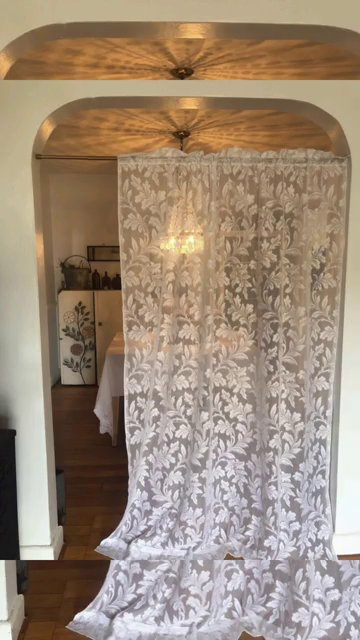
There’s something about a handcrafted window treatment that changes a room. It’s not just about blocking light or adding privacy — it’s the softness, the texture, the way the thread catches the afternoon sun. If you’ve been scrolling through store-bought curtains and feeling uninspired, it might be time to pick up a hook and make your own. Crochet curtains are simpler to create than most people think, and they bring a warmth that mass-produced fabric just can’t replicate.
Whether you want something airy for the kitchen, a vintage look for the bedroom, or a playful pop of color for a child’s room, there’s a crochet curtain pattern that fits. The best part? You can customize everything — the size, the stitch, the color, the trim. No more settling for “close enough.”
Why Crochet Curtains Work So Well in a Home
Let’s be honest — most curtains are either heavy or boring. You get thick blackout panels that feel like a cave, or cheap polyester sheers that look exactly like what they are. Crochet curtains sit in a sweet spot between those extremes. They’re lightweight but substantial. They filter light instead of blocking it, casting beautiful patterned shadows across the floor.
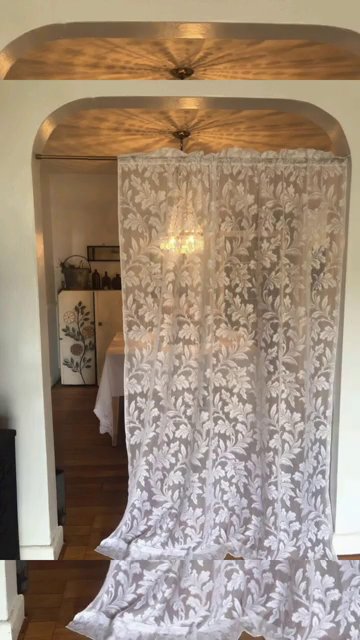
The openwork nature of crochet means air circulates easily, so you don’t feel like you’re suffocating your windows. And because you’re working with thread rather than fabric yardage, the curtains stay light enough to flutter in a breeze. That gentle movement alone makes a room feel more alive.
Another thing worth mentioning — crochet curtains are surprisingly durable. A well-made piece can last for decades. My grandmother still has a set of crochet kitchen curtains she made in the 1970s. They’ve been washed, sun-bleached, and hung back up more times than I can count. They look better now than when they were new.
Choosing the Right Yarn and Thread
Before you start stitching, you need to think about material. This isn’t a scarf or a blanket — curtains hang in windows, which means they get direct sunlight, temperature changes, and occasional dust. You want something that holds up.
Cotton is the obvious winner here. It’s breathable, washable, and doesn’t stretch out of shape over time. A mercerized cotton thread in size 10 or 20 gives you that crisp, defined stitch pattern that looks so professional. If you want something a bit softer and drapier, try a lightweight cotton blend.
For a more modern look, you can experiment with linen or bamboo blends. These fibers have a natural sheen and drape beautifully, though they can be a little trickier to work with if you’re used to cotton. Stick with lighter colors — white, cream, soft beige, pale gray. Dark threads absorb more heat and can fade unevenly in direct sun.
And here’s a pro tip: if you’re making curtains for a kitchen or bathroom, pre-wash your thread before you start. Cotton shrinks, and you don’t want your perfectly measured curtain to come out three inches too short after the first wash.
Simple Patterns That Look Stunning
You don’t need to be a master crocheter to make beautiful curtains. Some of the most striking designs use the simplest stitches. The key is repetition and spacing.
Classic Filet Crochet
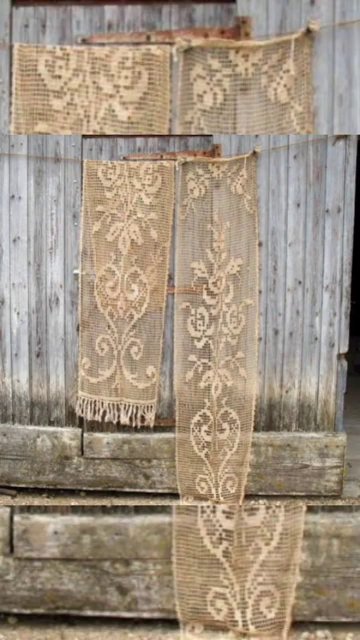
Filet crochet is probably the most traditional approach to curtain-making. You work in a grid of open and filled mesh squares to create patterns — flowers, geometric shapes, even letters if you want to get personalized. The technique is just double crochet and chain stitches, but the results look intricate and elegant.
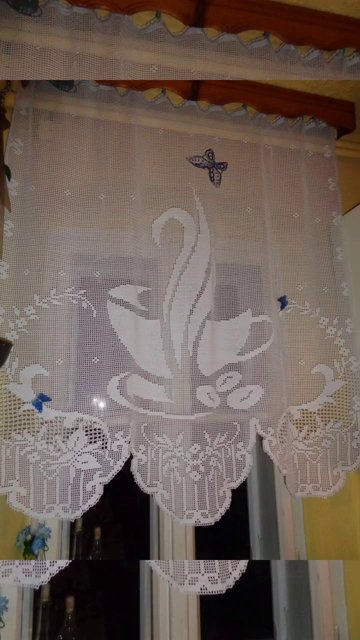
Start with a simple repeating motif. A daisy or diamond pattern spaced evenly across the width of your window looks clean and classic. Filet curtains work especially well in kitchens, where you want light to come through but still need some visual interest.
Lace Panels for a Vintage Feel
If “grandma chic” is your aesthetic, lace curtains are where it’s at. These use more advanced stitch combinations — pineapple stitch, shell stitch, clusters — but you can still pull them off if you’re comfortable with pattern reading. The trick is to use a fine thread and a small hook so the fabric stays open and airy.
Lace curtains look incredible in bedrooms. They soften the light and create a romantic, cozy atmosphere. Pair them with heavier drapes on the sides for a layered look that’s both practical and gorgeous.
Modern Minimalist Grids
Not everyone wants frills and flowers. If your home leans more mid-century or Scandinavian, try a simple grid pattern. Just rows of double crochet with chain spaces between them. It’s basically a giant mesh, but the uniformity of the stitches gives it structure.
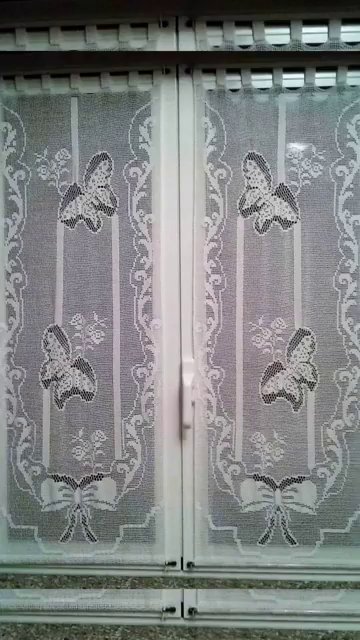
These curtains let in plenty of light while still providing some privacy. They’re also incredibly fast to make — you can finish a standard window panel in a weekend. The simplicity means they work in any room without clashing with your existing decor.
Sizing and Hanging Your Curtains
This is where a lot of people get tripped up. Crochet curtains don’t behave exactly like fabric curtains. They have more stretch and give, and the weight of the thread can pull the fabric longer over time. So you need to plan ahead.
Measure your window width first, then multiply by 1.5 to 2 for fullness. A flat crochet panel that’s exactly as wide as the window will look skimpy. You want some gathering at the top. For the length, add at least four inches to account for the rod pocket or clip-on rings.
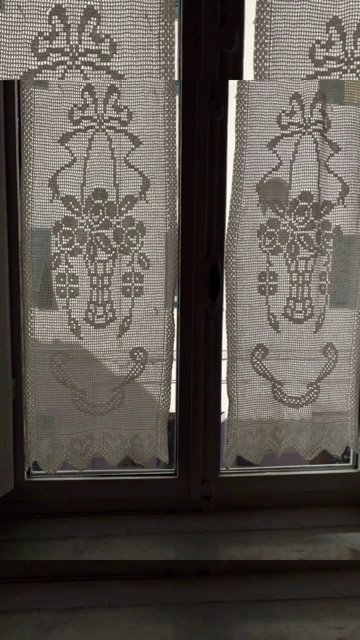
If you’re using a tension rod inside the window frame, keep the curtain slightly shorter so it doesn’t bunch at the bottom. For outside-mounted rods, let the curtain fall to the sill or just below — floor-length crochet curtains are gorgeous but require significantly more thread and time.
One more thing: block your curtains before you hang them. Wet them down, pin them to the correct dimensions, and let them dry flat. This sets the stitches evenly and prevents that wavy, uneven look that happens when you just throw a crochet piece over a rod.
Color and Style Ideas for Every Room
Kitchen
The kitchen is the most popular room for crochet curtains, and it’s easy to see why. You want something that lets in light but doesn’t collect grease and odors. A simple half-curtain that covers the lower half of the window is practical and charming.
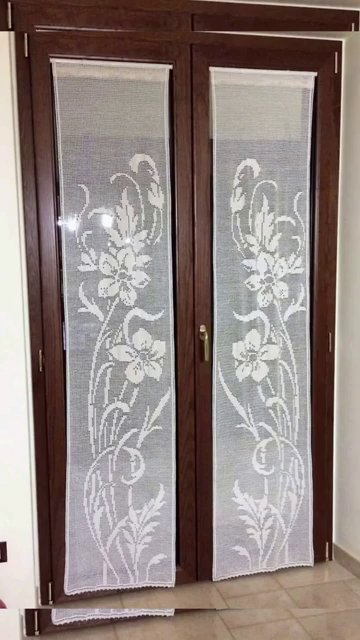
Stick with white or cream — it looks clean and fresh. If you want a little color, add a border in a soft pastel like mint green or pale yellow. Avoid heavy patterns in small kitchens; they can make the space feel cramped.
Bedroom
Bedrooms call for softer, more romantic designs. Lace panels or filet crochet with floral motifs create a dreamy atmosphere. Layer them with blackout curtains if you need total darkness for sleep.
Consider making two panels that tie back at the sides. This gives you flexibility — you can let them hang straight for privacy or tie them back for maximum light.
Living Room
In a living room, you can go bigger. Floor-length panels in a modern grid or geometric pattern make a statement. Choose a slightly heavier thread so the curtains have more weight and hang straighter.
Neutral tones like beige, taupe, or soft gray keep the look sophisticated. If your living room has a lot of natural wood or plants, the texture of crochet adds warmth without competing.
Bathroom
Bathroom curtains need to handle humidity. Cotton is fine, but make sure you wash and dry them regularly to prevent mildew. A simple mesh pattern works well here — it lets light through while still obscuring the view.
Keep the length short. A valance or café-style curtain that covers the top half of the window is practical and cute. Add a decorative trim or scalloped edge for personality.
Making Different Patterns and Designs
Once you get comfortable with the basics, you can start experimenting. Crochet curtains are incredibly forgiving because the openwork hides small mistakes. If your tension is slightly off, nobody will notice once the curtain is hanging and catching light.
Try alternating stitch patterns across the width of the curtain. A few rows of shell stitch, then a section of filet mesh, then a border of picots. The contrast keeps the eye moving and makes the piece feel intentional rather than repetitive.
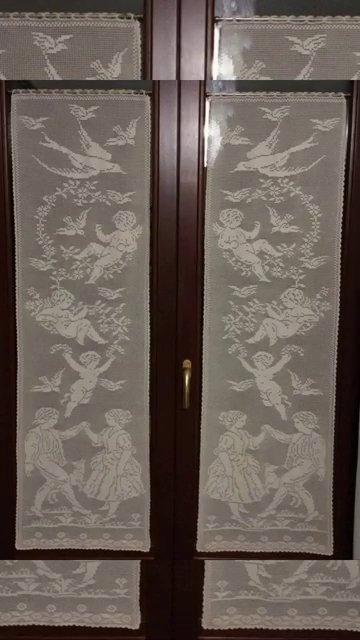
You can also add embellishments after the main piece is done. Sew on beads along the bottom edge for a little weight and sparkle. Add a contrasting border in a brighter color. Or keep it monochrome and let the texture do all the work.
Why Handmade Curtains Are Worth the Effort
There’s no denying that crochet curtains take time. A large window panel can take weeks of steady work. But here’s the thing — store-bought curtains are expensive if you want good quality, and cheap ones look exactly like what they are. A handmade curtain costs you thread and time, and the result is something nobody else has.
It’s also deeply satisfying to look at a window and know you made the curtain that hangs there. Every stitch, every row, every decision about pattern and color — it’s all yours. That feeling doesn’t come from a shopping cart.
And if you ever get tired of the design? Frog it and start over. The thread is reusable. You can’t do that with a pair of polyester panels from the home goods store.
Final Thoughts
Crochet curtains are one of those projects that seem intimidating until you actually try them. Then you wonder why you didn’t do it sooner. They’re simple enough for beginners, endlessly customizable, and they make your home feel genuinely cozy.
Start with a small window — a kitchen sill or a bathroom half-window. Pick a pattern you love, choose a thread that feels good in your hands, and take it one row at a time. Before you know it, you’ll have something beautiful that changes the way that room feels.
And if you’re looking for other quick crochet projects to practice your skills, something like a crochet dishcloth is a great warm-up before tackling curtains. Or if you want a playful break, a monster keychain works up in an hour and makes a fun gift. But once you hang that first curtain in the window? You’ll probably start planning the next one before the day is over.