There’s something deeply satisfying about watching a cross stitch pattern come to life, one tiny X at a time. And when that pattern happens to be a floral design destined for a cushion or pillow cover? Even better. Whether you’re stitching for your own living room or planning a handmade gift, floral cross stitch has a way of making any space feel warmer and more personal.
The design featured here is a lovely floral cross stitch pattern, perfect for cushion covers and pillow covers. It’s the kind of project that sits right at the sweet spot — detailed enough to feel rewarding, but not so complex that you’ll want to give up halfway through.
What Makes This Floral Cross Stitch Design Special
The first thing you’ll notice is the border. Alongside the main floral motif, there’s a delicate borderline design that adds structure and polish. This isn’t just a nice touch — it’s practical too. A good border frames your work and makes the finished piece look intentional, whether you’re mounting it on a cushion or stitching it onto the back of a shirt.
The flowers themselves are what draw you in. They’re not hyper-realistic or fussy. Instead, they have a charming, folk-art quality that feels both timeless and fresh. The petals and leaves are arranged in a balanced composition, so your eye moves naturally across the pattern without feeling overwhelmed.
If you’ve ever tried stitching a design that looked great on paper but turned out awkward on fabric, you’ll appreciate how well this one translates. The stitches are spaced in a way that makes the colors pop without crowding each other.
Choosing Your Fabric and Threads
This is where you get to make the pattern your own. The transcript mentions that you can work with different types of threads — silk, cotton, or even a blended option depending on what you have on hand. Each one gives a slightly different finish.
- Cotton thread is the standard choice. It’s durable, easy to work with, and gives a matte finish that looks soft and natural.
- Silk thread adds a subtle sheen. If you’re stitching something meant to be a bit more decorative, like a special occasion pillow, silk can elevate the whole piece.
- Blended threads (cotton-silk mixes) offer a middle ground — a hint of luster without the slippery feel of pure silk.
For the fabric itself, a medium-weight Aida cloth works best for this design. The weave is forgiving enough for beginners but precise enough for experienced stitchers to get clean, even crosses.
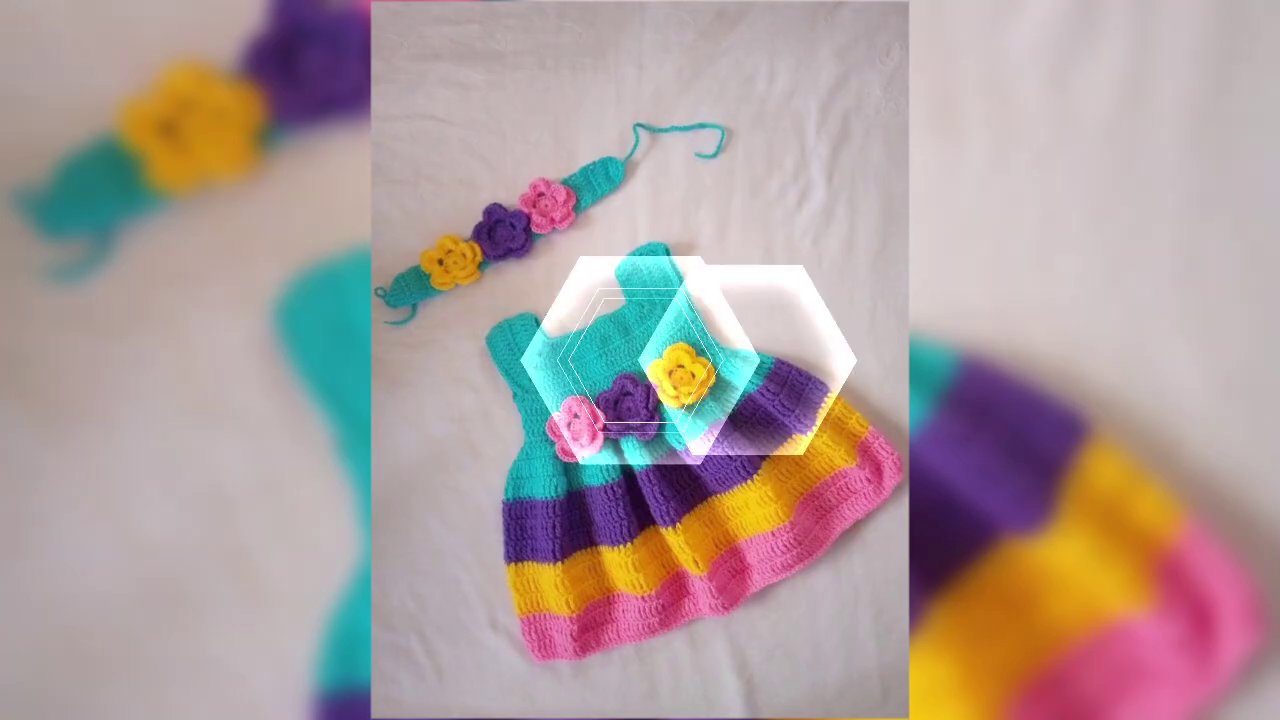
If you’re new to cross stitch, you might want to check out this guide on how to hold your crochet hook and yarn for perfect tension every time — the same principles apply to keeping your stitches even when working with a needle and thread.
Where to Use This Pattern
The obvious answer is cushion and pillow covers, and that’s a great place to start. But let’s talk about some other ideas, because this pattern is versatile in ways you might not expect.
On clothing. The borderline design mentioned in the transcript works beautifully on the back of shirts, especially on plain cotton or linen tops. It adds a handmade touch without being too loud. Imagine a simple white shirt with a small floral cross stitch panel across the shoulder blades — understated, personal, and completely unique.
On home linens. Beyond cushions, you could stitch this pattern onto a table runner, a small wall hanging, or even a fabric bookmark. The border design is particularly well-suited for long, narrow pieces.
As a gift. Hand-stitched gifts carry a weight that store-bought items just can’t match. A cushion cover with this floral pattern, stitched in someone’s favorite colors, says you put time and thought into it.
Tips for Getting It Right the First Time
If this is your first time working with a floral cross stitch pattern, or even if you’ve done a few projects before, here are a few things that make a real difference.
Start with the center. Always begin stitching from the center of your fabric. This ensures your design stays centered and you don’t run out of fabric on one side. Most patterns mark the center, but you can find it yourself by folding the fabric in half twice.
Use a hoop or frame. Keeping your fabric taut makes your stitches more even and reduces hand fatigue. A simple embroidery hoop is fine, but if you’re working on a larger piece, a scroll frame might be more comfortable.
Mind your tension. This is the most common mistake beginners make. Stitches that are too tight will pucker the fabric. Stitches that are too loose will look sloppy. Aim for a consistent, gentle pull — the thread should lie flat against the fabric without pulling it out of shape.
Sort your threads ahead of time. Nothing kills momentum like stopping every few minutes to untangle a knot. Wind your thread colors onto bobbins or small cards before you start. Label them if you’re working with similar shades.
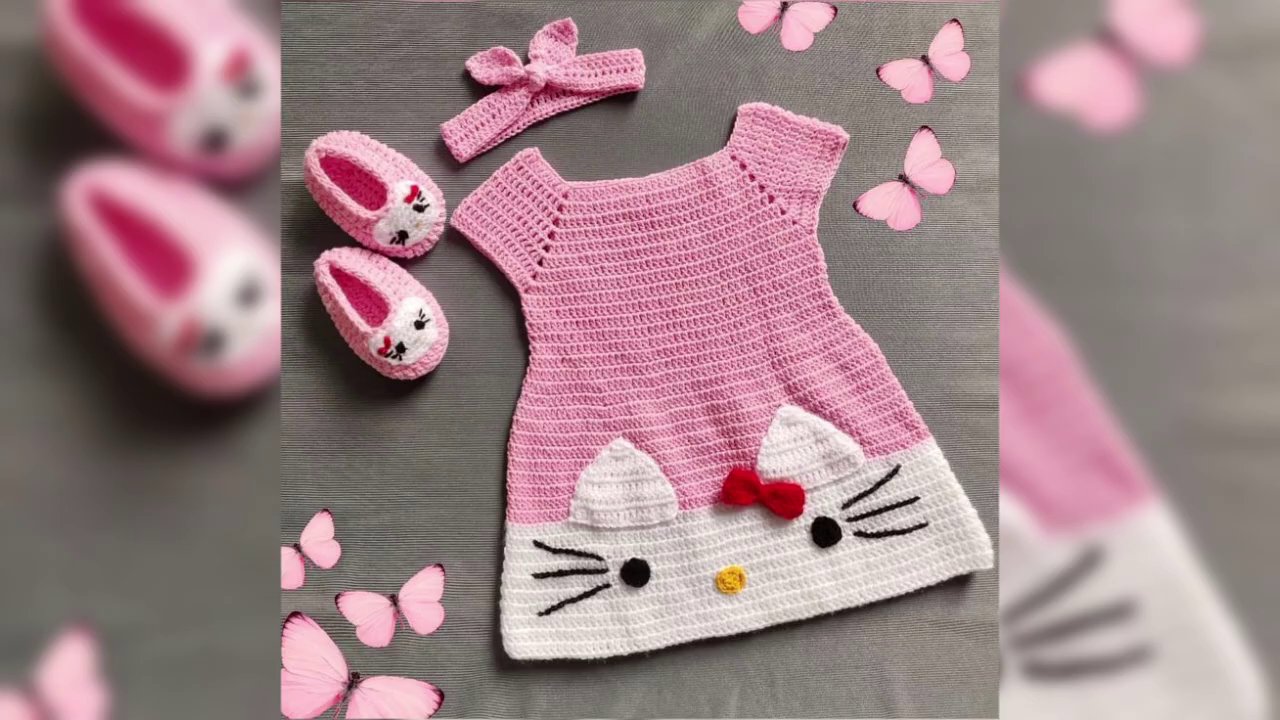
For more on getting the basics down, this walkthrough on double stitch crochet covers similar ground in terms of building consistent rhythm and tension — the core skills transfer across crafts.
Common Mistakes and How to Avoid Them
Even experienced stitchers run into trouble sometimes. Here are the pitfalls I see most often with floral patterns like this one.
Mixing up similar colors. Floral designs often use several shades of the same color — light pink, medium pink, deep rose. It’s easy to grab the wrong one. Double-check your pattern key, and if you’re unsure, stitch a test row on a scrap piece of fabric first.
Skipping the border. The borderline design isn’t just decorative. It also defines the edges of your work and makes the final piece look finished. Don’t skip it, even if you’re tempted to jump straight to the flowers.
Rushing the back. Cross stitch looks best when the back of your fabric is as neat as the front. That means no long jumps between stitches, no tangled knots. It takes a bit more time, but it pays off when you mount your piece.
Why Floral Patterns Never Go Out of Style
There’s a reason floral cross stitch has been popular for generations. Flowers are universal. They don’t belong to any one trend or decade. A floral pattern stitched today will look just as good twenty years from now, maybe even better.
There’s also something meditative about stitching petals and leaves. The repetition is calming. Each completed flower feels like a small victory. By the time you finish the last stitch, you’ll have a piece that’s genuinely yours — not something mass-produced, but something you built with your own hands.
If you’re looking for more projects to build your skills, this step-by-step pattern for a chunky little bag is a great follow-up — it uses similar techniques but in a different form factor.
Final Thoughts
Floral cross stitch is one of those crafts that rewards patience. The more time you put into it, the more beautiful the result. This particular design, with its balanced flowers and versatile border, is a perfect project for anyone who wants to create something lasting.
Whether you stitch it onto a cushion, a shirt, or a wall hanging, the process itself is the real gift. Take your time. Enjoy the rhythm. And when you’re done, you’ll have something that no store could ever replicate.