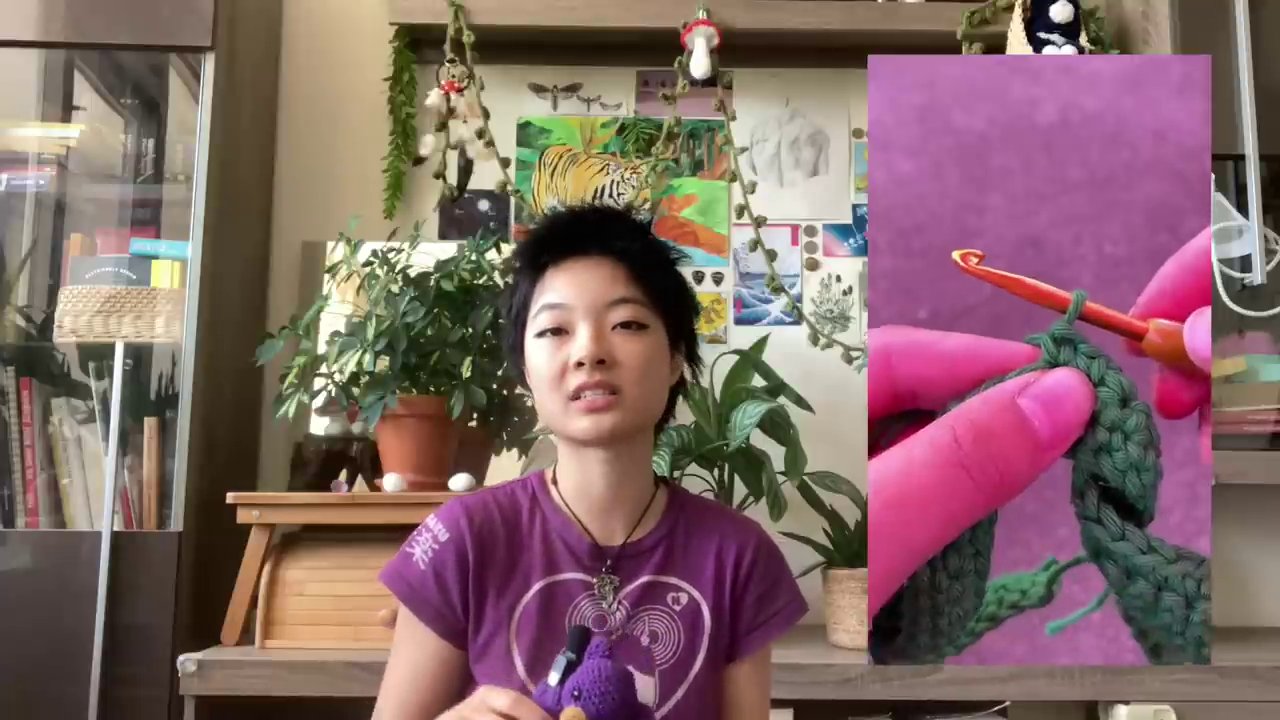
You’ve just finished your first crochet tutorial. You’re holding a hook, some yarn, and you feel ready to make something beautiful. But then something goes wrong. The stitches look uneven. The magic ring won’t close. Your hands start to ache. If this sounds familiar, you’re not alone.
I’ve been there too. When I first started crocheting, I made every mistake you can imagine — and a few you probably haven’t thought of yet. The good news? Most of these beginner blunders are completely avoidable once you know what to look for. Let me save you the frustration I went through.
The Tension Trap: Stop Pulling So Tight
Here’s the first thing nobody told me: stop pulling your stitches tight. If you’ve done any other fiber craft before — sewing, cross-stitching, even tying your shoes — you’re used to pulling yarn or thread snug. Unlearn that instinct immediately.
Every stitch you make is an opening you’ll need to work into later. Pull them tight, and your hook won’t fit. Your tension will become a nightmare. You’ll spend more time wrestling with your work than actually enjoying it.
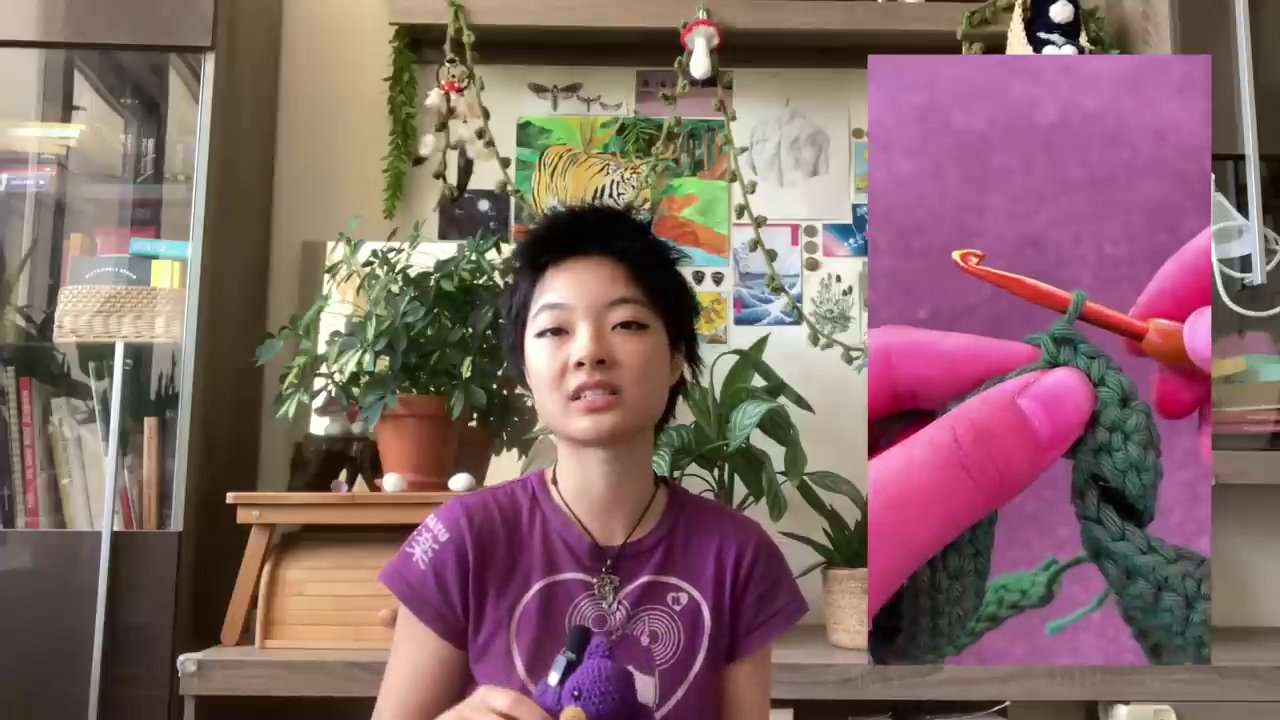
Here’s a simple rule: your loops should have a slightly larger diameter than the body of your hook — not the neck (the thin part under the hook), but the thicker area between the hook and the handle. If you’re jamming your hook into stitches from the previous row, loosen up. If your hook is squeaking? Definitely too tight.
Keep your hands loose. Tight tension doesn’t just ruin your stitches — it hurts. Your hands will be sore the next day, I promise you.
The Stuffing Problem: Less Is More
I love stuffing amigurumi. There’s something magical about watching a flat piece of fabric turn into a three-dimensional creature. When I started making plushies, I stuffed them until they were rock hard. More stuffing meant more shape, right? Wrong.
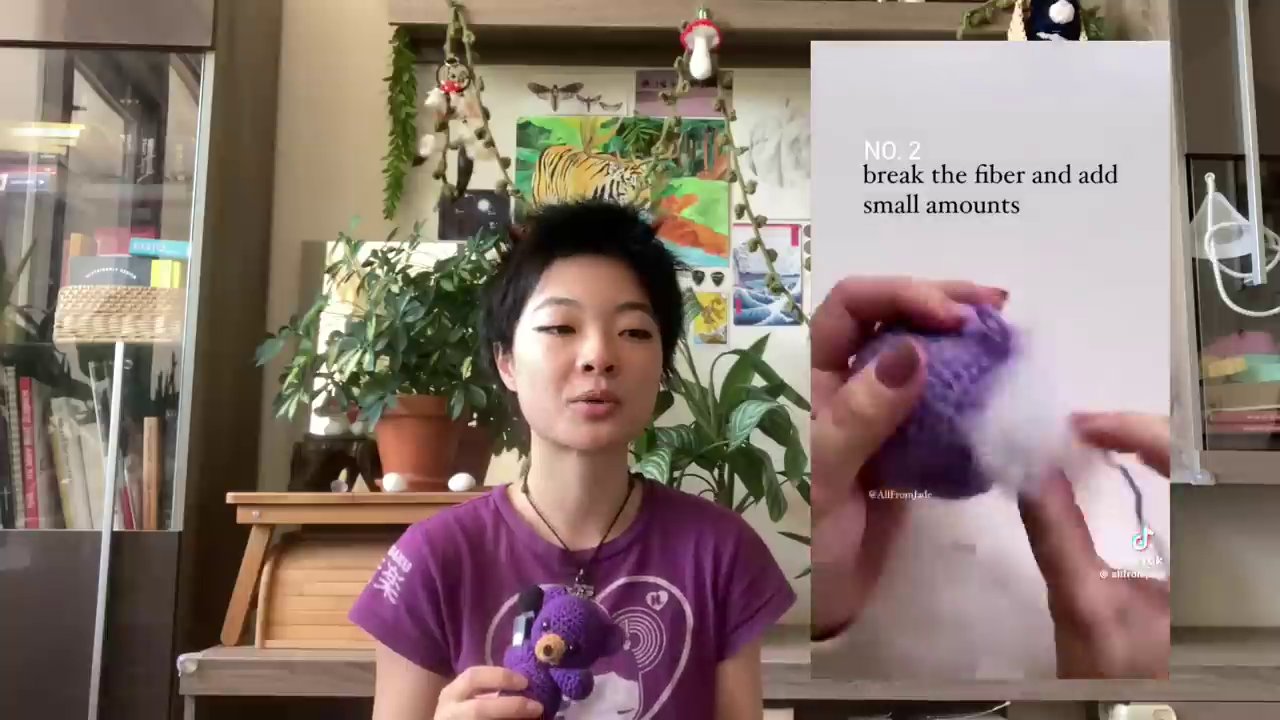
Overstuffing stretches your stitches until you can see the polyfill peeking through. Your project ends up looking lumpy and misshapen. The fix is simple: stuff conservatively. Pull your polyfill apart so it’s less condensed before you add it. You want your plushie to be squishy, not bursting at the seams.
If you’re working on a project like a crochet plush frog pattern, this advice becomes even more important. A frog with stuffing oozing between its stitches isn’t cute — it’s a mess.
Yarn Math: You Need More Than You Think
Crochet eats yarn. It’s not like knitting, where a single skein can go a long way. Crochet demands upwards of triple the amount of yarn for the same project size. This is one of those facts that surprises everyone.
When you’re estimating yarn for a project — especially when you’re still figuring out your tension and gauge — always overshoot. Buy an extra skein or two. You’ll lose yarn to mistakes, tangles, and unraveling. Nothing is worse than running out of yarn halfway through, going back to the store, and finding it’s discontinued or out of stock. I’ve been there. It’s infuriating.
The Magic Ring Trap: Work Into Both Strands
The magic ring is one of the most useful techniques in crochet, but most tutorials don’t show you the crucial part. They show you how to make the ring, but not how to work into it properly.
I spent hours frustrated because my first row wouldn’t close when I pulled the yarn tail. The problem? I was working into just the single strand of the ring. You need to work into both the magic ring AND the starting yarn tail. That way, when you pull the tail, it cinches all your stitches together.
If you want a step-by-step guide, there are plenty of comprehensive tutorials out there. Don’t make my mistake — learn this one right the first time.
Weaving In Ends: Do It Right or Regret It
Weaving in ends is tedious. By the time you finish a project, you just want to be done. So it’s tempting to grab your yarn tail and jam it through any random spot. Don’t.
If you weave in carelessly, the tail will show. It’ll pop out later, and you’ll have to redo it. The edges will fray, and you’ll get more frustrated each time. Be intentional. Follow along the chain. Disguise the yarn tail into the body of stitches. Weave parallel or perpendicular to your project — not just anywhere. It’s a simple fix that will dramatically improve how your finished pieces look.
Gadgets and Gimmicks: You Don’t Need Them
Crochet is simple. You need a hook, some yarn, and your hands. That’s it. Blocking boards, yarn holders, tension rings — these are products designed to capitalize on the fact that you’re new and eager. Influencers push them because they have brand deals, not because you need them.
Don’t fall for it. The more apparatuses you buy, the more you’ll think you need them to be good. You don’t. Focus on your technique first. If you’re curious about which gadgets are actually useful, there are videos that break it down honestly.
UK vs. US Terminology: Know the Difference
Crochet language has two dialects: US and UK terms. Every US stitch has a corresponding UK term, and some words overlap but refer to different stitches. A US single crochet is a UK double crochet. Confused yet?
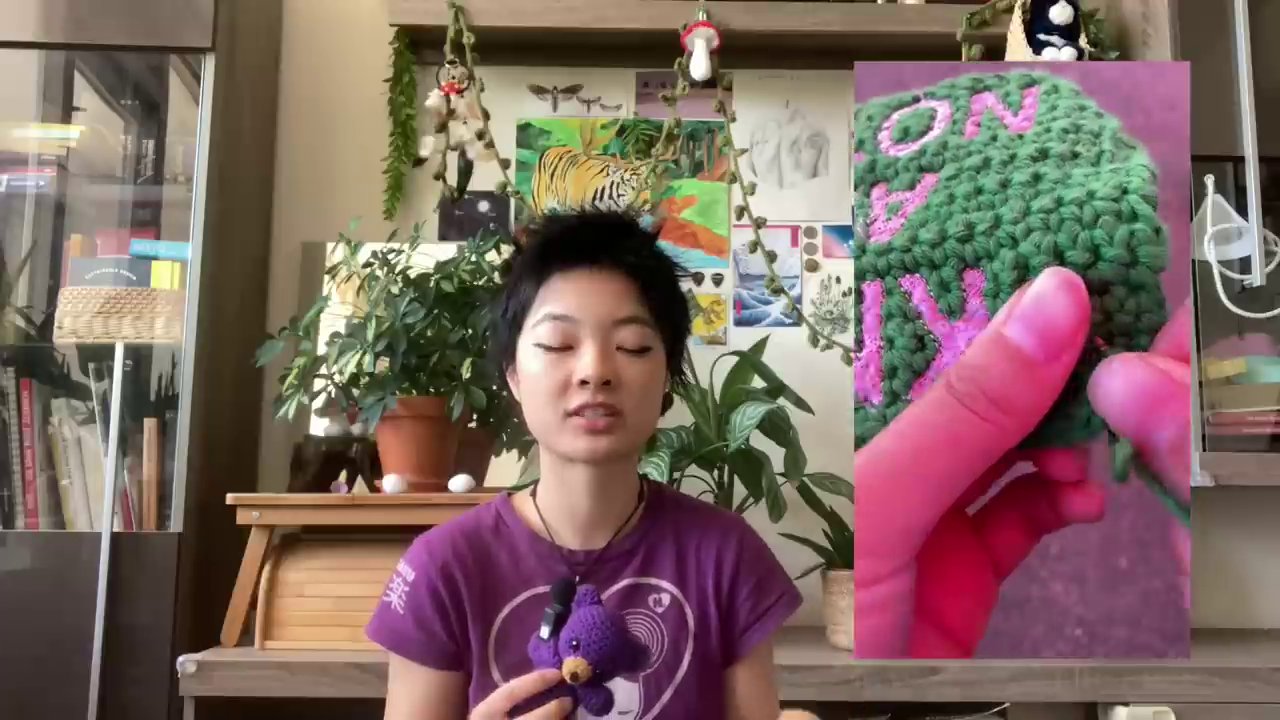
When you’re following a pattern or tutorial, always check which terminology it uses. Just because you learned one doesn’t mean you can’t follow the other — but you need a conversion chart handy. This small habit will save you from making an entire project with the wrong stitches.
Hooks and Yarn: Stick With What Works
You can change yarn mid-project, but if the new yarn has a different weight or material, your project will look different halfway through. Similarly, switching hooks — even hooks of the same size from different brands — will change your tension. Different handles affect your grip, which affects your stitches.
If you’re starting out, pick one hook and one yarn type and stick with them until you build consistency. Experiment later, when you understand how each variable affects your work.
Don’t Sell Your First Projects
Your first projects are going to look rough. That’s normal. You won’t understand yarn weight yet. Your tension will be inconsistent. You’ll make errors you can’t even see because of project blindness.
If you try to sell those early pieces, people will notice. You’ll get criticism. You’ll feel discouraged. Spend time falling in love with the craft before trying to monetize it. Experiment with different projects, yarns, and hook sizes. Figure out what works for you. Crochet is hard enough without adding the pressure of making money from it.
The Ply Problem: Don’t Split Your Yarn
This last one took me forever to figure out. Plied yarn — yarn made of multiple smaller strands twisted together — can separate if you’re not careful. If your hook goes between the plies instead of through the whole strand, it shows in your project.
It also makes unraveling a nightmare. If you make a mistake and need to undo your work, a jumbled mess of separated plies is nearly impossible to fix. Be mindful of where your hook enters the yarn. If you accidentally split the plies, undo it and redo it. It’s worth the extra time.
Things You Shouldn’t Do (Even Though You Want To)
Don’t Buy Every Pretty Yarn
Not all yarn is beginner-friendly. Dark yarn, confetti yarn, faux fur yarn, and bulky plushie yarn are all difficult to work with. You can’t see your stitches. And if you can’t see your stitches while you’re still learning what stitches look like, you’re setting yourself up for frustration.
Save the fancy yarn for later. Start with something simple where you can actually see what you’re doing.
Don’t Buy Patterns Too Soon
I love supporting pattern designers. But if you’re brand new and you buy an advanced pattern, you’ll struggle. You’ll spend money on something you can’t follow. Written patterns are hard to navigate when you’re still learning basic maneuvers.
Start with free video tutorials where you can craft along with someone. If you want to learn patterns, there are tons of free ones online. Build your skills first, then invest.
Things You Should Do
Learn to Read Patterns
Only a small fraction of crochet exists in video form. If you never learn to read patterns, you’re restricting yourself to a tiny corner of the internet. Patterns unlock probably 80% of what crochet can do.
It’s not as hard as it looks. Those abbreviations — DC, SC, HDC — are just shorthand. You can learn them as you go. I never sat down and studied patterns. I picked them up by watching video tutorials that had pattern instructions in the captions. Seeing how the written instructions matched the video made everything click.
Find a Community
Crocheting alone is fine, but crocheting with others is better. Get active on Reddit, YouTube, or local crafting groups. Find people who are also learning — you can help each other. Find experienced crocheters who can teach you.
The crochet community is wonderful. People are friendly, creative, and come from all backgrounds. You’ll hear stories about how crochet has been a lifesaver for some people. It’s genuinely beautiful. Get connected, meet people, and let their stories help you fall in love with the craft.
There’s a lot to learn when you’re starting out, but you don’t have to make all the mistakes I did. Keep your tension loose, stuff your plushies moderately, buy extra yarn, and don’t let the gadgets fool you. Most importantly, enjoy the process. Your first project won’t be perfect, but it’ll be yours — and that’s the whole point.
If I missed any tips that helped you when you were starting, drop them in the comments. I’m always curious to hear what other people wish they’d known.