I’ve been crocheting since I was seven years old. That’s a lot of years, a lot of yarn, and—if I’m being honest—a lot of avoidable frustration. Over the last six years especially, I’ve gone from a crocheter who just made do to someone who genuinely looks forward to every stitch, and the difference comes down to four tools. Not fancy yarn or complicated patterns. Just simple, smart things that changed everything.
If you’re still crocheting the way I used to—ignoring your wrist pain, losing track of stitches, wrestling with makeshift markers—take note. These tools aren’t luxuries. They’re the reason I can still crochet for hours without wanting to cry.
The Hooks That Saved My Wrist
Let’s start with the biggest problem I ever had: repetitive strain injury.
For years, my right wrist would flare up so badly that I had to stop crocheting entirely for days or weeks at a time. It was miserable, and honestly, it was scary. I love this craft. The idea that my own body might force me to give it up felt like a slow-motion disaster.
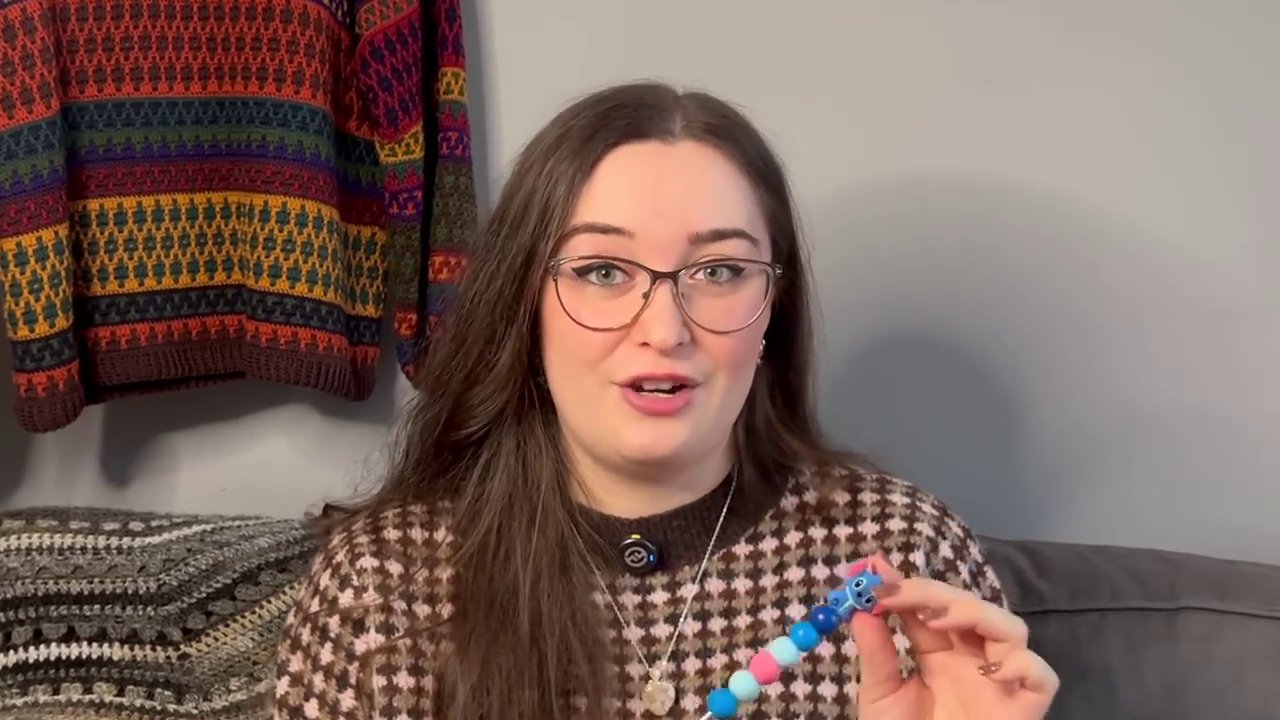
Then I switched to ergonomic crochet hooks. Not the kind with a thin strip of silicone wrapped around the handle—I tried those, and they didn’t do much for me. I’m talking about the chunky, padded ones where your hand actually wraps around the grip instead of pinching a skinny metal shaft. Mine have little bees on them, which is fun, but the real magic is the difference in how my hand feels.
I’ve been using these hooks for about two years now, and in that time, I’ve had maybe two or three moments where my wrist even felt tender. That’s it. And I’m crocheting way more than I ever did before. The ergonomic handle lets me hold the hook naturally, without that death-grip tension that was causing all the trouble.
If you use smaller hooks—I work mostly with 3.5mm these days—this is even more important. Those tiny hooks are fiddly, and they make wrist pain worse. A good ergonomic hook turns them from a chore into a pleasure. Honestly, if you take one thing from this article, let it be this: your hands deserve better than a plain metal hook.
Stitch Markers: The Tiny Heroes You Didn’t Know You Needed
I did not use stitch markers for a long time. I thought they were unnecessary. I did the old trick of weaving a scrap piece of yarn through my work and calling it a day.
I was wrong.
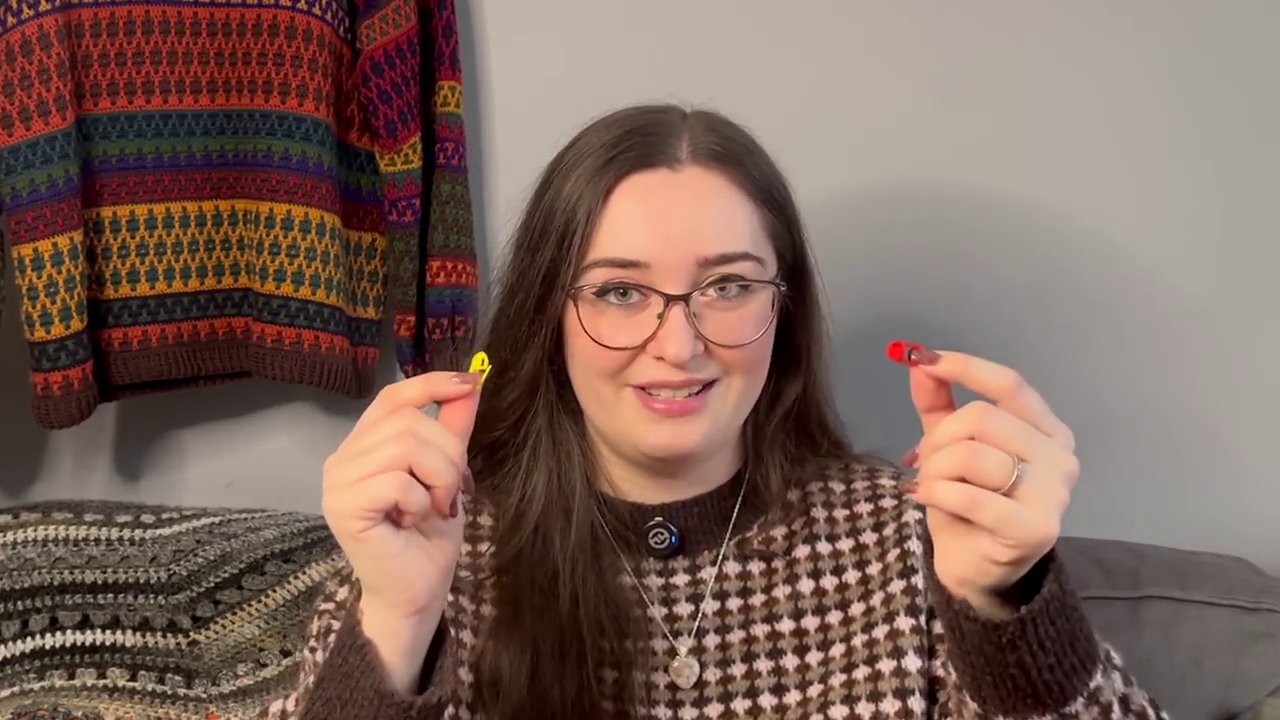
The first time I bought a proper set of stitch markers—I think it was 2020, during lockdown—I realized how much time I’d been wasting. That scrap yarn trick? I would yank it out by accident constantly. I’d pick up a project, pull on the wrong thing, and suddenly half my work was undone. It was infuriating.
Proper stitch markers do three things that changed my crochet life.
First, they lock into the loop you’re working with. That means your project won’t unravel if you set it down or throw it in a bag. No more accidental frogging. No more re-doing rows because you bumped the wrong stitch.
Second, they’re perfect for assembling wearables. If I’m making a sweater or a top, I can pin pieces together with stitch markers to see how they’ll look before I commit to sewing or crocheting them closed. It’s like a dress rehearsal for your project. I use them to mark where I want neck holes or straps to go, and I can adjust everything before I make it permanent.
Third, for complex patterns—especially mosaic crochet—stitch markers are a lifesaver. When you’re working with repeats and a lot of color changes, it’s easy to lose your place. I’ve seen people mark every ten stitches just to keep track of where they are. It sounds tedious, but it’s way less frustrating than ripping out an entire row because you miscounted.
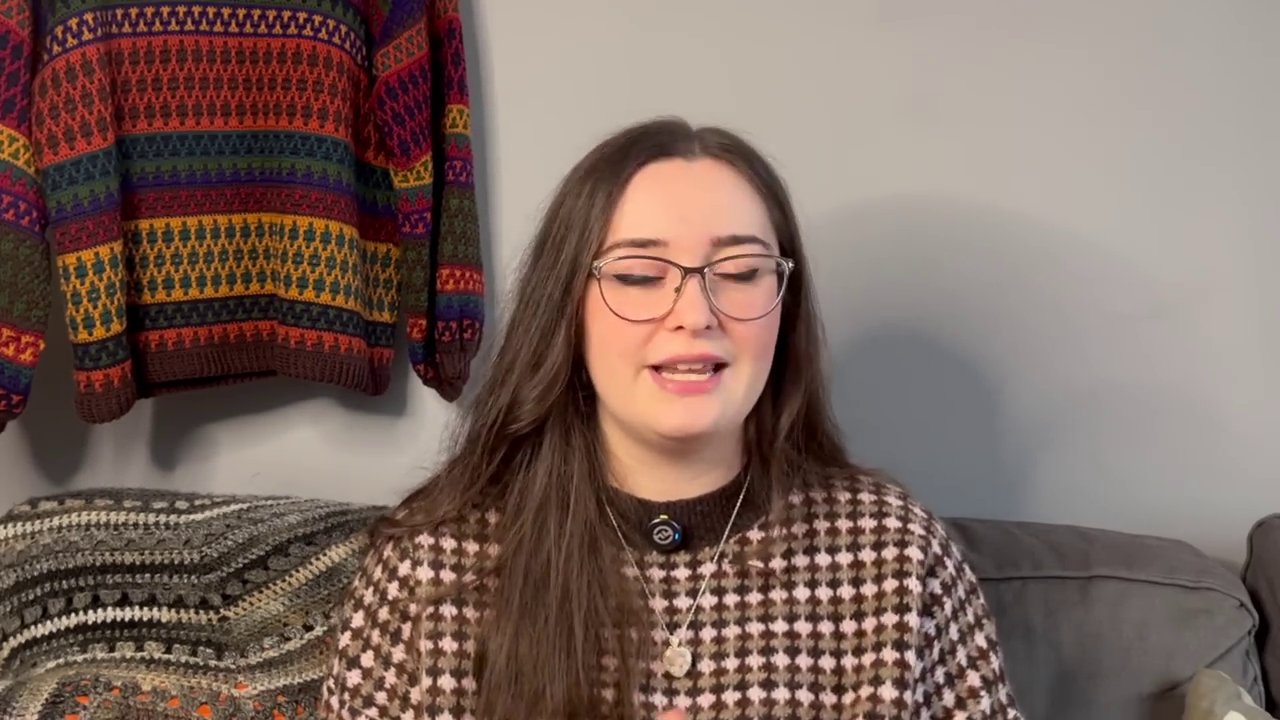
These tiny pieces of plastic are inexpensive, reusable, and they save more time and frustration than almost anything else in my kit. If you’re not using them, you’re making crochet harder than it needs to be.
Travel-Friendly Scissors That Won’t Get Confiscated
Here’s a niche problem that becomes a real pain once you start traveling with your projects: scissors.
I travel a lot more now than I used to, and I have learned the hard way that you cannot just throw any pair of scissors in your carry-on. Airport security gets nervous. Even if it’s obvious that you’re a crocheter—your bag is full of yarn and hooks—some agents will still question why you need scissors.
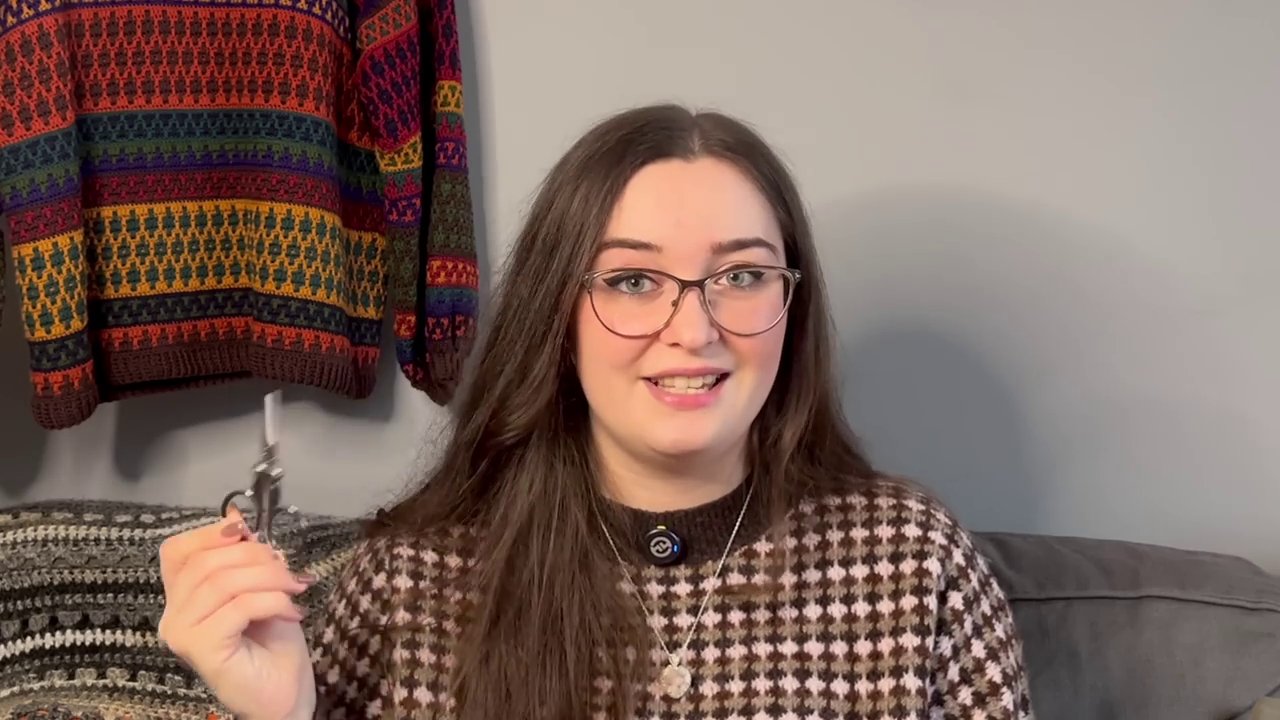
My solution is a pair of scissors that fold into themselves. The blade is small enough that airports shouldn’t have a problem with it, but the real trick is that you can close the blade and then fold the handles around it. When they’re packed away, they look like a little plastic rectangle. Not scary at all.
I’ve taken these on multiple trips now, and I’ve never had an issue. I’m planning another trip soon that’s going to be crochet-heavy—long journeys, quiet evenings—and I’ll be bringing them again. There’s something about having your own pair of scissors, the ones you’re used to, that just feels right. I know that sounds weird. But I’m betting some of you know exactly what I mean.
If you’ve never traveled with crochet before, or if you’ve had scissors confiscated and had to finish a project by biting the yarn (we’ve all been there), get yourself a pair of foldable travel scissors. It’s a small thing that makes a big difference.
The Tote Bag Method (One Project at a Time)
This one might sound silly, but stick with me.
I use tote bags as project bags. I have a lot of them. I just brought one back from Prague as a souvenir, and it’s already assigned to its next project. The rule is simple: one project per bag.
Back when I had less income and less yarn, I used plastic bags. It worked, but it was chaos. I’d have multiple projects stuffed into one bag, and I’d lose track of what was where. I’d think I’d finished something, only to find it buried under three other WIPs. It was frustrating and wasteful.
Now, each project gets its own tote bag. I can grab one bag and know exactly what I’m working on. The yarn is in there, the hook is in there, the pattern notes are in there. It keeps me organized and actually helps me finish things faster. I’m not spending ten minutes untangling yarn or searching for the right hook.
If you can’t do one bag per project—maybe you have too many WIPs or not enough bags—at least make sure you can tell them apart easily. Use different colored bags, or label them. The point is to reduce the friction between you and your project. The easier it is to pick up and start crocheting, the more you’ll actually do it.
Why These Four Tools Matter
I could lose any one of these tools, and my crochet experience would be noticeably worse. Without ergonomic hooks, my wrist would hurt. Without stitch markers, I’d be frogging projects by accident. Without travel scissors, I’d be stressed at airports. Without tote bags, I’d be drowning in half-finished projects.
Crochet is supposed to be fun. It’s supposed to be relaxing. But it’s easy to let small frustrations build up until you’re not enjoying it anymore. These tools remove those frustrations. They make the process smoother, so you can focus on the actual making.
If you’re not using any of these, give them a try. Start with one—maybe the ergonomic hooks if you have wrist pain, or stitch markers if you’re tired of losing your place. See if it changes how you feel about crocheting. I bet it will.
What about you? Do you have a favorite crochet tool that I didn’t mention? Maybe something that seems small but makes a huge difference in your workflow. I’d love to hear about it. Drop your thoughts in the comments—I’m genuinely curious if there are hidden gems out there I haven’t discovered yet.
And if you’re looking for a new project to try with your upgraded tool kit, check out this crochet plush frog pattern for something fun and beginner-friendly. Or, if you want to practice your stitch marker skills on a smaller scale, this monster keychain pattern is a quick win.
Happy crocheting.