There’s something deeply satisfying about watching experienced hands work a crochet hook. The rhythm of it — the way the yarn glides, the hook twists, and a fabric slowly takes shape — is almost hypnotic. In a recent tutorial, a pair of hands demonstrated exactly that, working through a half double crochet (hdc) stitch with white yarn and a gold hook against a light wood table. The video didn’t need a voiceover or fancy graphics. The hands told the whole story.
But if you’ve ever tried to learn a stitch from a video, you know it’s not always that simple. The camera angle shifts. The hands move fast. Suddenly you’re pausing and rewinding, trying to figure out what just happened. That’s why breaking down each step matters — especially for a stitch as versatile as the half double crochet.
What Exactly Is a Half Double Crochet?
The half double crochet sits right in the middle of the crochet stitch family. It’s taller than a single crochet but shorter than a double crochet. That makes it a wonderful workhorse stitch — not too dense, not too airy. It creates a fabric with just enough structure to hold its shape but enough give to feel soft.
In the video, the text overlay reads “3. hdc…” which suggests this was part of a multi-step pattern. The hands are already in motion, the hook inserted into the work, yarn being pulled through. If you’ve ever felt lost trying to follow along with a pattern that assumes you already know the basics, you’re not alone. Let’s walk through what those hands are actually doing.
The Anatomy of the Stitch
When you watch a close-up crochet tutorial, the details you see matter. The gold hook with a black handle catches the light. The white yarn contrasts sharply against the skin, making every loop visible. That’s intentional — good tutorial lighting and color contrast help learners see exactly where the hook goes and how the yarn wraps.
Here’s what’s happening at the moment the video captures the hdc:
The hook slides into the stitch from front to back. Then the yarn wraps over the hook — that’s the “yarn over” that makes hdc different from a single crochet. With three loops now on the hook, the hand pulls the yarn through the stitch. That leaves three loops still on the hook. One more yarn over, and the hook pulls through all three loops at once.
That final pull is the magic moment. One stitch complete.
Why the Half Double Crochet Deserves More Love
A lot of beginners skip straight from single crochet to double crochet, treating hdc as an afterthought. That’s a mistake. The half double crochet gives you a fabric that’s warm but not stiff, stretchy but not floppy. It’s the stitch you want for hats, scarves, baby blankets, and dishcloths.
If you’ve ever made a Crochet Dishcloths – Free Crochet Pattern for Home in Paintbox Yarns Recycled Cotton Worsted, you already know how well hdc works for practical projects. It creates a dense enough texture to scrub with, but it’s not so tight that the fabric feels like cardboard.
The video’s background — that light wood surface — hints at a home crafter’s space. It’s the kind of setting where you’d sit down with a cup of coffee and work a few rows while the afternoon light fades. That’s the energy hdc brings to a project. It’s not flashy. It’s reliable.
Reading the Hands: What the Video Teaches Us
Without a spoken explanation, the hands have to communicate everything. And they do. Watch how the left hand holds the yarn — not gripped tightly, but draped. The tension comes from the way the yarn wraps around the fingers, not from squeezing. That’s a lesson in itself.
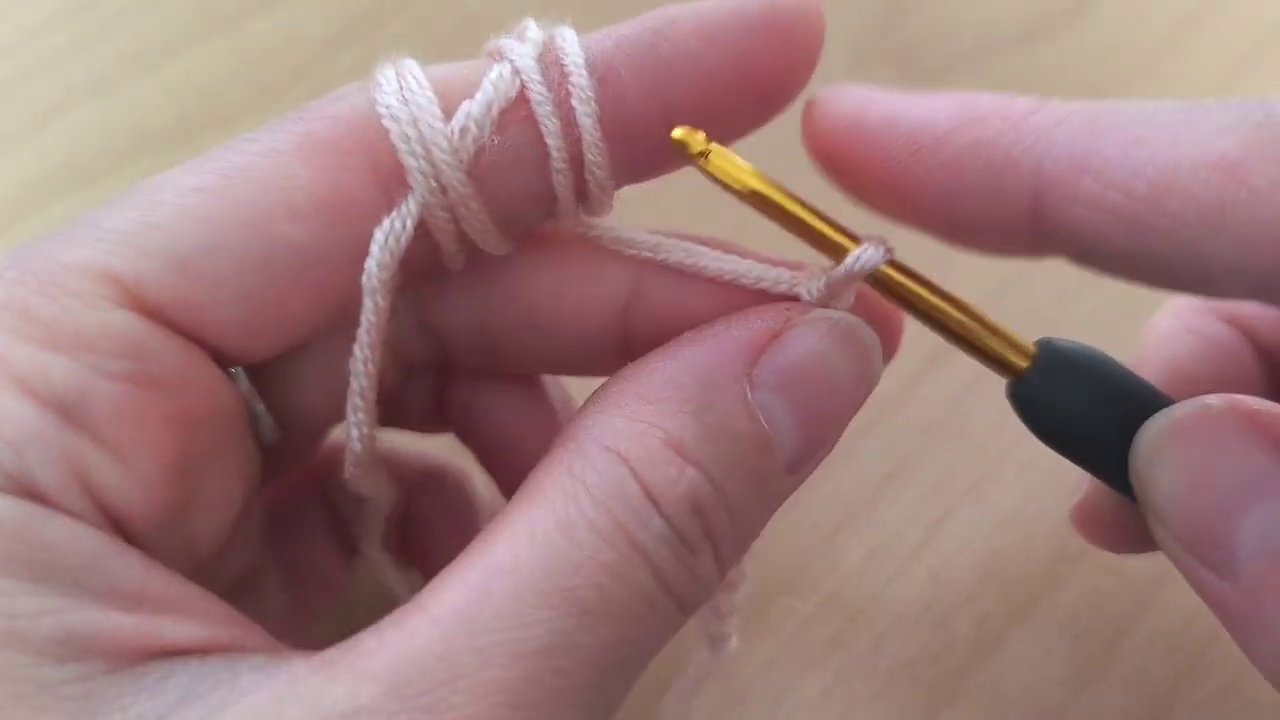
Notice the speed. The hands move at a steady, unhurried pace. That’s deliberate. A good tutorial doesn’t rush through the motions. It lets you see the rhythm. The hook enters, wraps, pulls. Enter, wrap, pull. Each repetition builds on the last.
The text overlay “6 ch” appears later in the video. That’s a clue about the pattern structure. Chain six, then work back across with hdc stitches. It’s a common foundation for swatches, edgings, or small rectangular projects. If you’re following a pattern that starts with a chain and then asks for hdc, this is exactly what that looks like in practice.
Common Mistakes and How to Avoid Them
Even with a clear tutorial, hdc trips people up. The most common issue? The final pull through all three loops. It’s tempting to yank the hook through too fast, which can split the yarn or create uneven tension. The hands in the video show a smoother approach — a gentle, consistent pull.
Another mistake is working the stitch too tightly. Because hdc has that extra yarn over, tight tension makes it hard to insert the hook into the next stitch. The result is a stiff, unforgiving fabric. If you notice your hook struggling to get through, loosen up your yarn tension or go up a hook size.
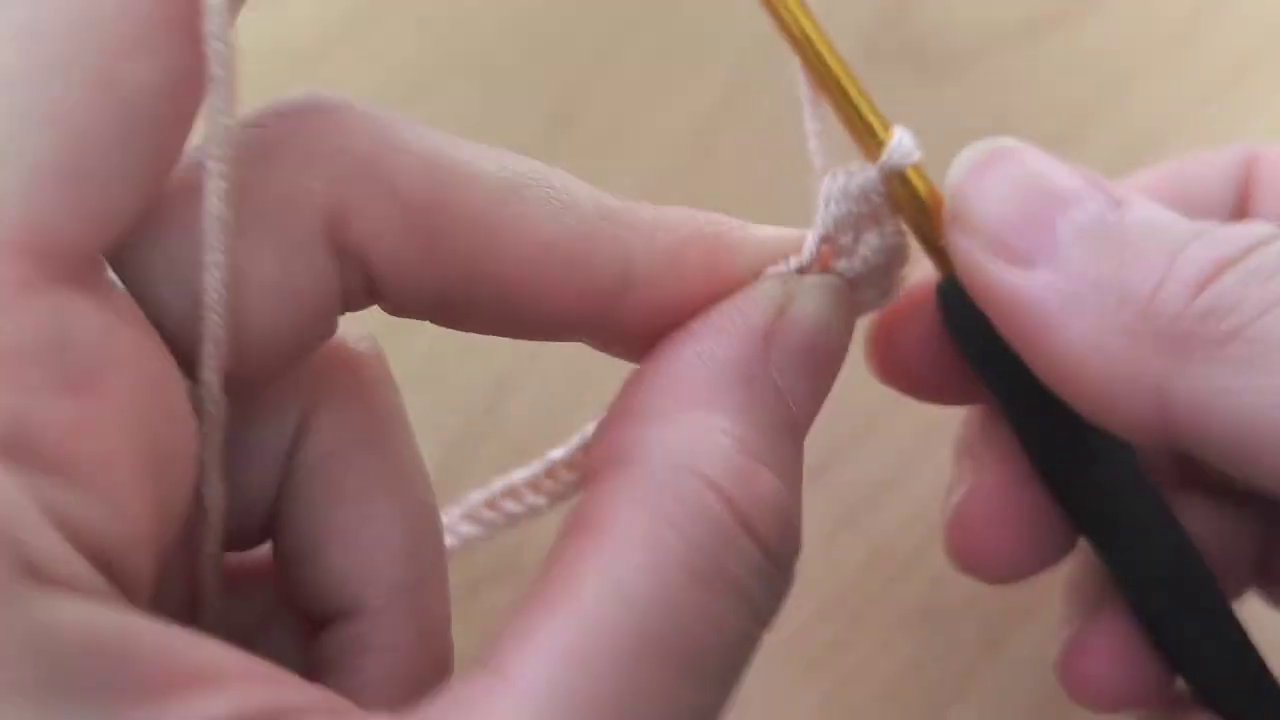
The video’s hands never force the hook. They guide it. That’s the difference between fighting your yarn and working with it.
Applying HDC to Real Projects
Once you’ve got the motion down, hdc opens up a world of possibilities. It’s the stitch behind countless Baby Crabs – All From Jade and other amigurumi projects, where you want a sturdy fabric that still has a little give. It’s also perfect for the Pink V-Stitch Baby Throw in Lion Brand Babysoft Solids — the v-stitch variation uses hdc as its building block, creating that open, airy pattern without losing structure.
You can even use hdc for garments. The Mottled Shade Sweater demonstrates how hdc drapes differently than single crochet, giving a sweater a softer, more relaxed fit. If you’ve only used hdc for dishcloths and scarves, try it on something wearable. You might be surprised.
Why Close-Up Tutorials Work
There’s a reason this type of video resonates. It strips away distractions. No talking head, no background music, no pattern chatter. Just hands and yarn. For visual learners, that’s gold.
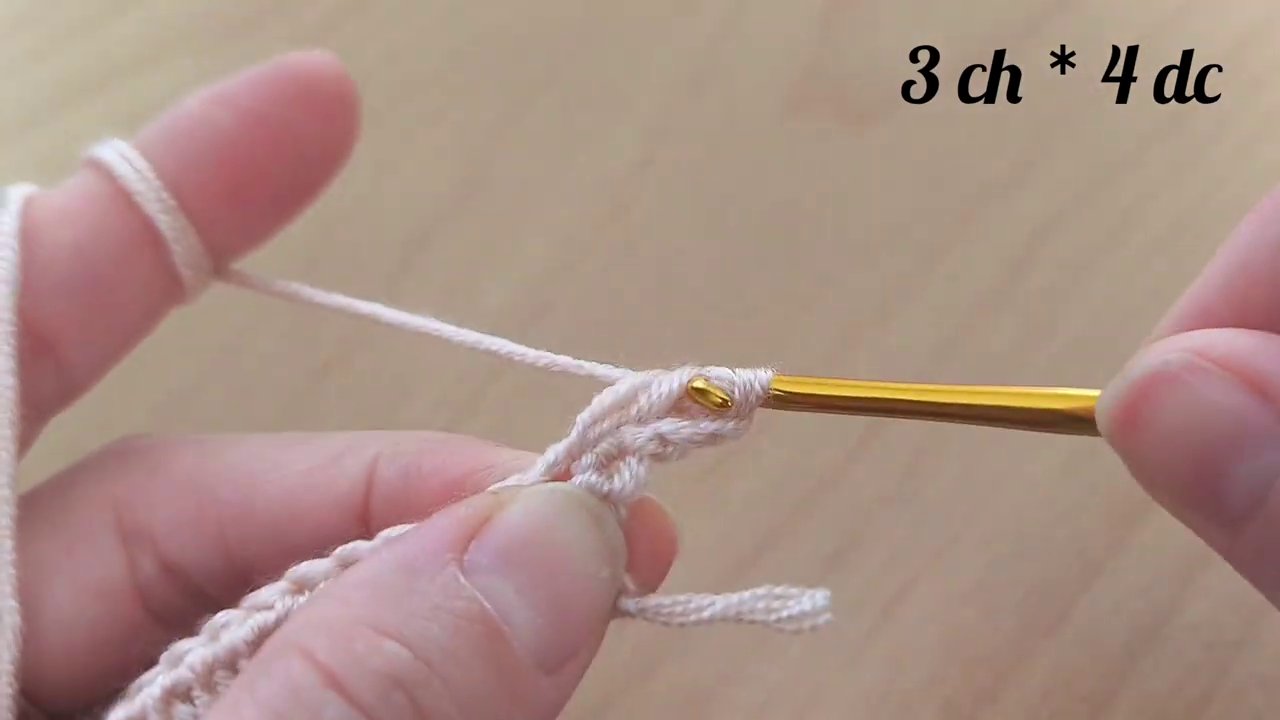
The light wood surface acts as a neutral stage. It doesn’t compete with the yarn. The hands are the only performers. That focus lets you study the mechanics without your eyes wandering. You can see exactly where the hook enters, how the yarn wraps, and what the finished stitch looks like from the side.
If you’re trying to learn a new stitch, find a video like this. Pause it. Rewind it. Watch the hands in slow motion. Then pick up your own hook and mirror the movement. Muscle memory builds faster when you’ve seen the motion repeated cleanly.
The Takeaway
The half double crochet isn’t the flashiest stitch in your toolkit. It doesn’t have the drama of a shell stitch or the intricacy of a cable. But it’s the stitch you’ll reach for again and again. It’s the reliable friend that works for almost everything.
That video of hands on a wood table, working white yarn with a gold hook, captures something essential about crochet. It’s not about the finished object — not entirely. It’s about the process. The rhythm. The small, repeated motions that add up to something real.
Pick up your hook. Try a row of hdc. Watch how the fabric grows. You might find yourself reaching for this stitch more often than you expected.