It’s Sunday morning, and I’m staring at a pile of half-finished amigurumi, a newly ordered bag of stuffing from Amazon (which I hate doing), and the creeping realization that my next market is Friday. Oh, and my kids are on school break, which means they’re home 100% of the time. This is the life of a crochet seller, and honestly, I wouldn’t trade it for anything—but I might trade for a few extra hours in the day.
Why I Ran Out of Everything
Let’s start with the biggest problem: I sold out. My last market went incredibly well—almost too well. The little stuff flew off the table. Keychains, tiny plushies, mini pumpkins—gone. I had three little poufs left at the end of the day, and they sold in the final hour. That’s the kind of problem every maker dreams of, but it leaves you scrambling.
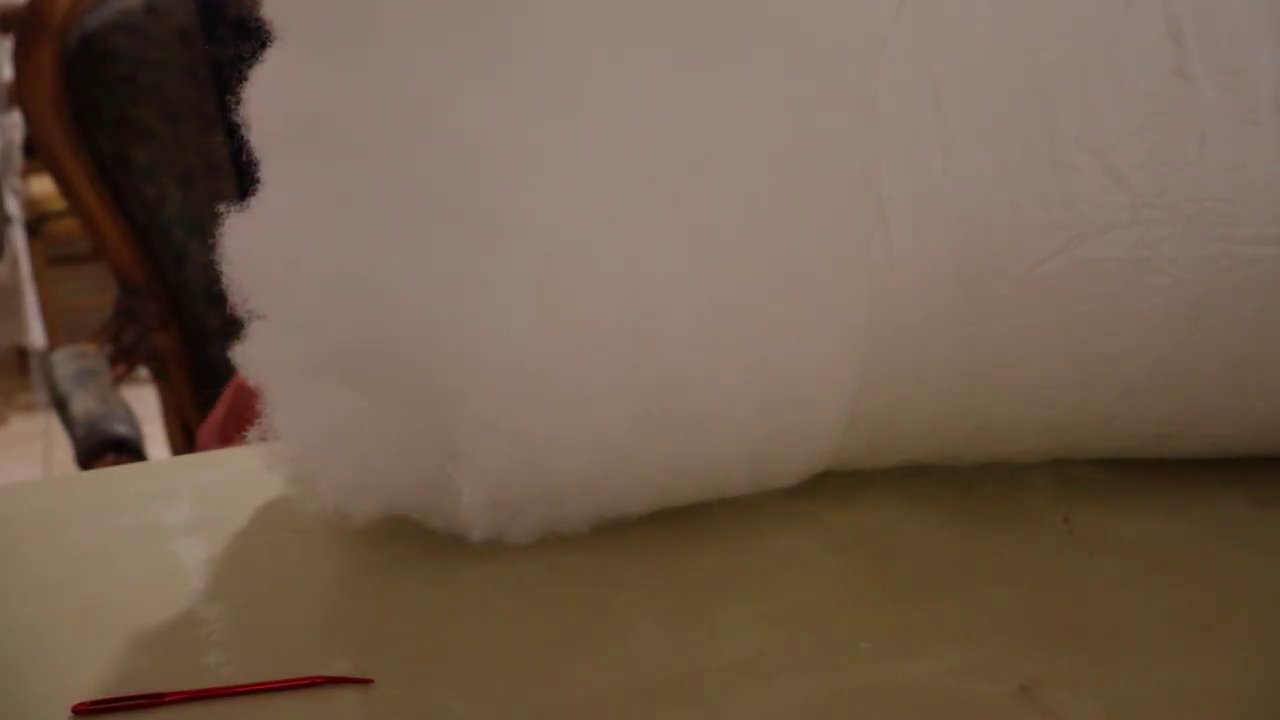
Right now, I have no stuffing left. Zero. The last bag ran out after finishing a batch of amigurumi, and I can’t make a single new plush without it. So I did something I try to avoid: I ordered stuffing on Amazon.
I know, I know—Amazon isn’t ideal for a lot of crafters. The quality can be hit or miss, and I prefer to support local shops when I can. But with a market in five days and no time to wait for a specialty supplier, I had to bite the bullet. The package arrived today, and I’m keeping my fingers crossed that the filling is decent. It’s labeled as OEKO-TEX certified and washable at 95°C, which is a good sign. The brand is Rayer—anyone tried it? I’ll let you know how it holds up.
The Great Studio Move
Here’s where things get extra chaotic. I’m in the middle of moving my entire workspace to a different room in the house. It’s not just a little reorganization—I’m relocating my whole studio. Shelves, yarn bins, hooks, patterns, the works. I’m filming a separate video about the before-and-after, because honestly, it’s a project in itself.
The timing is terrible. Between the move, the kids being home, and the market prep, I’m stretched thin. But there’s a silver lining: once the studio is set up in its new spot, I’ll be able to work in the evenings after the kids go to bed. That’s the plan, anyway. Right now, I’m sitting on the floor surrounded by boxes, trying to remember where I put my stitch markers.
A Secret Weapon: Teaching My Husband to Help
I had a lightbulb moment this week. My husband, who usually stays far away from my yarn stash, offered to help with finishing work. He’s not a crocheter—not even close—but he can stuff and close plushies. So here’s the plan: I’ll crochet the bodies and heads, and he’ll handle the stuffing, sewing the bottoms shut, attaching keychain rings, and embroidering the faces.
This is a game-changer for me. While I’m cranking out the crochet part, he can sit on the couch with a show and do the repetitive finishing work. It means I can focus on the parts I’m fastest at, and he takes over the tasks that eat up my time. If you’ve got a partner or a friend who’s willing to help, I highly recommend this approach. It’s not about them learning to crochet—it’s about them handling the simple steps that multiply your output.
My Cash Box System (and Why It Works)
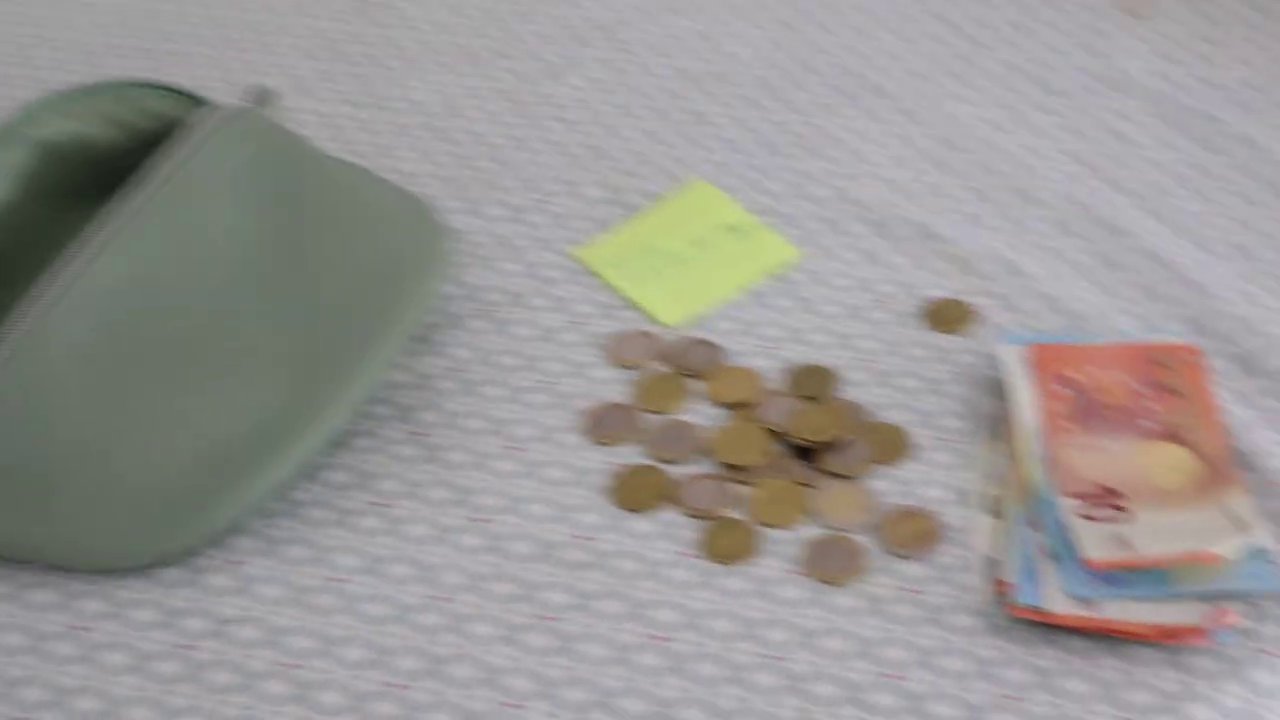
Let’s talk money. I keep a dedicated cash box for markets, and I’ve developed a system that works for me. I start with about 80 to 100 euros in my float—mostly small coins and bills. I try to have as many 5-euro notes and coins as possible, because nothing slows down a sale like not being able to make change.
Here’s my trick: I keep all the 5 and 10 euro bills in the box, and I pull out larger bills as I earn them. The small change stays in the float. I use a small crossbody bag that looks like a purse, so it’s discreet and always on me during the market. The bag has a separate zippered compartment for bills and coins, which keeps everything organized.
At the end of each market, I count the float and pull out my profit. For example, I started with 83 euros, and after the last market, the float had grown to 112 euros. I took 90 euros as profit and left 90 euros in the box for the next event. Simple, clean, and I never have to worry about running out of change.
The Race Against Time: Tuesday Night Update
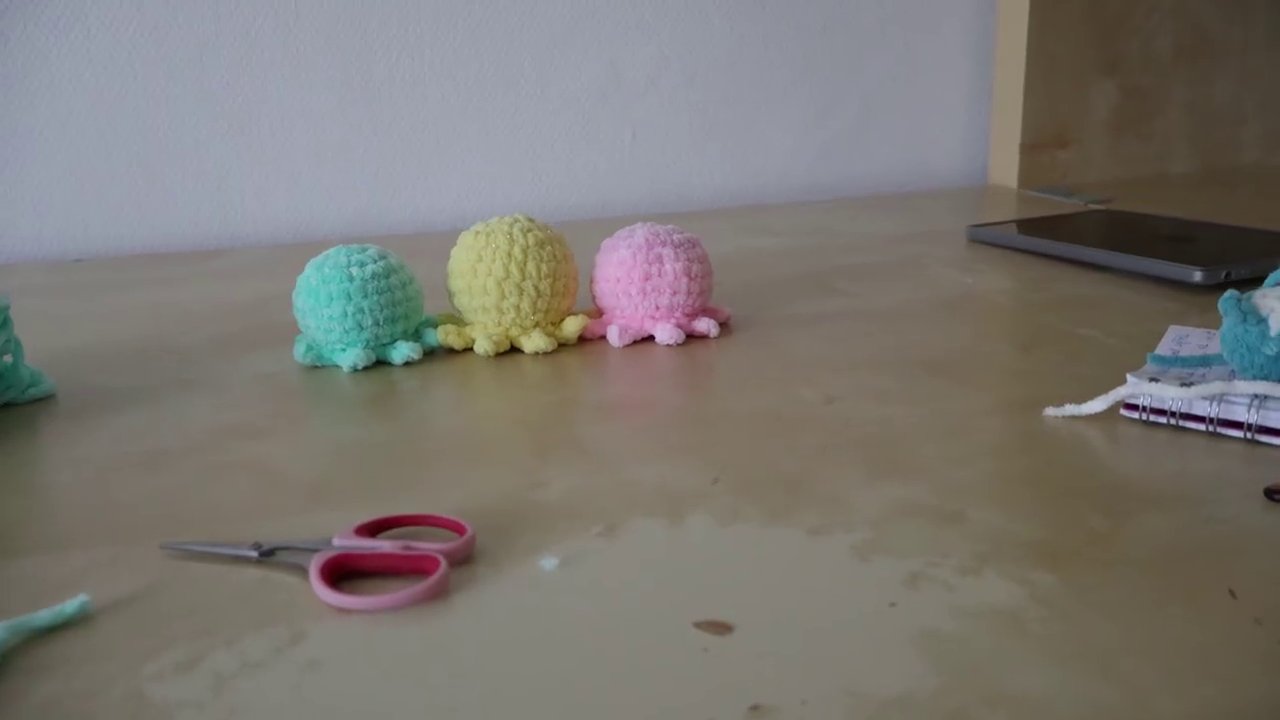
It’s Tuesday evening now, and I’ve managed to make three more poufs. I had sold the last three at the previous market, so getting these done feels like a small victory. But I still need to embroider their faces—the expressive kind with eyebrows, rosy cheeks, and a little smile. That takes time, and I’m running out of it.
I also need to decide: do I make more poufs, or switch to something else that sells well? The mini pumpkins are always popular, and I’m completely out of those too. And the little cats—I still have a few, but not enough to make a difference. I think I’ll focus on the mini items that always sell out: keychains, tiny plushies, and the poufs. They’re quick to make, and they’re what customers grab at the booth.
New Stuffing: First Impressions
The Amazon stuffing arrived, and I have mixed feelings. The bag is huge—almost double what I expected—so at least I won’t run out anytime soon. The texture feels okay, but I’m not 100% convinced yet. It’s labeled as polyester with OEKO-TEX certification, which means it’s safe for children’s toys. That’s non-negotiable for me, since most of my items end up with kids.
I’ll test it on a few plushies tonight and see how it holds up after washing. If it’s good, I might have found a new source for emergency refills. If not, well, I’ll go back to my usual supplier. But for now, it’s better than having nothing.
What’s Next: Stockpiling and New Designs
After this market, I have a two-month break before the next one. That’s both a relief and a challenge. On one hand, I can breathe. On the other, I need to build up a serious stockpile. I’ve been making pretty much the same items for two years, and while they sell, I’m itching to add something new.
I’m thinking about introducing three new designs. Maybe a different style of keychain, or a slightly larger plush that still fits in the “impulse buy” price range. I’ll definitely keep making the bestsellers—the poufs, the pumpkins, the little cats—but I want to surprise my regular customers with something fresh.
I’ve also applied to a new market, but I haven’t heard back yet. If I get in, I’ll have even more reason to ramp up production. If not, I’ll use the time to experiment and refine my patterns.
The Studio Move Continues
I haven’t finished setting up the new studio yet. It’s still a mess of boxes and half-assembled shelving. But I’m making progress. The goal is to have everything in place by the end of the week, so I can work efficiently during the evenings. Once the kids are asleep, I want to be able to walk into a clean, organized space and just make.
I’m filming the whole process for a future video. There’s something satisfying about documenting the chaos and the transformation. It’s not just about the finished space—it’s about the journey of getting there.
Key Takeaways for Fellow Makers
If you’re a crochet seller (or any kind of handmade business owner), here’s what I’ve learned from this week’s chaos:
- Always have backup supplies. I ran out of stuffing because I underestimated how much I’d sell. Keep an extra bag on hand, even if it means storing it in a closet.
- Delegate finishing work. If someone in your life can stuff, sew, or attach keychains, let them. It frees you up to do what you do best.
- Master your cash system. A simple float with plenty of small change will save you headaches at the market. Find a bag that works for you and stick with it.
- Plan for restocks. When you sell out of a popular item, make it a priority to replenish it before the next event. Don’t get distracted by new ideas until the essentials are covered.
- Embrace the chaos. Not every week will be smooth. Sometimes you’ll be moving your studio, dealing with school breaks, and waiting for Amazon deliveries all at once. Roll with it, and keep making.
I’ll be back with more updates soon—including the studio reveal and a full market recap. If you’re not already following along, now’s the time to subscribe. There’s plenty more chaos, creativity, and crochet coming your way.