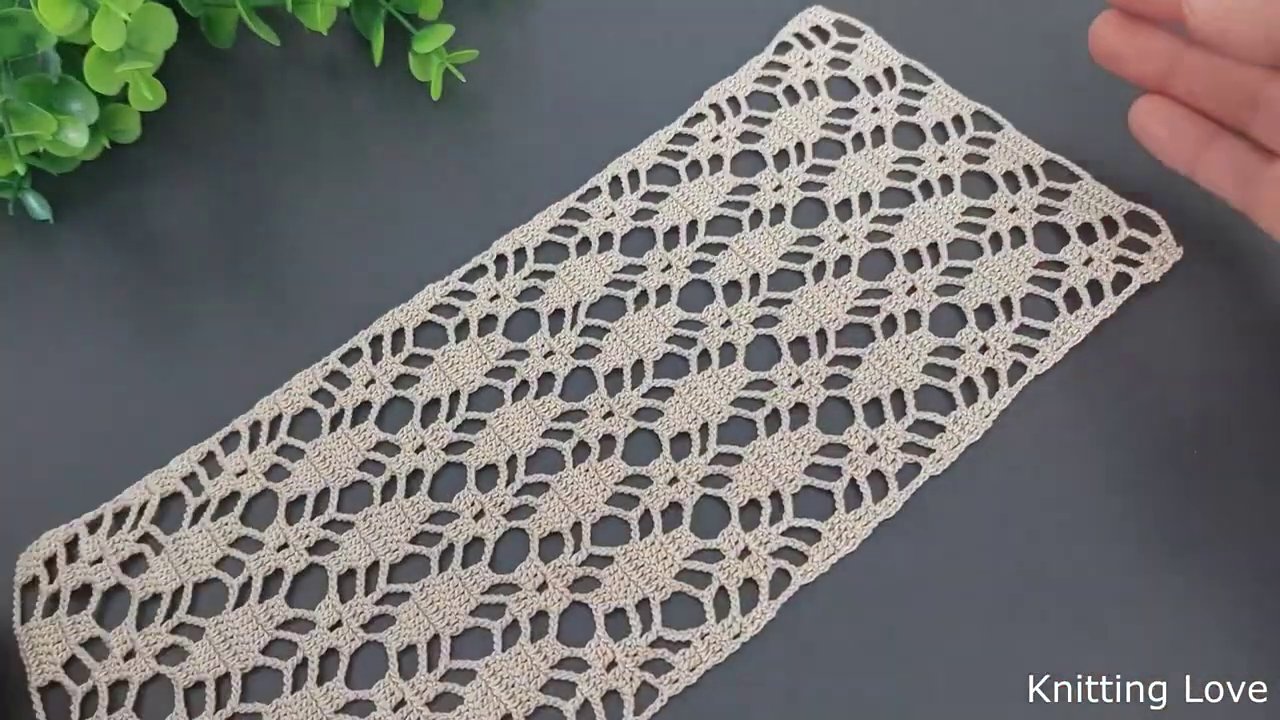
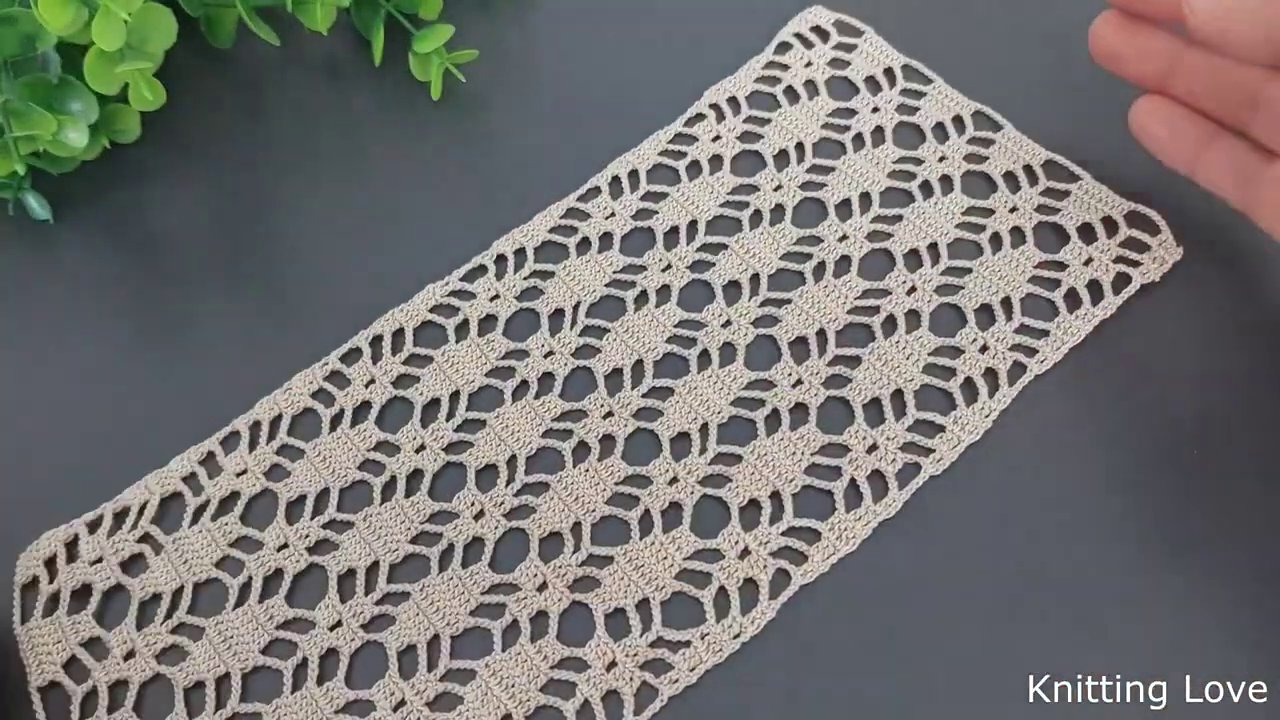
There’s something deeply satisfying about watching a row of stitches transform under your hook, especially when the pattern starts to open up into a delicate, airy lace. This tutorial walks you through one of those patterns — a repeat that combines chains and double crochets to create an open, textured fabric that’s perfect for lightweight scarves, summer tops, or breathable blankets. The video source shows the process up close, and we’re going to break down exactly what’s happening in each step.
What You’re Looking At
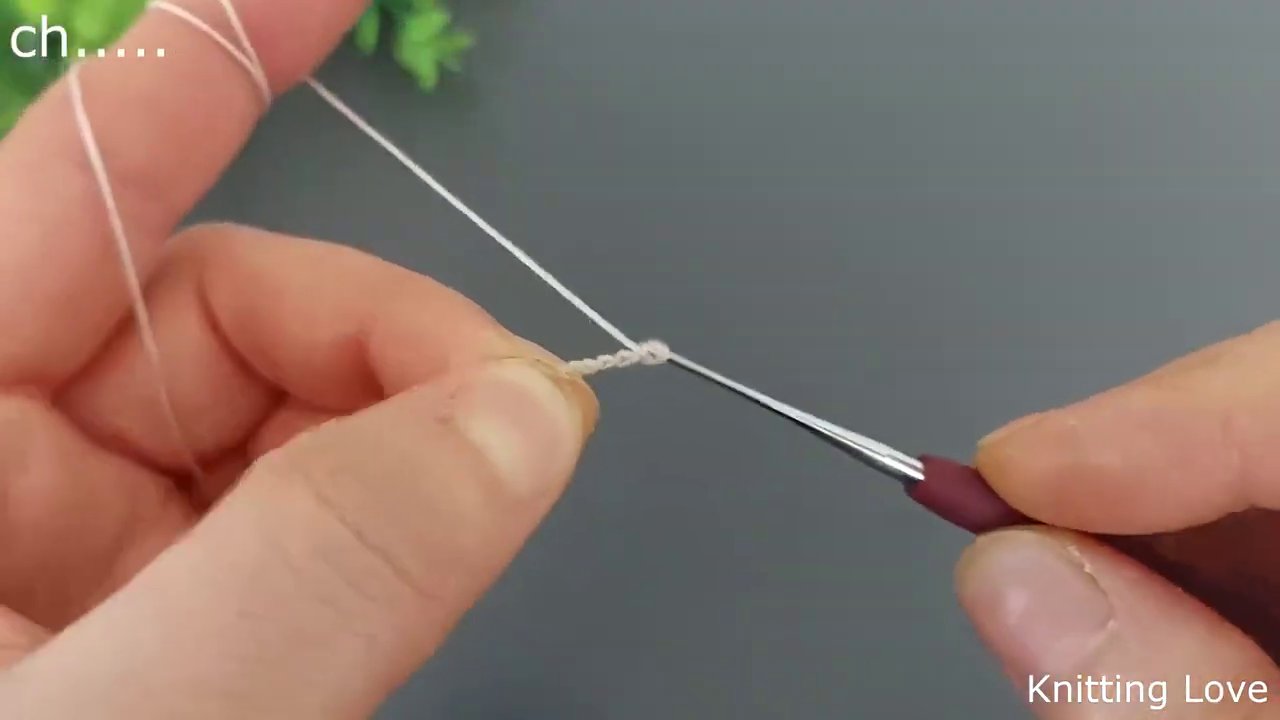
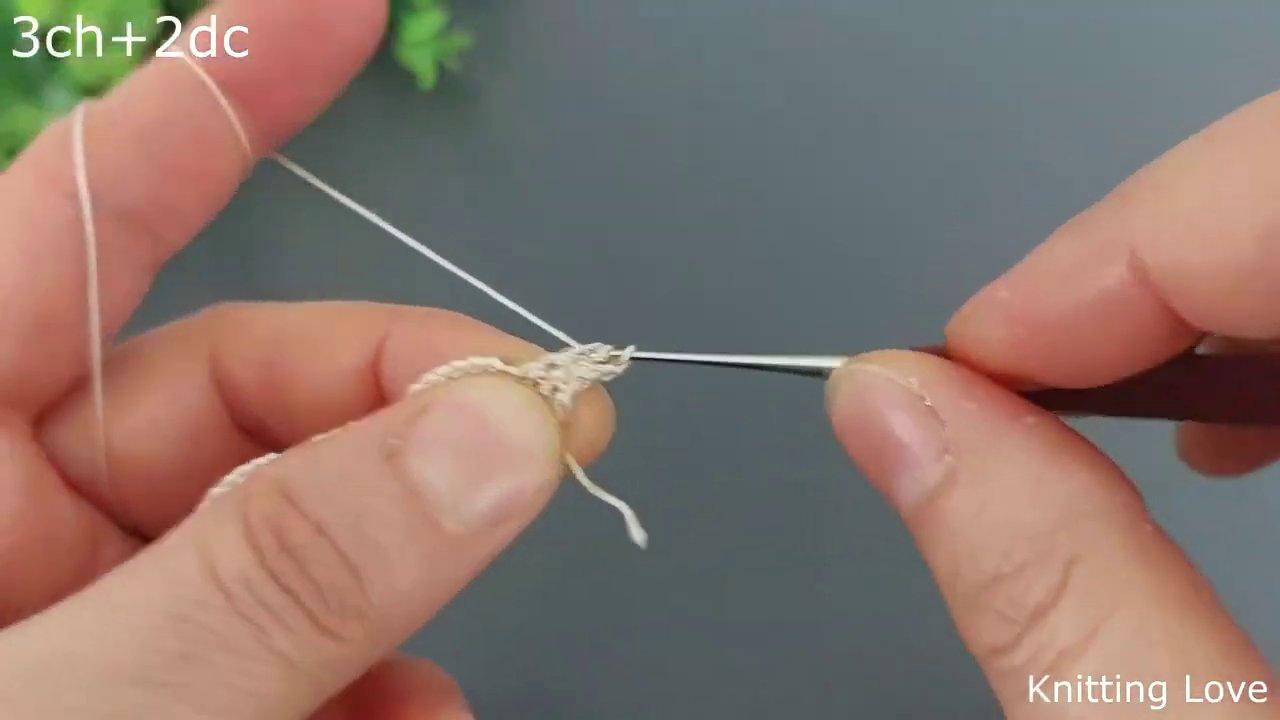
The video opens with a tight close-up of hands holding a crochet hook and yarn. The left hand controls tension, the right hand works the hook. It’s a familiar setup for anyone who’s spent time with yarn, but the watermark in the top-left corner gives away the first clue: “7.loop/7ch+7dc.” That’s the foundation — seven chain stitches followed by seven double crochets. The background is a simple gray surface with a bit of greenery peeking in from the corner, keeping the focus squarely on the stitches.
This isn’t a flashy production. It’s the kind of no-nonsense tutorial you’d get from a friend sitting across the table, showing you exactly where the hook goes. The camera stays tight on the work, so you can see each loop and yarn-over clearly.
The Foundation: Chains and Double Crochets
Every stitch pattern starts somewhere, and here it begins with a simple chain. The “7ch” in the watermark means seven chain stitches. After that, you work seven double crochets into those chains. If you’ve made a basic scarf or dishcloth, you already know the rhythm: yarn over, insert hook, pull through, yarn over, pull through two loops, yarn over, pull through the last two.
But this pattern isn’t just about making a solid block of fabric. Those seven double crochets create the base that the lace will build on. Think of them as the anchor points. Without them, the chains that come next would have nothing to hold onto.
If you’re new to working with chains and double crochets together, it helps to keep your tension even. Too tight, and the fabric puckers. Too loose, and the lace looks sloppy. The video shows a nice, relaxed tension — the stitches sit flat and the hook slides through without resistance.
The First Repeat: Five Double Crochets
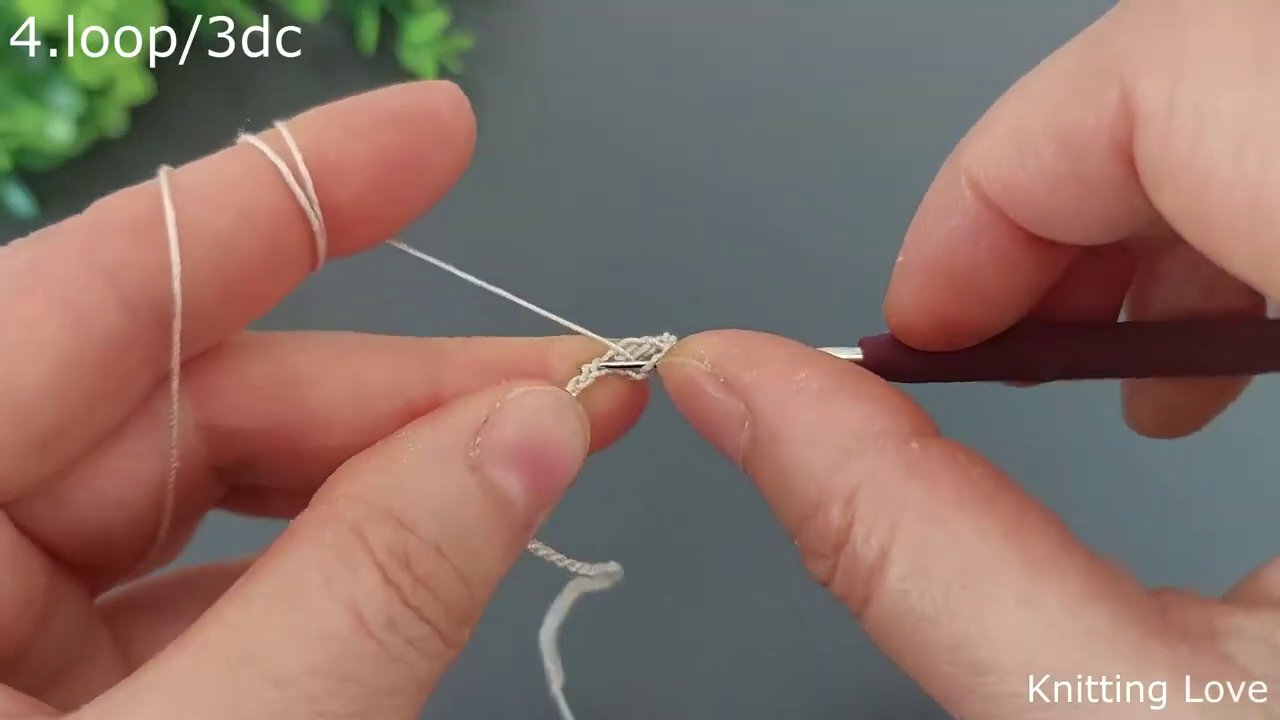
As the video progresses, the watermark changes. Now it reads “5dc.” This is where the pattern starts to shift. Instead of seven double crochets, you’re working five. The camera stays on the hands, and you can see the hook moving through the stitches with practiced ease.
Why five instead of seven? This is the beginning of the pattern repeat. The stitch count is decreasing to create a shape — likely a scallop or a fan. The five double crochets sit neatly in the center of the previous row, forming a compact block that contrasts with the open chains coming next.
This is where things get interesting. If you’ve ever crocheted a shell stitch, you’ll recognize the logic. A group of stitches clustered together creates visual weight, while chains create space. The back-and-forth between solid and open is what gives lace its character.
Opening Up: Five Chains, Three Double Crochets, Five Chains
The next watermark reads “5ch+3dc+5ch.” This is the heart of the pattern. You chain five, work three double crochets into the center of the previous group, then chain five again. The result is a symmetrical shape — two open wings of chains flanking a small cluster of double crochets.
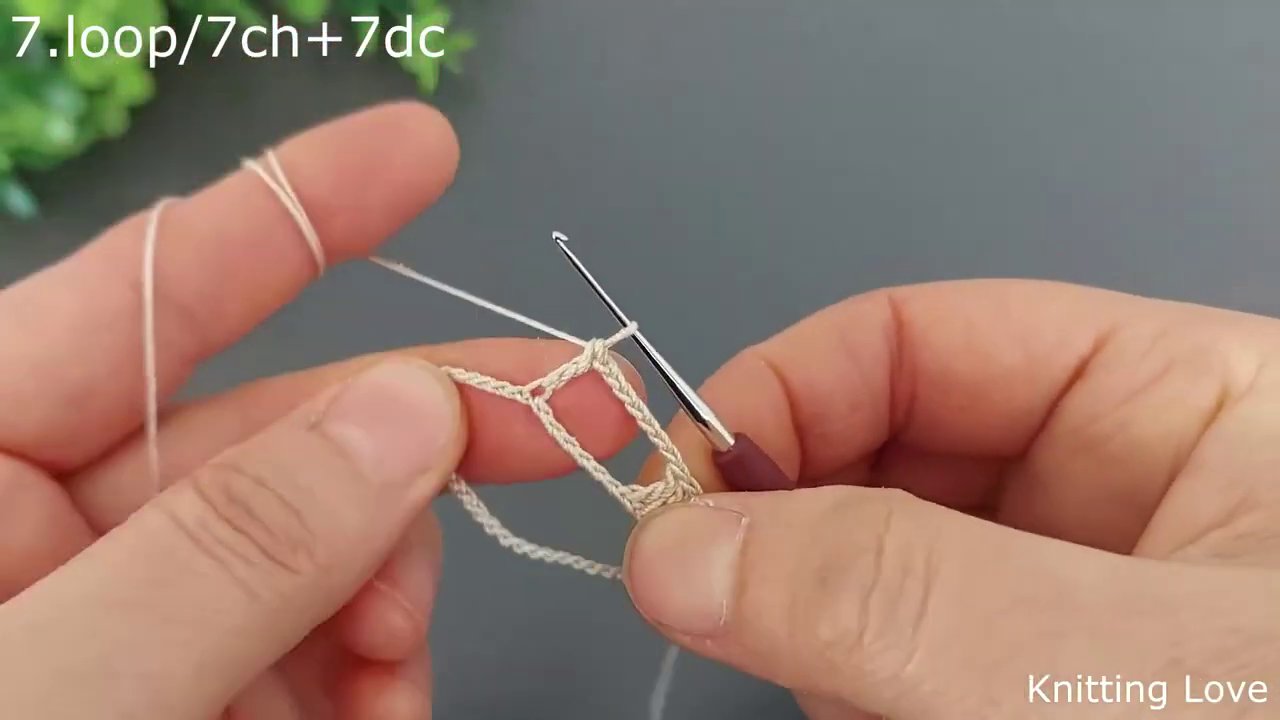
Watch how the fabric changes. Where it was once dense, it’s now airy. The chains create gaps that let light through. This is the kind of stitch pattern that works beautifully for a summer shawl or a baby blanket where you want breathability.
If you’re following along, pay attention to where you insert the hook for those three double crochets. The video shows the hook going into the center of the previous five-dc group, right between the second and third stitches. That center placement keeps the pattern symmetrical. Miss it by a stitch, and the whole repeat shifts off-kilter.
A Single Double Crochet
Then comes a moment that might seem out of place. The watermark reads “1dc.” Just one double crochet. After the five-chain, three-dc, five-chain sequence, you work a single double crochet. This acts as a spacer or a turning point in the pattern.
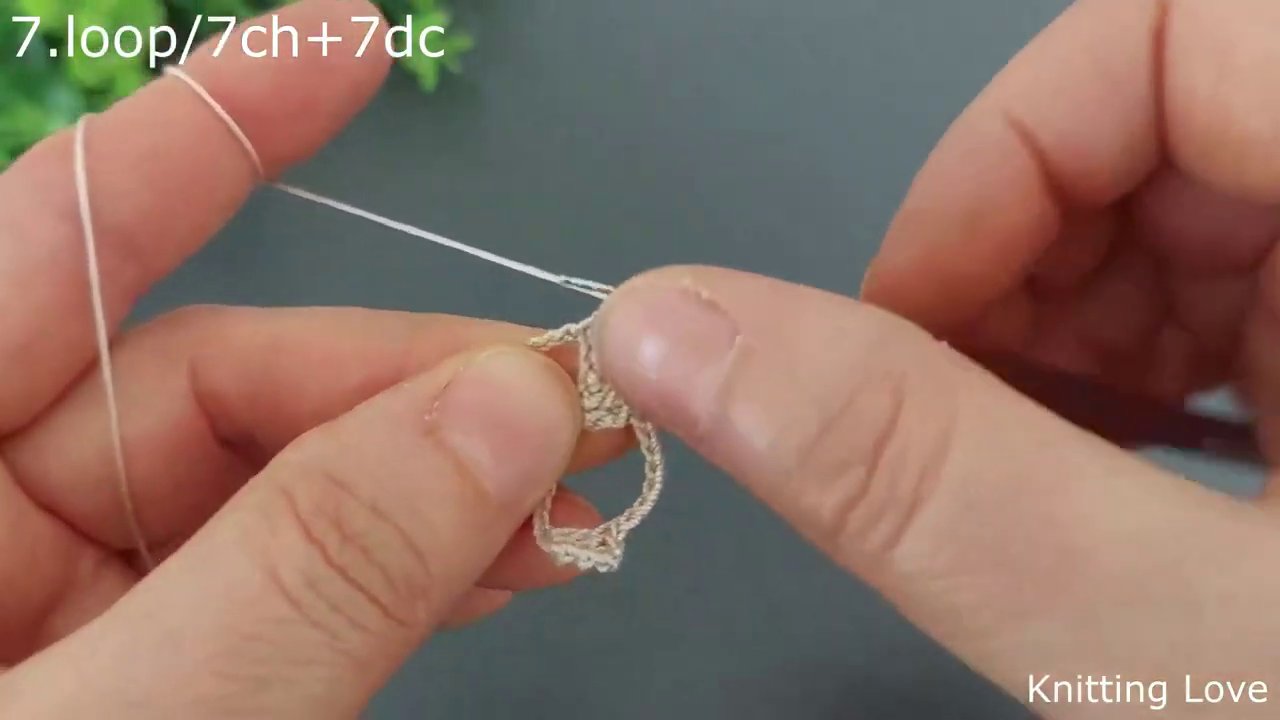
It’s not quite that simple, though. That single double crochet isn’t just floating in space. It’s worked into the top of a chain from the previous row, likely the fifth chain of the five-chain loop. The video shows the hook going into that specific spot, pulling the yarn through, and completing the stitch. This single stitch separates the repeats, giving the pattern breathing room before the next scallop begins.
For anyone who’s struggled with lace patterns, this is the kind of detail that makes or breaks the project. Missing that single double crochet can collapse the whole structure. But once you see it done, it clicks.
The Repeat: Five Chains, One Double Crochet, Five Chains
The pattern loops back. The next watermark reads “5ch+1dc+5ch.” This mirrors the earlier sequence but swaps the three double crochets for a single one. Now you chain five, work one double crochet into the center of the previous three-dc group, then chain five again.
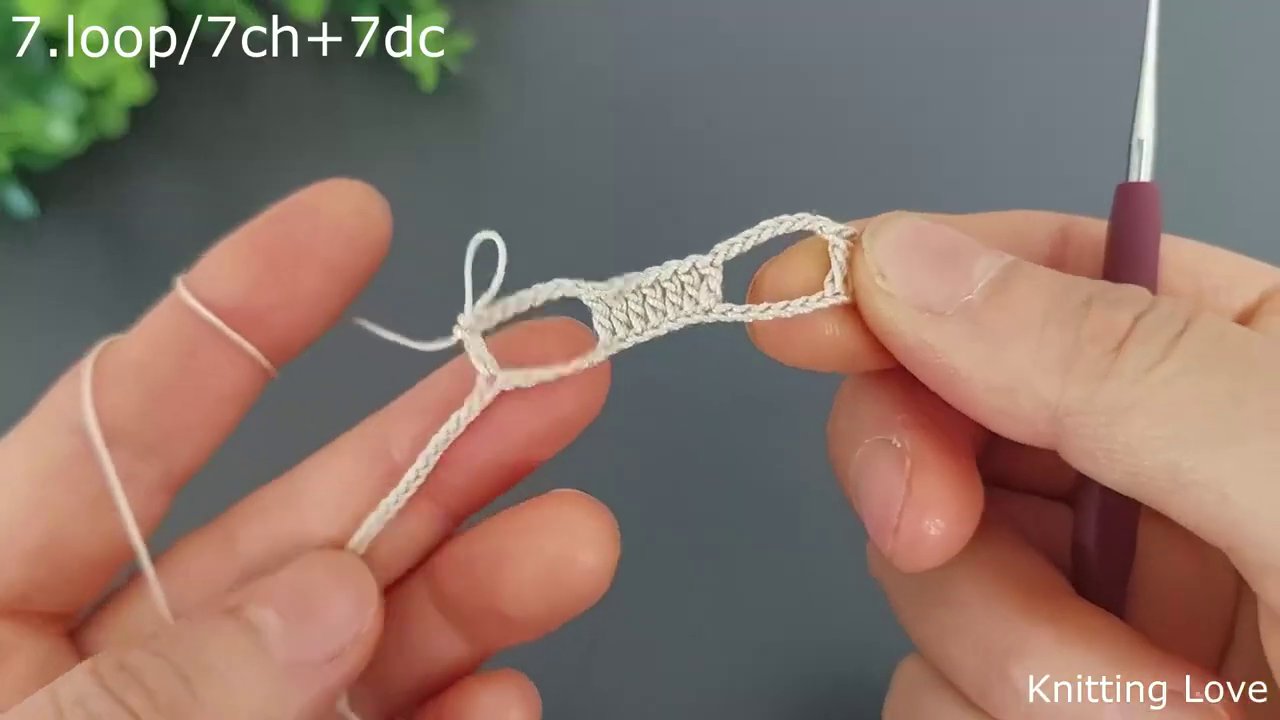
This creates a more open center. Where the three-dc cluster was solid, the single double crochet is just a tiny anchor point. The chains on either side stretch out, forming a large V-shape or diamond. The overall effect is a fabric that feels light and drapey, almost like netting.
If you’re making a scarf or a wrap, this is where the pattern starts to shine. The open spaces mean the fabric won’t be heavy, and the single double crochet keeps everything connected without adding bulk.
Putting It All Together
So what does the full pattern look like? Based on the video, it’s a two-row repeat:
- Row 1: Chain 7, then work 7 double crochets into those chains. Then work 5 double crochets into the center of the previous group.
- Row 2: Chain 5, work 3 double crochets, chain 5. Then work a single double crochet. Then chain 5, work 1 double crochet, chain 5.
The pattern alternates between the three-dc cluster and the single-dc spacer, creating a rhythmic back-and-forth. The chains on either side keep the fabric open and airy.
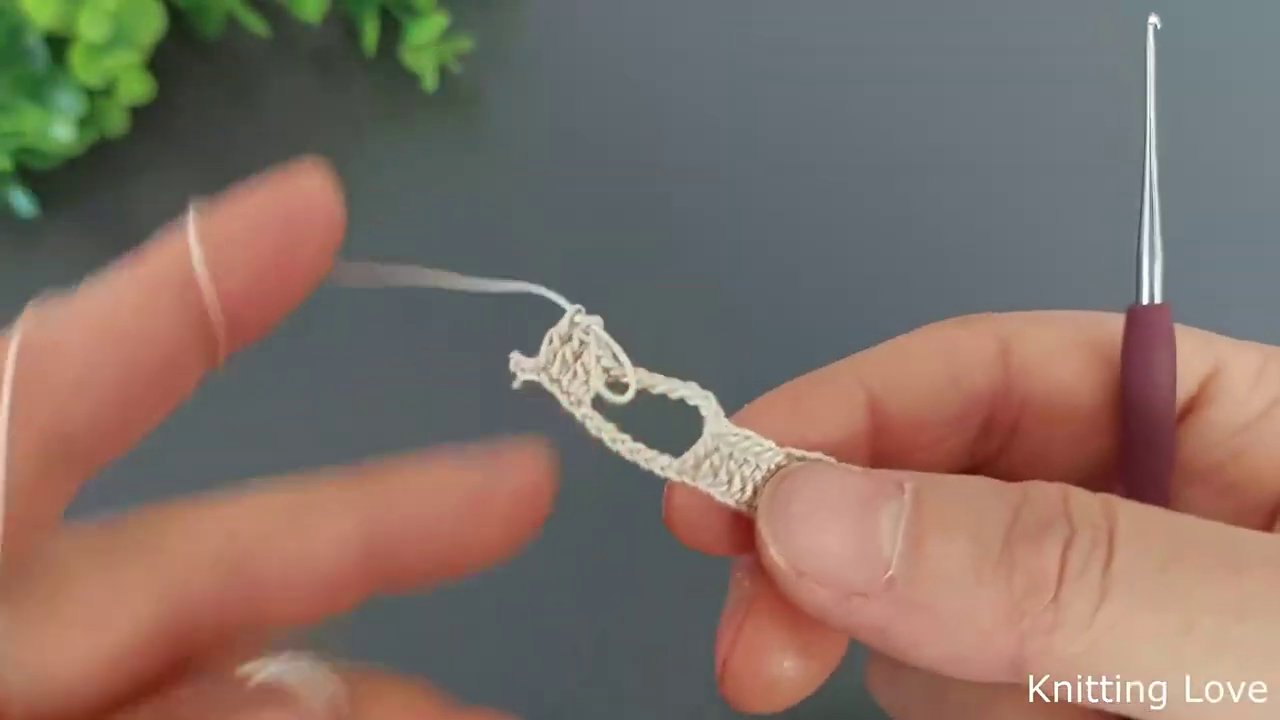
This isn’t a pattern you’d use for a dense winter sweater. But for a lightweight summer top, a lacy scarf, or a decorative throw, it’s perfect. The open structure means it works up quickly, too — fewer stitches per row compared to a solid fabric.
If you’re interested in other projects that use similar open stitches, you might enjoy the Pink V-Stitch Baby Throw in Lion Brand Babysoft Prints, which uses a V-stitch pattern for a light, airy baby blanket. Or check out the Crochet Dishcloths pattern in Paintbox Yarns Recycled Cotton Worsted for a different take on working with chains and double crochets.
Tips for Working This Stitch
A few things to keep in mind if you decide to try this pattern:
- Count your chains carefully. The five-chain loops are easy to miscount, especially when you’re in a rhythm. A missing chain can throw off the whole row.
- Watch your tension on the chains. If you chain too tightly, the loops will pull in and the fabric won’t lie flat. If you chain too loosely, the stitches look sloppy. The video shows a nice, even tension — aim for that.
- Use a hook that matches your yarn weight. The video doesn’t specify the yarn or hook size, but the stitches look like they’re worked in a sport or DK weight yarn with a 4mm or 4.5mm hook. Adjust as needed for your project.
- Block the finished piece. Lace patterns really come to life after blocking. The chains relax, the stitches open up, and the whole fabric looks more polished. A quick steam or wet block makes a noticeable difference.
Why This Pattern Works
There’s a reason lace patterns like this one have been around for generations. They’re versatile. Change the yarn weight and hook size, and you can go from a delicate doily to a chunky throw. The structure is simple enough for an intermediate crocheter but produces results that look more complex than they are.
The video tutorial keeps things straightforward — no fluff, no extra commentary. Just hands, hook, and yarn, with watermarks to guide you through each step. If you’ve been looking for a pattern that adds texture and interest without endless counting, this is worth trying.
And if you want to practice on something small before committing to a full blanket, the Monster Keychain pattern is a fun way to work on your stitch control in a quick project.
Key Takeaways
- This pattern uses a repeat of chains and double crochets to create an open, lacy fabric.
- The key stitch groups are 5dc, 5ch+3dc+5ch, 1dc, and 5ch+1dc+5ch.
- Even tension on chains is critical for a flat, professional-looking result.
- Blocking the finished piece will open up the lace and make the pattern shine.
- The pattern is suitable for scarves, shawls, blankets, and lightweight garments.
Grab your hook and some yarn, and give it a try. You might surprise yourself with how quickly the rhythm clicks.