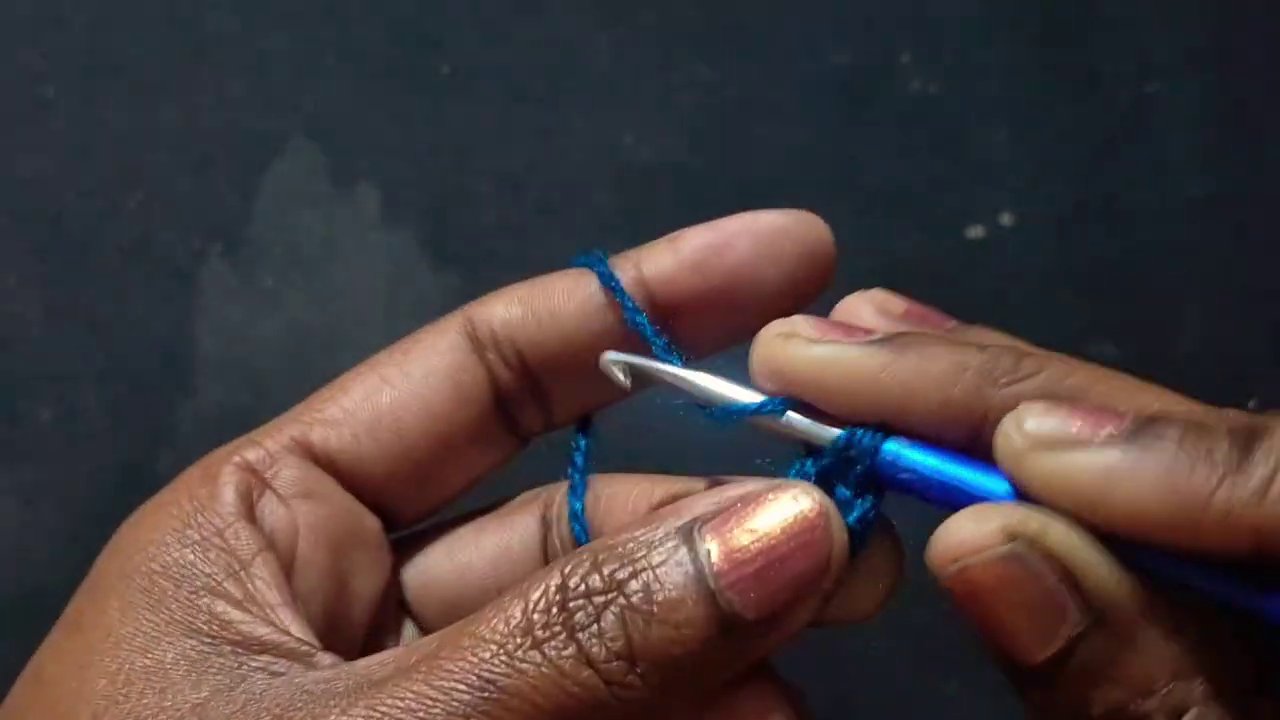
If you’ve ever sat down with a hook and yarn, you know the rhythm. Chain one, yarn over, pull through. Chain two, yarn over, pull through. Repeat until your hand cramps or your project grows. There’s a peculiar kind of magic in the monotony — the way a single stitch, repeated hundreds of times, transforms into something solid and real. The transcript I’m working from is essentially a log of that process: a long, looping list of “25 Chains,” “30 Chains,” and the occasional “1 Double Crochet.” It’s not a pattern with clever names or intricate color changes. It’s just the raw, honest skeleton of someone making something stitch by stitch.
But here’s the thing: that’s exactly what crochet is. It’s not always about fancy stitches or complicated charts. Sometimes it’s about sitting down with a simple plan and letting your hands do the work. This article is for anyone who’s ever wondered what it looks like when you strip crochet down to its bare bones — or who wants to try a project that’s meditative, repetitive, and deeply satisfying.
The Rhythm of Repetition
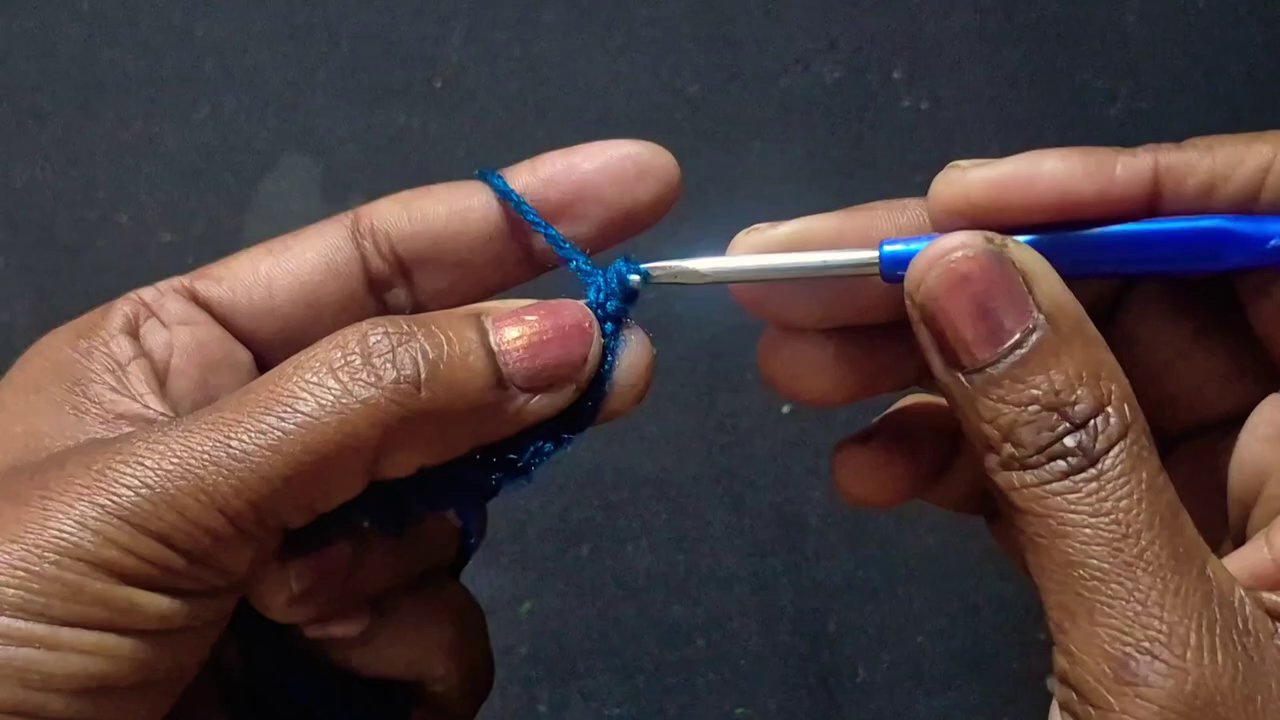
The transcript starts with “25 Chains” — and then it says it again. And again. And again. For the first minute or so, it’s just chains, over and over. You might think, “That’s boring,” and in a way, you’d be right. But there’s a reason so many crocheters love working with chains. They’re the foundation of almost everything we make. A chain is the first stitch most of us learn, and it never really loses its charm. There’s something calming about the motion: hook in, yarn over, pull through. Hook in, yarn over, pull through. Your hands find a groove, your mind drifts, and before you know it, you’ve got a long, even line of loops.
What’s interesting here is the shift. After the initial run of 25-chain repeats, the transcript shows “1-2 Chains,” then “2 Chains,” then “1 Double Crochet.” It’s like the maker paused, took a breath, and decided to change things up. That double crochet — just one stitch — breaks the pattern. It’s a small variation, but it shows that even in a repetitive project, there’s room for decision-making. You’re not a machine. You’re a person with a hook, and you get to choose when to speed up, slow down, or add a little twist.
If you’re new to crochet, this kind of pattern can feel intimidating. But honestly? It’s a great way to build muscle memory. You don’t have to think about complex increases or decreases. You just chain, chain, chain, and occasionally throw in a double crochet to remind yourself that you’re in control.
When 25 Becomes 30
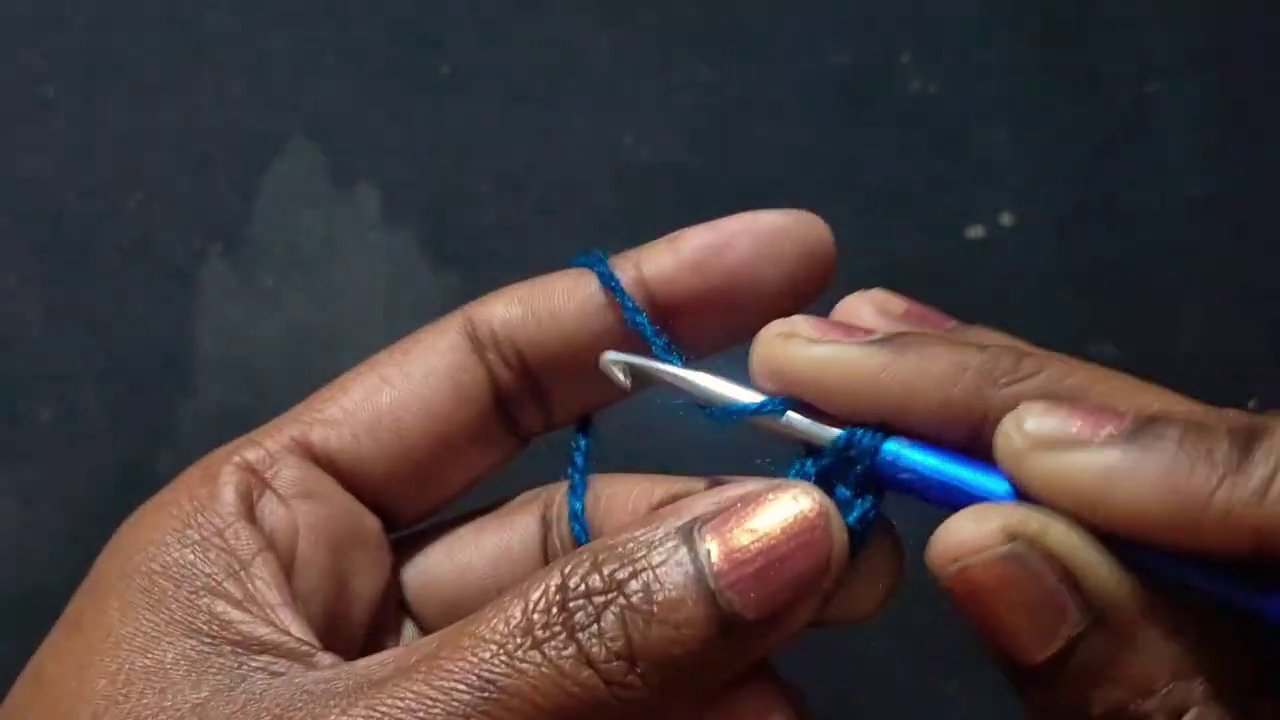
Around the 69-second mark, something changes. The chains jump from 25 to 30. It’s a subtle difference — just five extra loops — but it shifts the whole feel of the work. Suddenly, the rows are longer. The project is growing. That extra five chains might not seem like much, but if you’re making something like a scarf or a blanket, those five stitches add up fast. Over the course of dozens of rows, you’re talking about significant width.
What I love about this transcript is how honest it is. There’s no fancy terminology, no abbreviations that require a decoder ring. It’s just someone counting out loud, keeping track of their progress. “30 Chains” appears over and over, sometimes for minutes at a time. It’s the kind of thing you’d hear if you sat next to a crocheter at a coffee shop and they were muttering their stitch count under their breath. It’s real.
This section of the project — the long stretch of 30-chain rows — is where the meditation kicks in. Your hands know what to do. Your eyes might wander to a TV show or a podcast. But your fingers keep moving, pulling yarn through loops, building fabric inch by inch. There’s a reason crochet is often recommended for stress relief. The repetitive motion, the tactile feedback, the quiet satisfaction of watching something grow — it’s good for the soul.
The Double Crochet Interlude
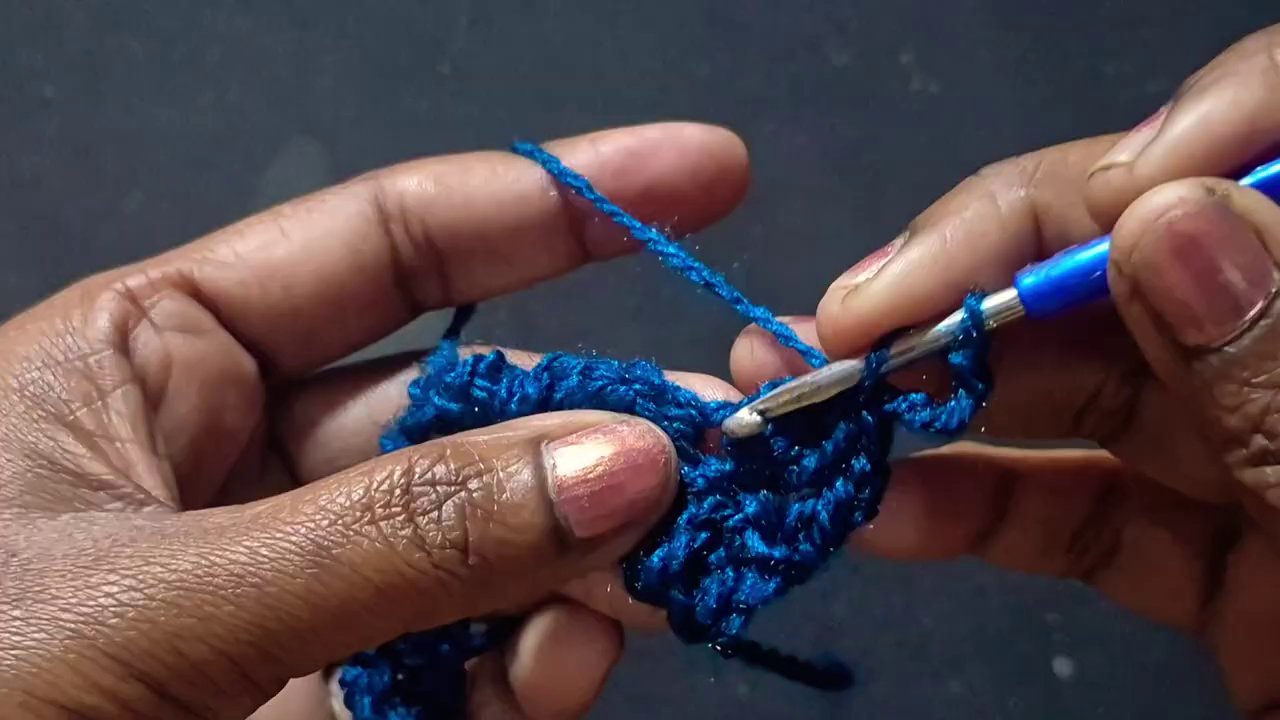
Scattered through the transcript are moments where the maker stops chaining and does a double crochet instead. It’s like a breather — a single stitch that stands out from the crowd. In the middle of all those chains, a double crochet feels like a punctuation mark. It’s taller, looser, and changes the texture of the fabric.
If you’re following a pattern that’s mostly chains, adding a double crochet here and there can create a subtle texture. Maybe it’s the start of a new section. Maybe it’s a marker for where you’ll add a border later. Or maybe it’s just the maker’s way of breaking the monotony. Whatever the reason, it’s a reminder that crochet is flexible. You can improvise. You can add a stitch just because you feel like it.
For anyone who’s ever felt stuck in a pattern — like you’re just following instructions without any creativity — this is permission to play. Try throwing in a double crochet where you’d normally chain. See how it changes the drape. See if you like the look. The worst that happens is you frog it and try again.
The Long Stretch
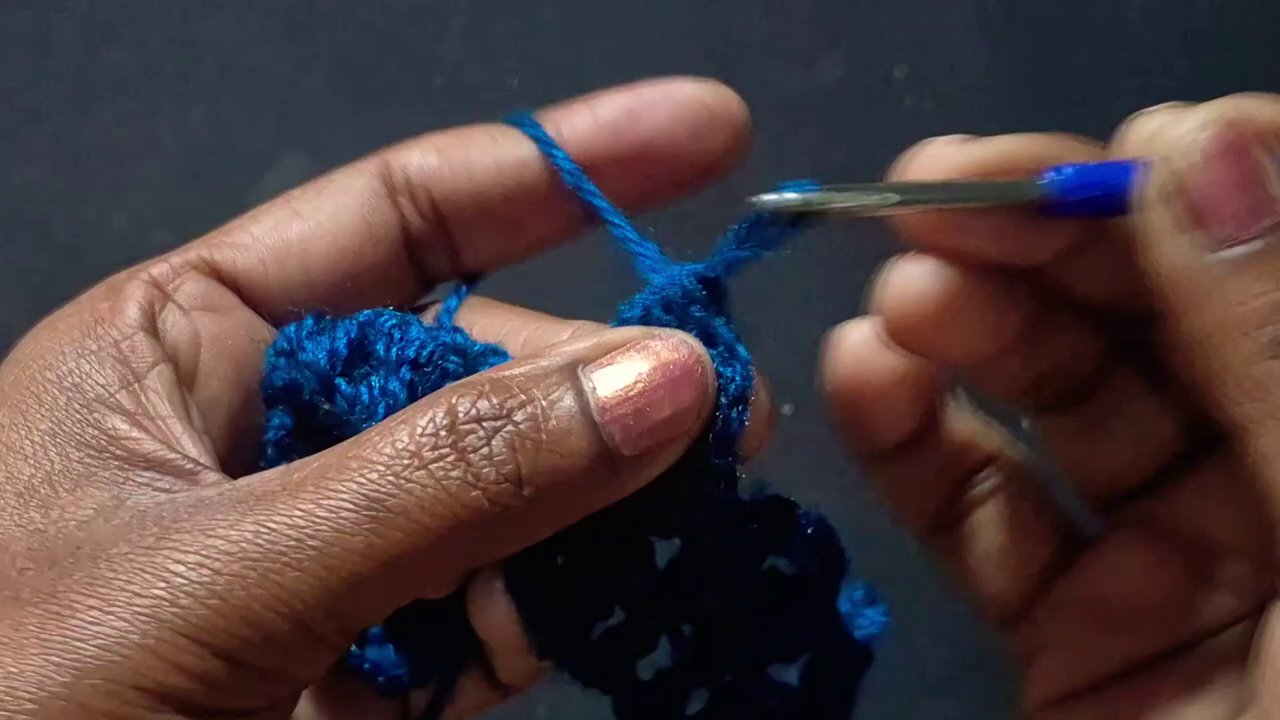
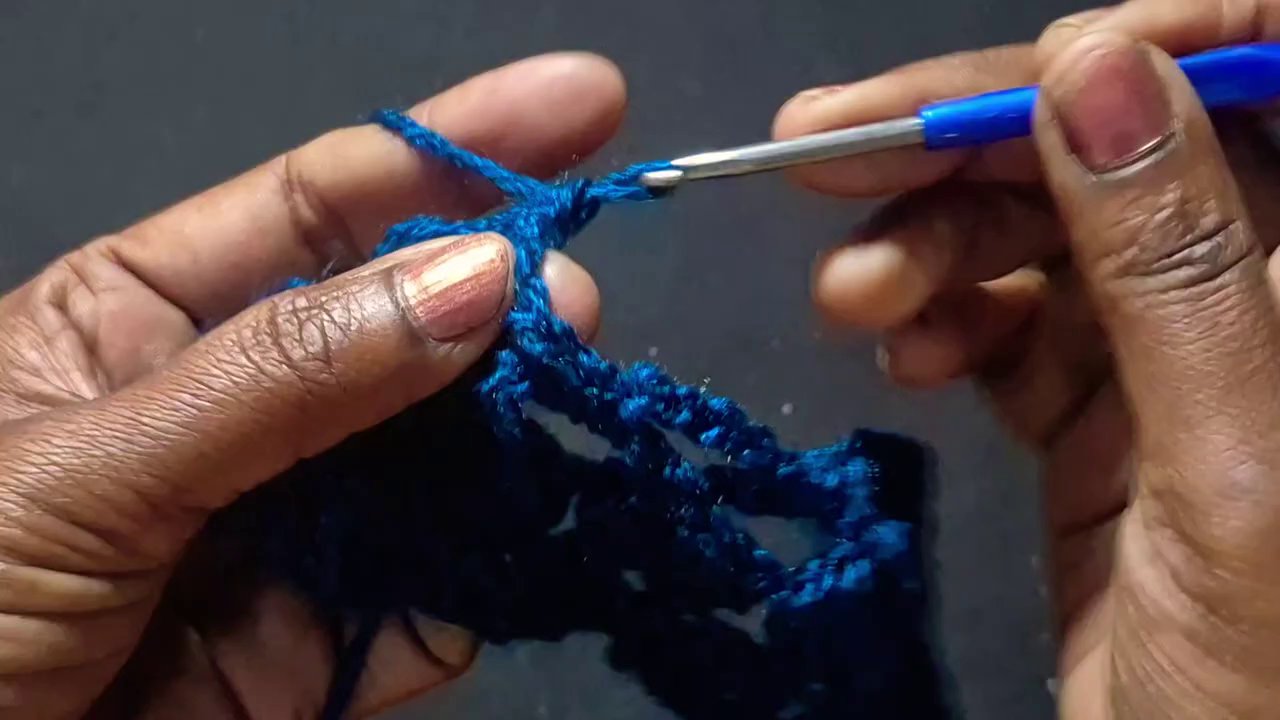
From about the 100-second mark to the end of the transcript, it’s almost nothing but “30 Chains.” Over and over. Row after row. It’s a marathon of repetition. And honestly? That’s where the real work happens. The first few rows are exciting — you’re starting something new, the yarn is fresh, the possibilities are endless. But by row fifty or sixty, it’s a grind. Your hands are tired. Your tension might be off. You start wondering if you’ll ever finish.
But you keep going. That’s the secret to crochet. You keep going even when it’s boring. Even when your wrist aches. Even when you realize you miscounted three rows back and have to decide whether to fix it or pretend it’s a design feature. The long stretch is where you prove to yourself that you can finish what you started.
And then, at the very end, there’s one more “30 Chains.” The last one. The final stitch. You weave in the ends, snip the yarn, and hold up your finished piece. It might not be perfect. Maybe your edges are a little wobbly. Maybe the tension changed halfway through. But it’s yours. You made it, stitch by stitch, chain by chain, from a pile of yarn into something real.
What This Transcript Teaches Us
So what can we learn from a transcript that’s mostly just “30 Chains”? A few things.
First, crochet is accessible. You don’t need a complicated pattern to make something beautiful. A simple chain-based project can be just as rewarding as an intricate lace shawl. Second, repetition is a skill. Learning to sit with the monotony, to find joy in the rhythm, is part of becoming a better maker. And third, the small variations matter. That single double crochet, those moments where the chain count changes — they’re the details that make your work unique.
If you’re looking for a project to practice your foundation chains, or if you just want something mindless to work on while you watch a movie, try a chain-only project. Make a scarf. Make a bookmark. Make a long, thin piece that you can turn into a belt or a bag strap. Count your chains. Let your mind wander. And when you’re done, admire what you’ve built from nothing but loops.
Final Thoughts
I won’t pretend this transcript is the most exciting crochet content I’ve ever seen. But there’s something honest about it. It’s not trying to be flashy. It’s not selling you a complicated technique. It’s just a record of someone making something, one stitch at a time. And that’s kind of beautiful.
So next time you pick up your hook, remember: it doesn’t have to be fancy. It just has to be yours. Chain by chain, row by row, you’re creating something that didn’t exist before. That’s the real magic of crochet.