There’s something special about scrolling through crochet patterns, imagining the finished piece taking shape in your hands. Whether you’re drawn to amigurumi animals, cozy blankets, or practical dishcloths, the right pattern can make all the difference between a project you love and one that sits unfinished in a bag somewhere.
But with so many patterns available online, how do you find the ones worth your time and yarn? I’ve spent countless hours testing patterns, and I’ve learned a few things about what separates a good pattern from a frustrating one.
What Makes a Pattern Worth Making
A great pattern starts with clear instructions. You shouldn’t have to guess what the designer meant or fill in gaps with your own assumptions. The best patterns spell out stitch counts at the end of each round, include notes on where to place increases, and use standard terminology consistently.
Material lists matter too. When a pattern tells you exactly which yarn weight and hook size work best, you can replicate the designer’s results. That doesn’t mean you can’t substitute — but knowing what the original used gives you a solid starting point.
I’ve noticed that patterns from experienced designers tend to include helpful extras: photos of tricky steps, tips for getting consistent tension, and suggestions for customization. These small touches show that someone actually tested the pattern and thought about what might trip up a maker.
Starting with Something Simple
If you’re newer to crochet, or even if you’re experienced but want a quick win, small projects are where it’s at. Monster Keychain patterns make excellent starter amigurumi. They work up fast, use minimal yarn, and give you immediate satisfaction. Plus, they’re great for using up scraps from larger projects.
The key with small projects is that they let you practice techniques without committing to something overwhelming. Want to try working in the round? Make a tiny monster. Curious about color changes? A small keychain is the perfect test piece. If something goes wrong, you’re only out an hour or two, not a week’s worth of work.
Moving Up to Plushies and Animals
Once you’ve got the basics down, amigurumi animals open up a whole world of possibilities. Crochet plush frog patterns are particularly popular right now, and for good reason. Frogs have simple shapes that translate well into crochet, and their big eyes and chubby bodies make them instantly adorable.
What I love about animal patterns is how much personality you can pack into a small piece. Changing the eye placement by just a few stitches transforms a frog from sleepy to surprised. Adding a little blush or a tiny accessory makes each one unique. The best patterns give you room to play while still providing a solid framework.
Baby crab patterns are another fantastic option for intermediate makers. Crabs have interesting shapes with their claws and legs, but they’re still manageable enough to finish in a weekend. The construction teaches you about attaching limbs and working with multiple pieces, skills that carry over into more complex projects.
Practical Projects for Everyday Use
Not every crochet project needs to be a toy or decoration. Some of my favorite patterns are for things I actually use around the house. Crochet dishcloths are the perfect example — they’re functional, fast to make, and let you try out different stitch patterns without a huge time investment.
Cotton yarn works best for dishcloths because it’s absorbent and holds up to frequent washing. Recycled cotton options are especially nice if you’re trying to make more sustainable choices with your crafting. The texture of a well-made dishcloth is surprisingly satisfying, and they make thoughtful handmade gifts that people actually use.
Blankets are another category where practical meets beautiful. The Double Diamond Blanket pattern uses a repeating geometric design that looks much more complex than it actually is. Baby blanket size works up relatively quickly, and the soft acrylic yarn makes it machine washable — essential for anything intended for little ones.
When You Want Something Wearable
Garments can feel intimidating, but they don’t have to be. The Mottled Shade Sweater is a great entry point for crochet clothing. It uses a 4-ply cotton yarn that gives beautiful stitch definition, and the construction is straightforward enough for someone who’s comfortable with basic stitches and following a pattern.
What makes this pattern work is that it doesn’t try to do too much. The mottled yarn does the heavy lifting in terms of visual interest, so the stitch pattern can stay simple. That’s a smart design choice — it lets the materials shine while keeping the making process accessible.
Understanding Pattern Formats
Patterns come in different formats, and knowing what you’re getting helps set expectations. Some designers offer free patterns on their blogs or sites like this one, supported by ads. Others sell detailed PDFs with step-by-step photos and multiple size options.
Free patterns are great for trying out a designer’s style before committing to a purchase. But paid patterns often include extras like video tutorials, larger size ranges, and more thorough testing. Neither is better — it depends on what you need for a particular project.
I always check the comments or reviews on a pattern before starting. Other makers will often mention if the sizing runs small, if the yarn substitution they tried worked well, or if there’s a tricky step that could use clarification. This crowd-sourced knowledge saves time and frustration.
Troubleshooting Common Pattern Problems
Even the best patterns can give you trouble sometimes. Here are a few issues I’ve run into and how to handle them:
Gauge mismatches are the most common problem, especially with wearables. Take the time to make a gauge swatch and block it before starting. It feels like wasted time, but it beats finishing a sweater that doesn’t fit.
Unclear stitch placement happens more than it should. If a pattern says “work 3 sc in next st” and you’re not sure whether that means into the same stitch or across three stitches, look at the stitch count at the end of the row. That number usually tells you what the designer intended.
Missing information about joining rounds or turning chains can trip you up. When in doubt, check the pattern notes — many designers include a section explaining their conventions at the beginning or end of the pattern.
Making Patterns Your Own
Once you’re comfortable following patterns, the real fun begins. Substituting yarns, changing colors, adjusting sizes — these are the skills that turn you from a pattern follower into a designer in your own right.
Start small. Swap the colors in a pattern you’ve already made successfully. Try a different yarn weight with an appropriate hook adjustment. Add a border or change the edging on a blanket. Each modification builds your confidence and your understanding of how crochet construction works.
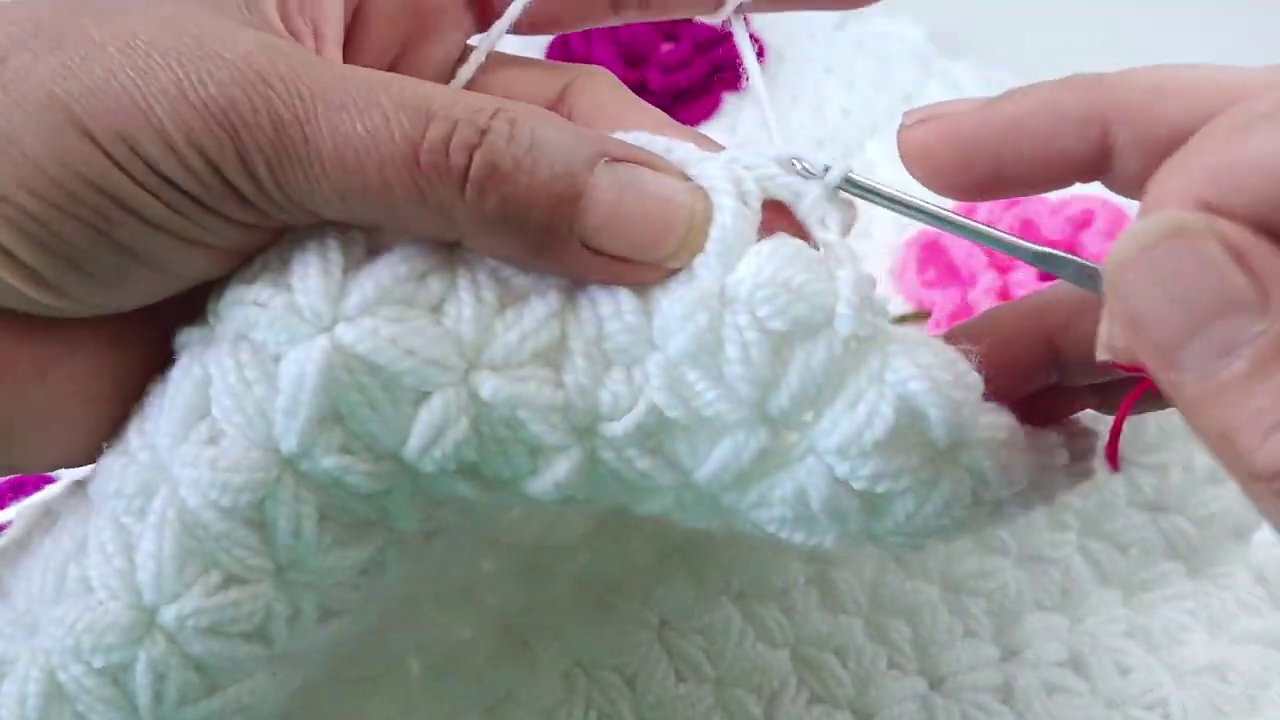
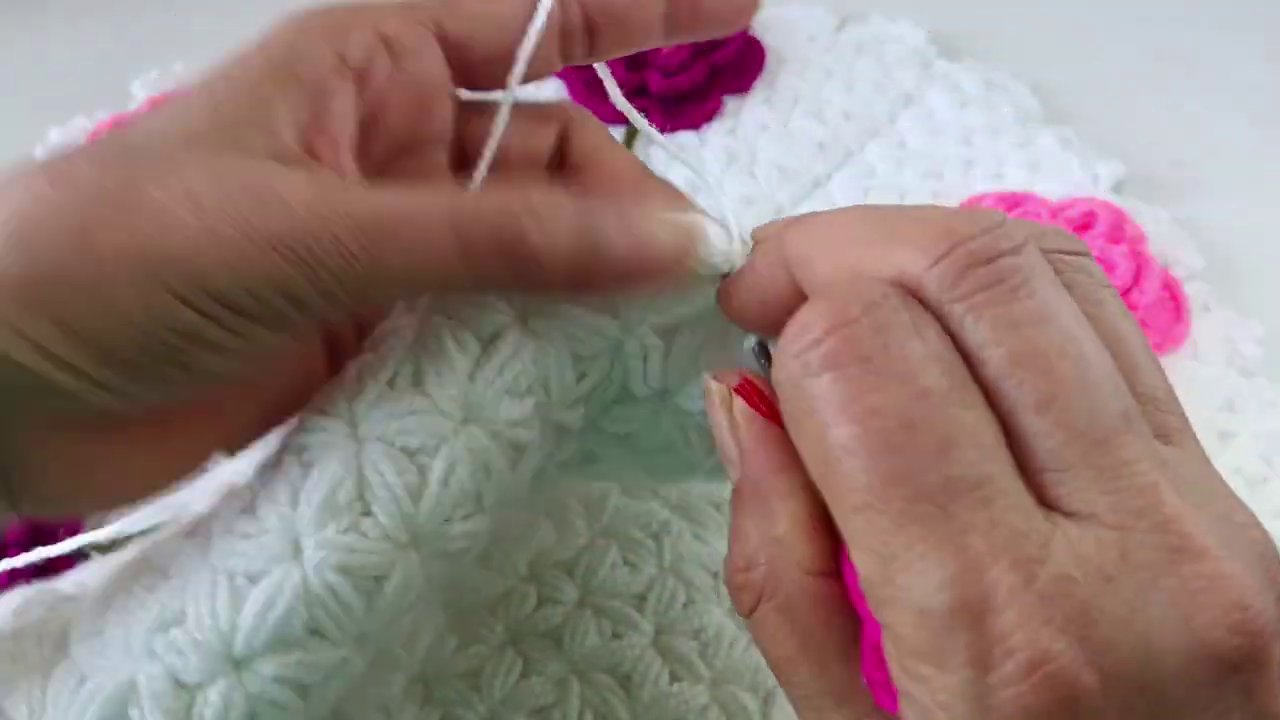
Some of my most satisfying projects started with a pattern I adapted rather than followed exactly. The jellyfish babies pattern is a good example — the basic shape is simple, but you can customize the tentacle length, add sparkly yarn, or change the color palette to create something completely different each time.
Building Your Pattern Collection
Over time, you’ll develop preferences for certain designers and pattern styles. That’s natural. I keep a folder of favorites that I return to again and again, and I’m always on the lookout for new ones that catch my eye.
The patterns available on this site cover a good range of skill levels and project types. Whether you’re making biscuits for a play kitchen, a Shrek amigurumi for a fan, or a V-stitch baby throw for a new arrival, having a reliable source for patterns makes the process smoother.
The Real Joy of Crochet
At the end of the day, patterns are tools. They guide us, teach us new techniques, and help us create things we might not have imagined on our own. But the real joy comes from the making — the rhythm of the stitches, the feel of the yarn, the satisfaction of watching something take shape under your hands.
The best patterns are the ones that let you lose yourself in that process. They’re clear enough to follow without constant frustration, but flexible enough to leave room for your own creative choices. When you find patterns like that, hold onto them. Make them more than once. Share them with friends.
And when you’re ready for your next project, you’ll know exactly where to look.