You see something cute — a sweater, a bag, a stuffed animal — and your first thought is, I want to make that. Then the doubt creeps in: But I don’t have a pattern. You’ve got yarn, a hook, and maybe only know how to make a chain stitch that looks suspiciously like a french fry.
Here’s the thing: you don’t need someone else’s pattern to make what you want. You just need a different way of thinking.
Find Your Inspo Anywhere
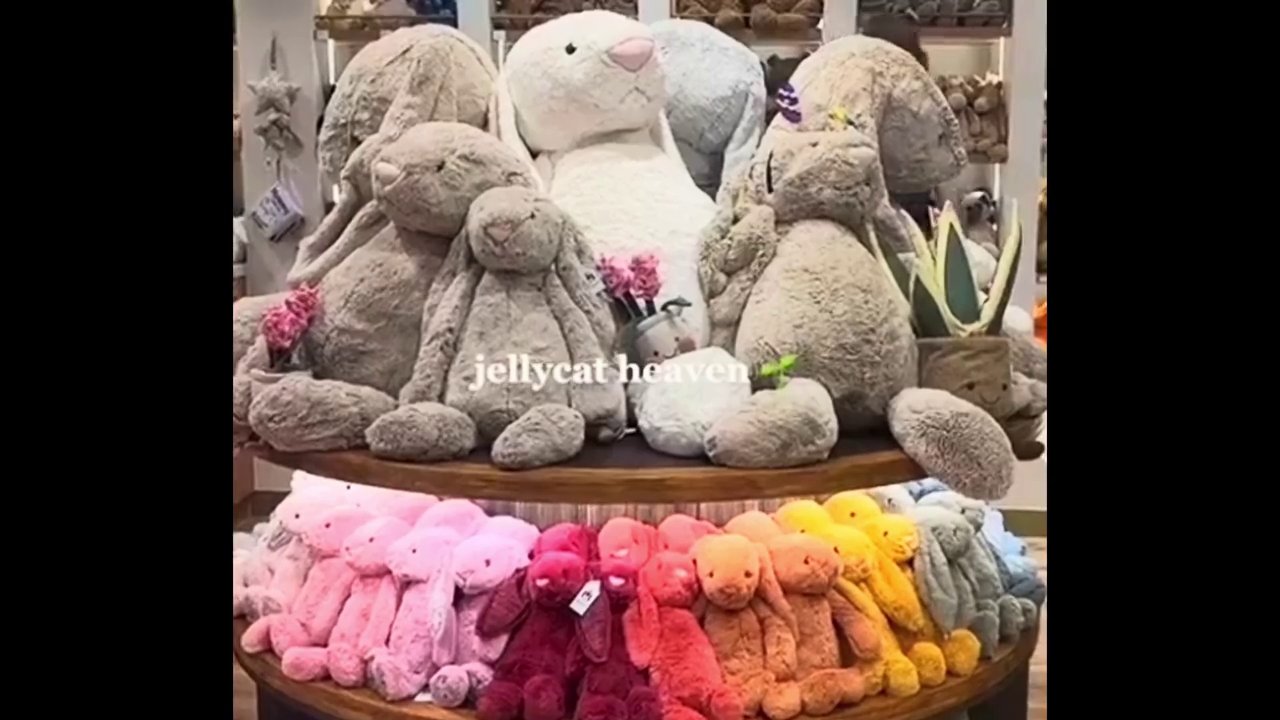
When I want to make something new, I don’t start by searching for crochet patterns. I start by looking at what already exists in the world that I love. For a top, I’ll scroll through American Eagle or Shein. For a bag, I’ll browse Coach or Gucci. For room decor, I’m on Pinterest. For stuffed animals? Jellycat. The point is to find the thing — not the crochet version of it.
You see a sweater with a cool silhouette. You see a bag with a unique shape. It’s never been crocheted before. So what? You can make a crochet version. You’re not copying the item itself — you’re translating it into yarn.
This is where the fun begins.
Steal Like an Artist (But Don’t Get Canceled)
Look, I’m going to be honest. The first thing I do when I want to make a pattern is look at what other people have already made. That’s not stealing — it’s research. Filmmakers pull inspiration from movies from the 1920s. Musicians sample old records. Crocheters can do the same.
The key is to find a basic pattern that’s close to what you want, then tweak it. Want a solid sweater with stripes? Find a basic sweater pattern and combine it with a tutorial on changing colors. Want a heart in the middle? Learn tapestry crochet. You’re not copying one single thing — you’re mixing and matching techniques from different sources to build your own recipe.

If you’re making a stuffed animal, find a pattern that’s similar in shape. Then think about how to change it mathematically. Most amigurumi follows a simple formula: start with six stitches, increase by six each round, then decrease the same way. Once you see that pattern, you can scale anything up or down.
When There’s Nothing Similar — Think Like an Engineer
Sometimes you can’t find anything close to what you want. That’s when you have to tap into your inner inventor. You’re not just a crocheter now — you’re an engineer with a hook.
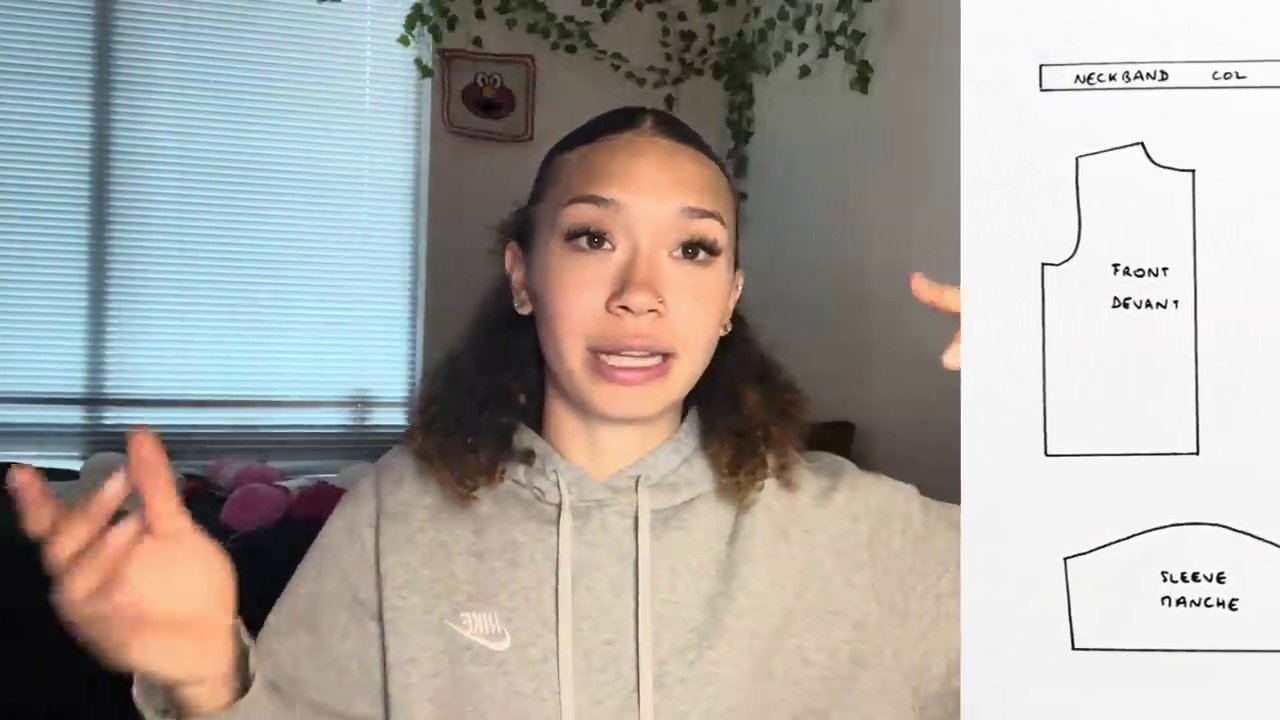
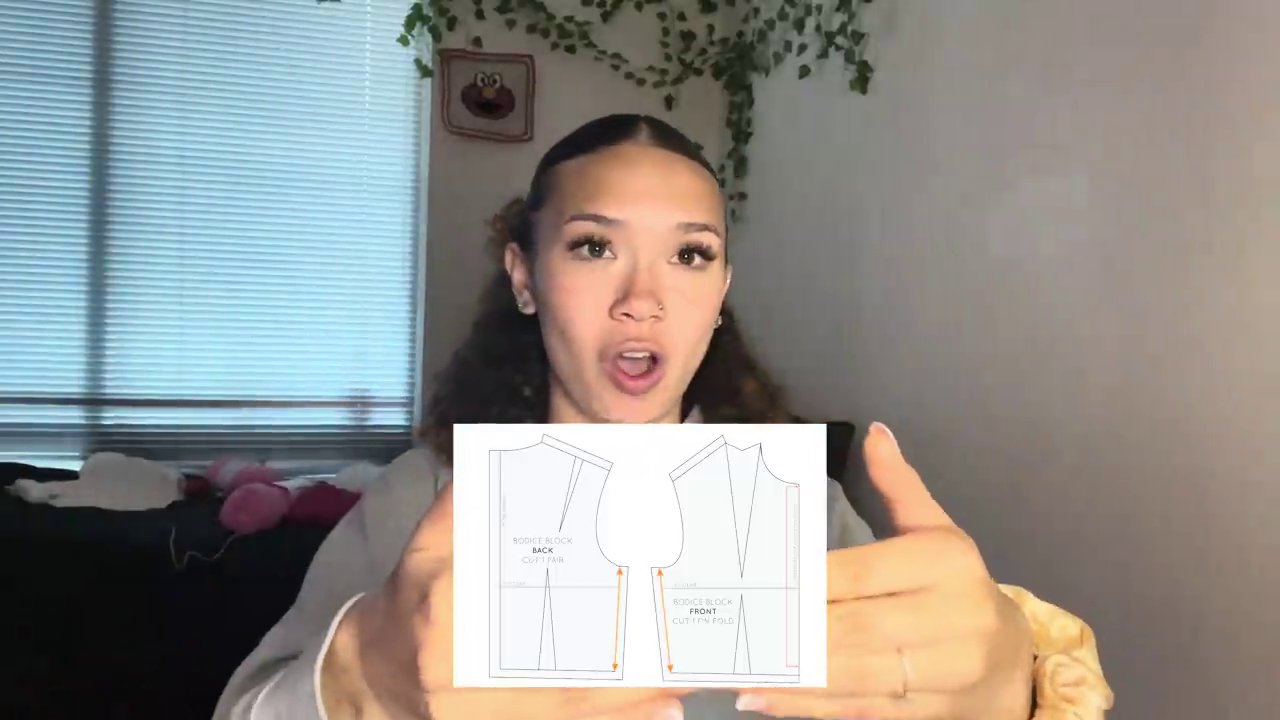
One trick I love: take a sewing pattern and crochet the pieces instead of cutting fabric. Sewing patterns give you the shape and dimensions. You just have to crochet those shapes using increases and decreases to match the curve. Then sew them together like you would with fabric.
For example, I wanted to make shorts that actually fit. Most crochet shorts are the same shape front and back — which doesn’t work for anyone who has, you know, a butt. But sewing patterns for pants have a different curve for the back panel. So I used a sewing pattern as my guide, crocheted the front and back panels separately with the right shaping, and sewed them together. Perfect fit.
This approach works for sweaters, bags, plushies — anything. Once you start seeing the underlying structure, you realize that knitting, sewing, and crochet are all making the same thing using different methods. Borrow from all of them.
Learn the Building Blocks
You don’t need to know every stitch in the book. But learning a handful of key techniques will unlock thousands of possibilities.
- Basic shapes: How to make a rectangle, a circle, a triangle. These are the foundation of almost everything.
- Increases and decreases: These let you shape fabric. Want a curved sleeve? Increase. Want a tapered waist? Decrease.
- Color changes: Stripes, blocks, gradients — all just a yarn change away.
- Tapestry crochet: For patterns, letters, or images worked directly into the fabric.
- Different stitches: Once you know single crochet, double crochet, and half double, you can create texture just by swapping them out.
I once saw a cardigan that I absolutely needed to make. But I couldn’t find the pattern anywhere. So I broke it down: it had daisy squares and chevron stripes. I learned how to make a daisy square. I learned how to do chevron. I already knew how to construct a cardigan — front, back, sleeves. Combined them all, and boom. My own version.
It’s that simple. But it’s also not.
The Hard Truth: It Takes Practice
Let me be real with you. This does not happen overnight. You’re not going to look at a photo and magically know how to make it on your first try. There will be frogging. There will be wonky shapes. There will be moments where you wonder why you didn’t just buy the thing.
But the more you do it, the more you start to see the patterns — not pattern as in a printed document, but pattern as in the rhythm of stitches. The way a certain number of increases creates a curve. The way a decrease pulls fabric inward. The way a simple rectangle can become a bag, a scarf, or a sweater panel.
One way to train yourself: write down your process as you go. I’ll admit, I don’t always do this. Sometimes I just make it in my head and remember the numbers. But if you want to remake something or adjust it, writing it down is a lifesaver. It also helps you see your own growth. You’ll look back and realize how much you’ve learned.
If you’re feeling stuck, try starting with something small. A monster keychain is a perfect little project to practice shaping and color changes without committing to a sweater. Or if you’re in the mood for something cozy, a pink v-stitch baby throw lets you practice a repeating stitch pattern that builds into something beautiful.
Why This Matters
Crochet is not just about following instructions. It’s about originality. You take a strand of yarn — just a single thread — and turn it into something that has never existed before. That’s a secret power.
When you freehand something, when you combine techniques from different sources, when you tweak a pattern to fit your body or your style — you’re creating. And that feeling is different. It’s not the satisfaction of finishing a project. It’s the thrill of looking at something and thinking, This didn’t exist. I made this.
So go find your inspo. Look at the brands you already love. Steal ideas from sewing and knitting. Learn the building blocks. And then just try. Freehand a square. See what happens. Even if it’s ugly, you learned something.
The world of crochet is wide open. Everyone making their own variations, their own versions, their own weird little creations — that’s what makes it amazing. You have the potential to add to that.
Always grow your talents. Try new things. And if you make something you’re proud of, show it off. Because that thing you made? It’s yours. And no one else has one like it.