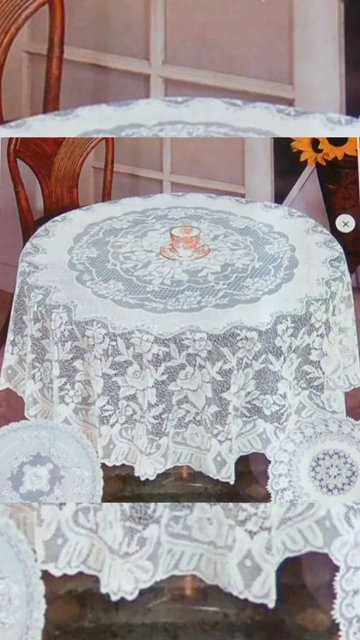
The Real Reason We Make Things
It’s easy to get caught up in what a finished object should look like. We scroll through social media, see flawless projects with perfect tension and neatly woven ends, and suddenly our own work feels inadequate. But here’s the thing nobody tells you: those perfect photos are the result of dozens of attempts, frogged rows, and moments of frustration.
What makes a project special isn’t how neatly it fits into a mold. It’s the feeling you had while making it. The satisfaction of watching a ball of yarn transform into something tangible. The quiet rhythm of stitches stacking on top of each other. That’s where the real magic lives.
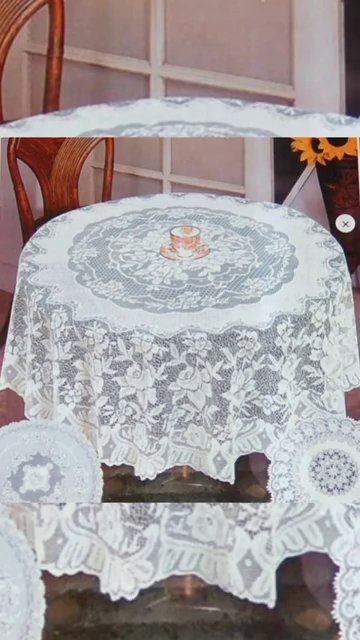
Letting Go of the Outcome
One of the hardest lessons in any craft is learning to enjoy the process without obsessing over the product. I’ve been guilty of ripping out entire projects because one stitch looked slightly off. But over time, I realized that those tiny imperfections are what make handmade items feel alive.
Think about it. A machine can produce identical items by the thousands. But a crochet hook in human hands? Every stitch carries a story. Maybe you were watching your favorite show while making that slightly uneven row. Maybe you were having a rough day and the repetitive motion helped you calm down. Those moments get woven into the fabric.
If you’re working on a pattern that feels challenging, take your time. Breathe. Enjoy the process. The finished piece will be there when you’re ready, and it will be better for the patience you gave it.
Finding Joy in Small Projects
Not every project needs to be a king-sized blanket or an elaborate amigurumi. Sometimes the most satisfying makes are the small ones. A quick dishcloth, a tiny monster keychain, or a set of baby crabs can be finished in an afternoon. That sense of completion is incredibly motivating.
Small projects also let you experiment with new techniques without a huge time investment. Want to try a new stitch pattern? Make a washcloth. Curious about working in the round? Whip up a small amigurumi. These little experiments build your skills and your confidence.
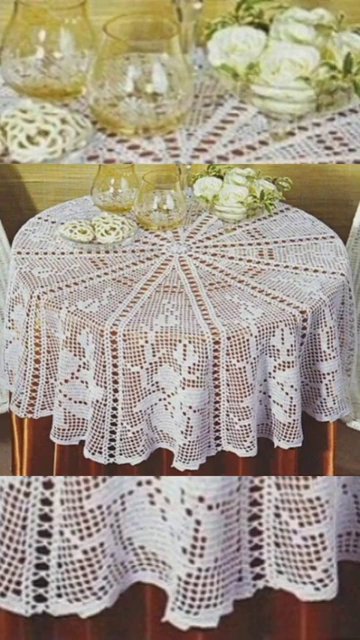
If you’re looking for something quick and satisfying, consider making a set of crochet dishcloths. They’re practical, use minimal yarn, and let you practice tension and stitch consistency. Plus, they make great gifts.
The Role of Materials in Your Experience
Your choice of yarn and tools can dramatically affect how much you enjoy a project. Working with a fiber that feels good in your hands makes the process smoother. I’ve found that natural fibers like cotton or blends with a soft hand are more forgiving for beginners and more enjoyable for experienced makers.
Don’t underestimate the power of a good hook, either. Ergonomic handles, smooth shafts, and the right size for your yarn can prevent hand fatigue and make your stitches flow more easily. It’s worth investing in a few quality tools if you plan to make this a regular hobby.
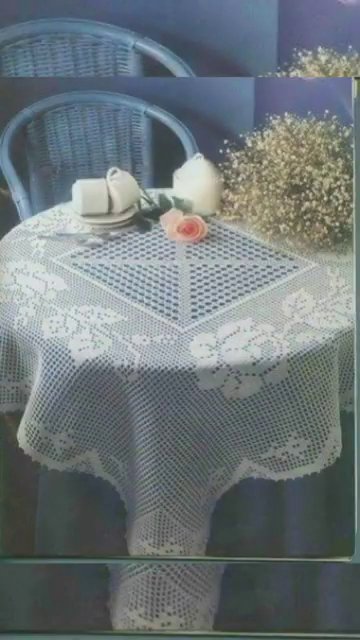
Color also plays a huge role in how we feel about a project. Bright, cheerful colors can lift your mood. Soft, muted tones create a calming effect. Pick yarns that speak to you, not just ones that match a pattern photo.
When Things Go Wrong
Every crocheter has experienced the dreaded mistake. A missed stitch. An accidental increase. A section that just doesn’t look right. It happens to everyone, no matter how experienced.
When it happens, take a breath. Put the project down if you need to. Come back to it with fresh eyes. Sometimes the mistake is minor and can be fudged. Other times, frogging is the only option. And that’s okay. Ripping out stitches isn’t failure — it’s part of the learning process.
If you’re working on a pattern you’ve never tried before, like a crochet plush frog or a more complex amigurumi, read through the entire pattern before you start. Understanding the flow of the instructions can save you from confusion later.
Making It Your Own
One of the best parts of crochet is the freedom to adapt. Patterns are guidelines, not prison cells. If you don’t like the color the designer used, change it. If you want a larger finished object, add more stitches. If a technique feels uncomfortable, find an alternative that works for you.
This is where your voice as a maker comes through. Two people can follow the exact same pattern and end up with completely different results. That’s not a flaw — it’s the point.
Experiment with modifications. Add a button for an eye instead of safety eyes. Use a different edging. Change the yarn weight. Every choice you make personalizes the piece.
Building a Creative Practice
Crochet doesn’t have to be a once-in-a-while activity. It can become a regular part of your life, a way to unwind after work, or a meditative practice. The key is to make it easy to pick up.
Keep a project bag ready with your current work, a hook, and a small pair of scissors. Store it somewhere visible, not buried in a closet. When you see it, you’ll be reminded to sit down and stitch for a few minutes.
Short sessions add up. Ten minutes a day while your coffee brews. Twenty minutes while you watch an episode of something. Before you know it, you’ve finished another project.
The Community Around the Craft
Crochet doesn’t have to be a solitary activity. There are vibrant communities online and in local groups where makers share their work, ask for help, and celebrate each other’s successes.
If you’re stuck on a pattern, someone else has probably been stuck on the same part. A quick search or a question in a forum can get you unstuck fast. And sharing your finished objects — even the imperfect ones — can inspire others to keep going.
There’s something special about connecting with people who understand the joy of a well-made stitch. It turns a solitary hobby into a shared experience.
Why We Keep Coming Back
At the end of the day, crochet is about more than yarn and hooks. It’s about creating something from nothing. It’s about patience, persistence, and the quiet satisfaction of making progress one stitch at a time.
The projects that mean the most aren’t always the most technically perfect. They’re the ones we made during a difficult time, or the ones we gifted to someone we love, or the ones that taught us something new.
So pick up your hook. Choose a yarn that makes you happy. Start something small if you need to. Take your time. Enjoy the process. You’ll love what you create — not because it’s flawless, but because you made it.