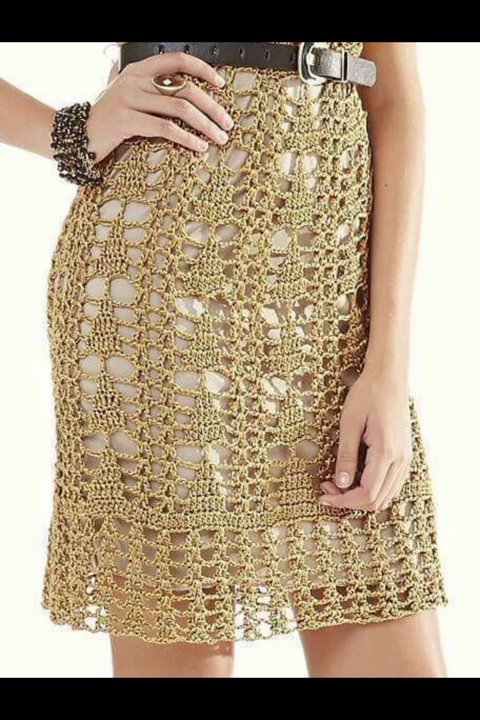
There’s something special about picking up a hook and turning a simple strand of yarn into something beautiful. Whether you’re a seasoned crocheter or just starting to explore the craft, finding fresh patterns that excite you is half the fun. I’ve spent time searching across blogs and patterns to bring you a collection of designs that genuinely stand out—simple, elegant, and even embroidered pieces that can work for gifts, home decor, or just treating yourself.
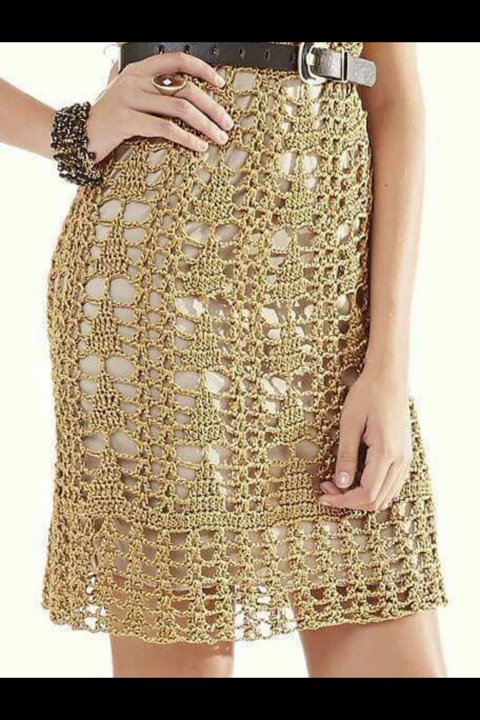
The beauty of crochet is how versatile it can be. You can whip up a delicate lace doily one day and a chunky winter scarf the next. The designs I’m sharing here cover a range of styles, so whether you lean toward minimalist elegance or love a bit of intricate detail, there’s something here for you.
Simple But Stunning: Patterns That Work for Beginners and Experts
Not every great project needs to be complicated. Some of the most eye-catching crochet pieces are built on straightforward stitches done well. Think clean lines, consistent tension, and a color palette that pops. If you’re new to the craft, starting with a simple pattern helps you build muscle memory without getting frustrated. For experienced makers, it’s a chance to relax and enjoy the rhythm.
One of my favorite simple patterns is a basic granny square with a twist—swap out the usual solid colors for a gradient yarn. The result looks way more complex than the effort required. It’s the kind of project you can take to the couch, work on while watching a show, and finish in a weekend.
If you’re unsure about holding your hook or yarn for that perfect tension, check out this guide on how to hold your crochet hook and yarn for perfect tension every time. It’s a game-changer for getting those clean stitches.
Elegant Designs: When You Want a Little Extra
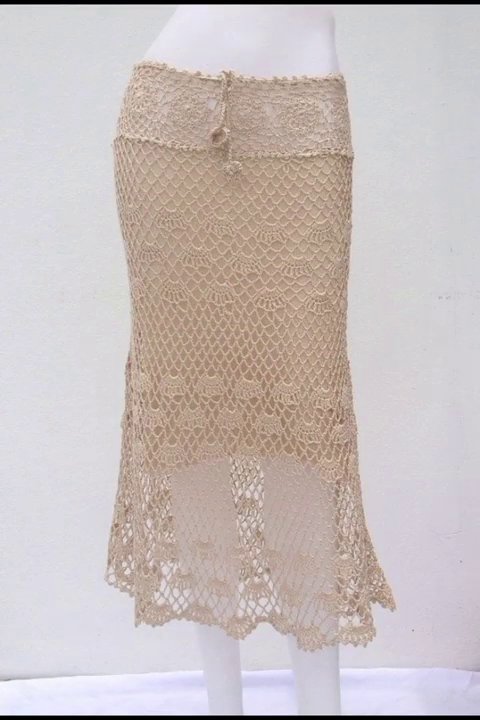
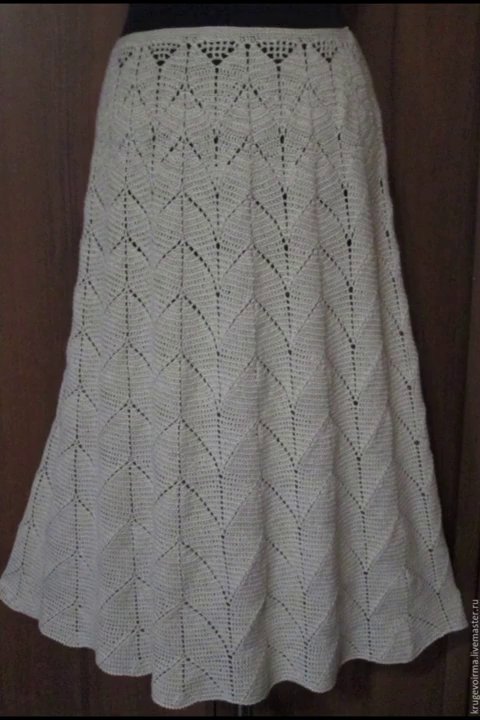
There are times when you want your crochet to feel a bit more refined. Maybe it’s a gift for a wedding, a special birthday, or just something that makes your home feel a little fancier. Elegant patterns often use lighter yarns, lacier stitches, or subtle color combinations.
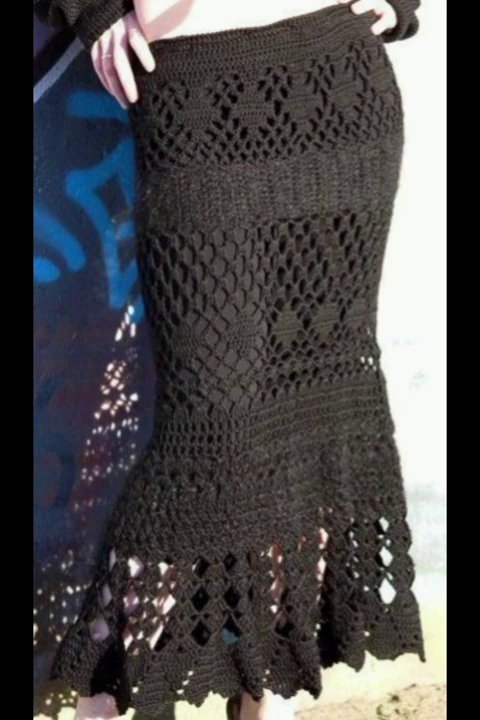
These designs aren’t necessarily harder—they just ask for a bit more patience. A shell stitch border or a pineapple lace motif can turn a plain piece into something that looks like it came from a boutique. I’ve found that using a cotton or bamboo blend yarn really elevates the final look. It drapes better and holds its shape.
Embroidered Crochet: Adding Personal Touches
Here’s where things get really interesting. Embroidered crochet combines two crafts into one. You crochet a base piece—maybe a simple tote bag, a cushion cover, or even a pair of slippers—and then add surface embroidery on top. Flowers, geometric patterns, initials… you name it.
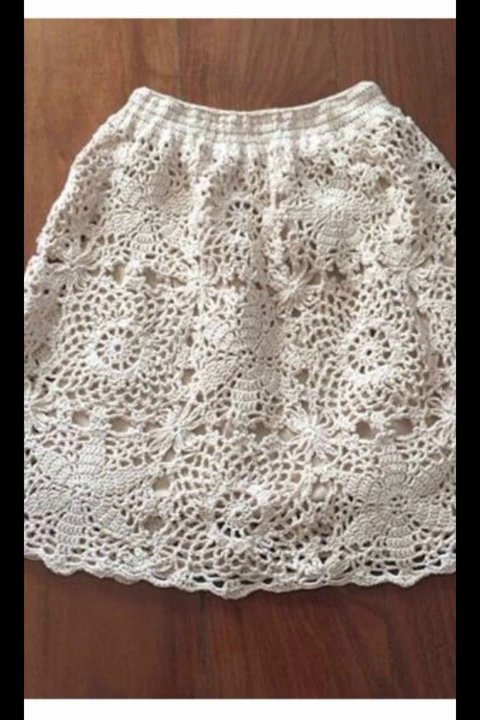
The trick is to keep your crochet stitches loose enough that you can easily pass a tapestry needle through them. I’ve made the mistake of crocheting too tightly and then struggling to embroider. Learn from me: leave a little give. Also, use embroidery floss or thin yarn for the details so they don’t overwhelm the base fabric.
How to Choose the Right Pattern for Your Skill Level
Picking a pattern that matches your current skill level makes the difference between a fun afternoon and a frustrating week. Here’s a quick way to think about it:
- Beginner: Stick to patterns that use only single crochet, double crochet, and chains. Think scarves, dishcloths, or simple blankets.
- Intermediate: You can handle increases, decreases, and basic lace. Hats, shawls, and lightweight sweaters are fair game.
- Advanced: Intricate lace, colorwork like fair isle, or complex shaping. Doilies, garments with fitted sleeves, and detailed amigurumi.
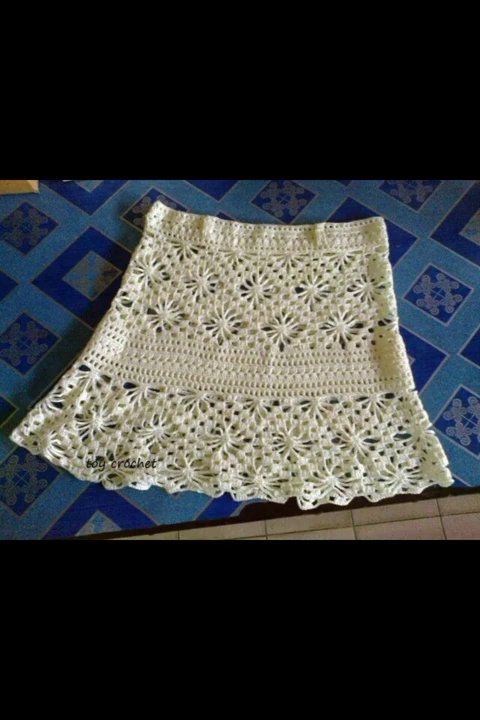
If you’re just getting into amigurumi or circular projects, learning how to start with a magic ring is essential. This guide on starting with a magic ring: crocheting your first amigurumi walks you through it step by step. Once you nail that technique, a whole world of stuffed animals and hats opens up.
Common Mistakes and How to Avoid Them
Even experienced crocheters mess up. It’s part of the process. But a few common pitfalls are easy to sidestep once you know about them.
- Tension problems: If your stitches are too tight, your fabric gets stiff and hard to work with. Too loose, and it looks sloppy. Practice on a swatch before starting your actual project.
- Counting errors: Losing count of stitches is the number one reason patterns go wrong. Use stitch markers every ten or twenty stitches, especially on long rows.
- Yarn choice matters: A pattern written for a lightweight yarn will look completely different in a bulky one. Check the recommended yarn weight and gauge before you buy.
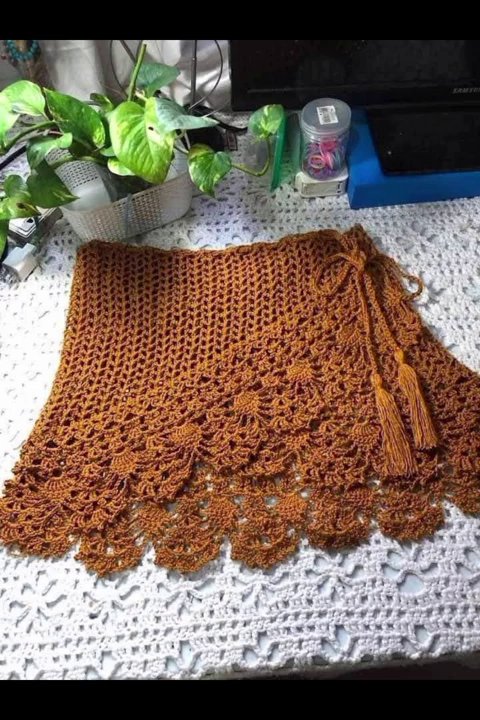
One thing I always tell beginners: don’t be afraid to rip it out and start over. It’s not wasted time—it’s practice. Every mistake teaches you something about how the yarn behaves and how the stitches interact.
Where to Find Inspiration and Keep Growing
The crochet community is huge and incredibly generous. People share patterns, video tutorials, and tips all the time. I’ve found some of my favorite designs just by browsing blogs or watching short clips online. If you see a design you love, try it. Even if it’s a little above your current level, you might surprise yourself.
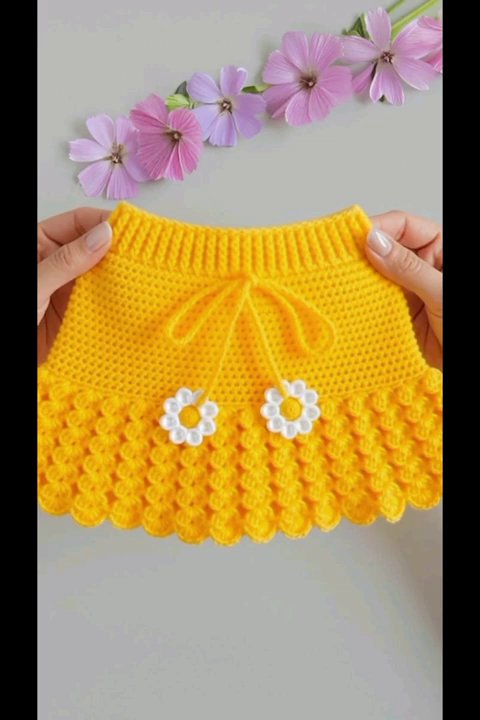
And don’t forget to share your own work. Posting your finished pieces—even the imperfect ones—helps others learn and gives you a record of your progress. I love seeing what other makers create. It’s one of the most rewarding parts of this craft.
If you’re working on a project that uses double crochet stitches, this double stitch crochet: a complete walkthrough for beginners is a great refresher. It’s one of the most common stitches, and mastering it opens up tons of patterns.
Final Thoughts
Crochet is one of those rare hobbies that gives you both relaxation and a tangible result. You get to unplug from screens, work with your hands, and end up with something you can use or give. Whether you’re making a simple dishcloth or an elaborate embroidered shawl, the process itself is the reward.
So pick a pattern that speaks to you, grab your hook, and start. The only wrong move is not trying. Happy stitching, and I’d love to hear what you’re working on—drop your favorite design or your country in the comments. It’s always nice to know where in the world the yarn is flying.